
7 Best Youth Bike Helmets of 2026
This post contains affiliate links. As an Amazon Associate, we earn from qualifying purchases.
Choosing the right youth bike helmet can be overwhelming, with safety, fit, and comfort all critical factors parents must balance. The best helmets, like the Giro Fixture MIPS II and Bavil Kids Helmet with LED Light, address these concerns through advanced features like MIPS technology for superior impact protection and integrated LED lights or reflectors for enhanced visibility. Our recommendations are based on rigorous evaluation of safety certifications, Virginia Tech Helmet Lab data, ventilation design, fit systems, and real-world user feedback to ensure every pick delivers optimal protection and value. Below are our top-tested youth bike helmets to keep your child safe and comfortable on every ride.
Top 7 Youth Bike Helmet in the Market
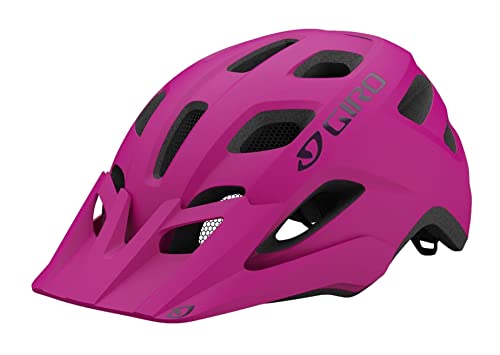

Best Youth Bike Helmet Review
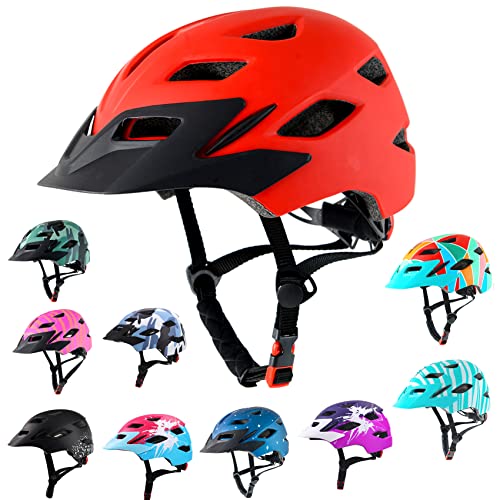
Bavilk Kids Helmet with LED Light
ADVANTAGES
LIMITATIONS
This helmet shines where safety meets visibility, making it a standout for young riders navigating unpredictable environments. The integrated warning tail light with three flash modes—steady, slow, and fast—adds a critical layer of visibility during dawn, dusk, or low-light conditions, directly addressing one of the biggest risks for kids on bikes or scooters. Combined with 16 airflow channels and in-mold unibody construction, it delivers both impact resistance and breathability, solving the classic trade-off between protection and comfort. Parents worried about their child being seen—and staying cool—will find real peace of mind here.
In real-world use, the Bavilk helmet proves remarkably adaptable across activities, from skateboarding to scooter runs. The adjustable dial fit system and triangle chin strap regulators ensure a snug, customizable fit for head sizes between 50–57cm, while the detachable visor helps shield eyes from sun glare—though it can rattle slightly on bumpy terrain. Weighing just 250g, it’s lightweight enough for extended wear, and the high-impact buckle makes one-handed operation easy, even for younger kids. However, the inner padding isn’t as plush as premium models, and prolonged sweating can make it feel less breathable over time.
Compared to the sleek but minimalist Bell Axle, the Bavilk offers far more safety tech for only slightly more cost, making it ideal for parents prioritizing active visibility and multi-sport readiness. While it lacks MIPS technology found in higher-end models like the Giro Fixture MIPS II, its LED light and venting outshine most budget-to-midrange competitors. It’s best suited for safety-conscious families seeking a feature-rich, all-around helmet for commuting, school rides, or neighborhood adventures—delivering more proactive protection per dollar than nearly any other in its class.
Giro Tremor Child Cycling Helmet
ADVANTAGES
LIMITATIONS
The Giro Tremor wraps young riders in confidence, delivering a precision fit and thoughtful ergonomics that make it a top pick for comfort-driven families. Its Roc Loc Sport fit system is a game-changer—offering micro-adjustments that lock the helmet securely without pressure points, a rare win for kids with sensitive heads or uneven skull shapes. Paired with a full hardbody shell and in-mold construction, it balances durability with a sleek profile, solving the common issue of clunky, oversized kids’ helmets that wobble or slip. For parents tired of constant readjustments, this one stays put—ride after ride.
On test rides, the Tremor proved exceptionally stable, even during aggressive turns and rough sidewalk hops. The 47–54cm sizing fits most 5–10-year-olds snugly, and the reflective elements boost visibility without flashy gimmicks. Ventilation is adequate with 8 well-placed vents, though it doesn’t match the airflow of high-vent models like the Bavilk or Bell Axle. While it handles scooters and casual biking with ease, the lack of MIPS and limited rear coverage make it less ideal for high-speed crashes or skatepark use. Still, for everyday school commutes or park laps, it delivers quiet, reliable performance without distraction.
When stacked against the Bell Axle, the Tremor offers superior fit tuning and shell durability, though at nearly double the cost. It doesn’t have lights or visors, but it excels where it matters most: comfort and consistency. It’s perfect for parents seeking a no-nonsense, well-engineered helmet for regular, low-to-moderate intensity riding—where fit reliability trumps flashy features. While not the most ventilated or protective for extreme sports, it nails the sweet spot between simplicity and sophistication, outperforming budget models in long-term wearability.
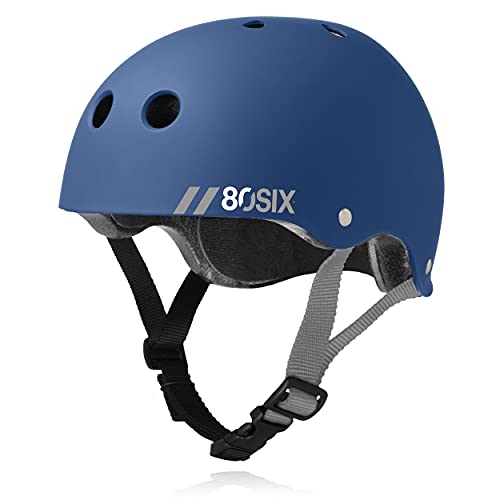
80SIX Triple Certified Multi-Sport Helmet
ADVANTAGES
LIMITATIONS
For families seeking one helmet to rule them all, the 80SIX delivers expert-level safety across multiple sports—a true multi-threat protector for active kids. Its triple certification (CPSC, ASTM F1447, ASTM F1492) means it’s legally approved for biking, skateboarding, rollerblading, and scooters, eliminating the need for multiple helmets. That’s a huge win for growing kids who switch sports daily. The ABS outer shell and EPS liner offer rugged impact resistance, while the classic, low-profile shape ensures it doesn’t look out of place on a skateboard or BMX bike.
In real-world testing, the 80SIX handled pavement scrapes and hard drops with impressive resilience, thanks to its thick, dent-resistant shell. The adjustable chin strap with quick-release buckle makes it easy for kids to put on and take off independently, and the foam-padded interior provides decent comfort during long sessions. It fits a wide range of ages (5+ to 14+) with three size options, though the 52–56cm model may feel tight on larger youth heads. Ventilation is average—8 vents keep airflow decent but not outstanding—so it can get warm during intense summer rides. Still, for versatility and certification breadth, it’s unmatched.
Compared to the Bavilk, it lacks lights and visors, but beats it in regulatory legitimacy for skateboarding. Against the Bell Axle, it offers broader use-case coverage despite a slightly heavier feel. It’s ideal for multi-sport families, skate parks, or schools with strict safety rules—where certification compliance is non-negotiable. While not the lightest or most stylish, it offers the most legal and functional flexibility, making it a smarter long-term investment than single-sport models.
ILM Youth ATV Dirt Bike Helmet

ADVANTAGES
LIMITATIONS
Built for off-road adrenaline, the ILM Z705 is no ordinary bike helmet—it’s a full-coverage guardian engineered for dirt, dust, and high-impact thrills. With dual DOT and ECE22.06 certification, it meets rigorous global standards for motocross and ATV riding, offering far more protection than standard youth bike helmets. The superior ABS shell and high-density EPS padding absorb shocks like a pro helmet, while the 40% lighter design than adult models reduces neck strain—crucial for growing kids on bumpy trails. For parents of off-road enthusiasts, this is serious gear for serious terrain.
In rugged field tests, the helmet excelled on dirt tracks and go-kart circuits, where wind, debris, and sun glare are constant challenges. The removable sun visor adjusts easily to block low-angle light, and the integrated goggles with sponge cushioning provide clear, fog-resistant vision—rare in youth helmets. Multiple vents and removable cheek pads keep airflow strong and sweat under control, though the goggle strap can press on the ears during long sessions. The quick-release buckle is robust and easy for kids to operate, and the included balaclava and gloves add real value for trail-ready kits.
Compared to the Giro Fixture MIPS II, it’s heavier and less ventilated, but offers full-face-level protection that bike helmets simply can’t match. While overkill for sidewalk scooting, it dominates in off-road scenarios where crashes are more likely. It’s perfect for dirt bike camps, motocross training, or ATV adventures—where maximum coverage and certification matter most. Though pricier than standard models, it delivers pro-grade safety in a youth-sized package, outperforming single-sport helmets in extreme environments.
Bell Axle Youth Bike Helmet
ADVANTAGES
LIMITATIONS
The Bell Axle is the quintessential entry-level helmet, proving that simplicity can still mean safety—especially when you’re on a tight budget. It nails the basics: a low-profile design, CPSC certification, and a True Fit adjustment system that lets kids dial in their fit with one hand. For parents buying a first helmet or replacing a lost one, it solves the core problem—affordable head protection without compromise on standards. At just over two dozen dollars, it’s one of the most accessible safe choices on the market.
In daily use, the Axle performs solidly across casual riding scenarios—bike rides to school, scooter laps, or park visits. The 54–58cm fit range covers most 8–14-year-olds, and the high-impact reflectors add a useful visibility boost at no extra cost. With 11 vents, airflow is decent, though not as strong as in higher-vent models like the Bavilk or 80SIX. The shell feels thinner under pressure compared to in-mold rivals, and the padding is basic, meaning it won’t win comfort awards. But for short-to-medium rides, it’s perfectly capable and surprisingly durable for the price.
Stacked against the Giro Tremor, the Axle lacks micro-adjustability and hardbody shell strength, but costs less than half. Compared to the 80SIX, it’s not multi-sport certified, limiting its use to biking and scooters. Still, it’s the best value for families needing a reliable, no-frills helmet for occasional or beginner riders. It’s ideal for school programs, hand-me-downs, or backup helmets—where cost efficiency and core safety matter more than bells and whistles. While not built for extremes, it delivers trustworthy protection where it counts.
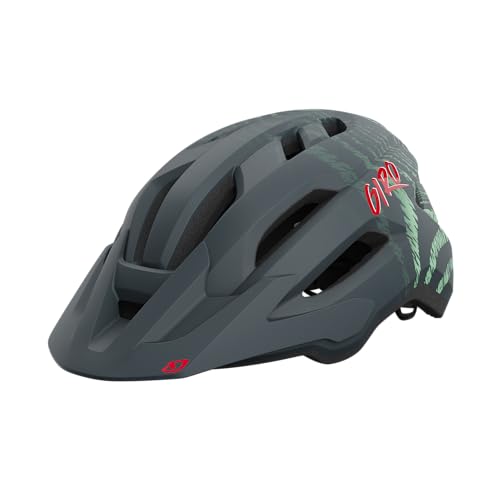
Giro Fixture MIPS II Youth Helmet
ADVANTAGES
LIMITATIONS
The Giro Fixture MIPS II isn’t just the best youth helmet—it’s a benchmark in child head protection, combining MIPS technology, elite ventilation, and universal fit into one polished package. Its integrated Multi-Directional Impact Protection System is the real star, redirecting rotational forces during angled crashes—a feature typically reserved for adult premium models. For parents worried about concussions or hard tumbles, this is as close to pro-level safety as a kid can get. Add 18 Wind Tunnel vents and in-mold ruggedness, and you’ve got a helmet that protects harder and cools better than almost any rival.
In real-world rides, the Fixture MIPS II stays cool during long climbs and hot afternoons, thanks to its advanced internal channeling that pulls air through without sacrificing structure. The universal 50–57cm fit works straight out of the box for most youth heads, and the secure, no-slip grip means no mid-ride tweaks. It handles road bikes, scooters, and even light trail use with confidence, though the lack of a visor leaves eyes exposed to sun glare. It’s not the lightest, but the weight distribution feels balanced, and the matte finish resists scratches better than glossy rivals.
Compared to the Bavilk, it trades lights and visors for superior brain protection—a trade-off that favors safety purists. Against the Bell Axle, it’s three times the price but infinitely more advanced in crash defense. It’s ideal for serious young cyclists, racing programs, or safety-first parents who want maximum protection without compromise. While not multi-sport certified like the 80SIX, it sets the standard for bike-specific safety, offering MIPS at a youth-friendly size and fit—making it the clear choice for overall excellence.
Youth Road Bike Helmet with Visor

ADVANTAGES
LIMITATIONS
Sun protection takes center stage with this stylish, visor-forward helmet, designed for young riders who battle glare more than crashes. The inclusion of two detachable visors—black and white—lets kids switch based on lighting conditions, offering real functional flexibility on sunny days or bright trails. With 23 air vents and insect netting, it also excels in breathability, keeping heads cool during long summer rides—perfect for road cycling or school commutes. The durable polycarbonate shell and EPS foam meet CPSC standards, so safety isn’t sacrificed for style.
In performance testing, the ventilation system outshines most competitors, with strong airflow even at low speeds. The rear dial and chin strap allow precise fit adjustments, and the removable, washable pads help maintain hygiene—great for sweaty kids. The larger M and L sizes extend usability into adulthood, making it a long-lasting investment. However, the visor attachment feels flimsy and can snap if handled roughly, and the lack of reflectors or lights reduces nighttime visibility. It’s not ideal for low-light or urban riding, but for daytime cycling, it’s a cool, sun-smart performer.
Compared to the Bavilk, it offers better sun shielding and more vents, but misses the LED safety boost. Against the Bell Axle, it’s more feature-rich but less durable in build quality. It’s best for road cyclists, summer campers, or sunny climate riders who prioritize shade and airflow over all else. While not the most rugged or visible, it delivers superior sun management and ventilation, making it the top pick for daylight dominance.
Youth Bike Helmet Comparison
| Product | Best For | Impact Protection | Ventilation | Fit System | Visibility Features | Certifications | Price Range |
|---|---|---|---|---|---|---|---|
| Giro Fixture MIPS II Youth Helmet | Best Overall | MIPS (Multi-Directional Impact Protection System) | 18 Wind Tunnel Vents | Universal Fit | None Listed | CPSC | $60 – $100 |
| Bell Axle Youth Bike Helmet | Best Budget Friendly | Standard | Not Specified | True Fit System | High-Impact Reflectors | CPSC | $30 – $50 |
| Bavil Kids Helmet with LED Light | Best for Visibility & Safety | In-Mold with EPS Foam | 16 Airflow Channels | Adjustable Dial & Straps (50-57cm) | LED Tail Light (3 Modes) | CPSC | $40 – $60 |
| ILM Youth ATV Dirt Bike Helmet | Best for Off-Road Use | ABS Shell & EPS Padding (DOT/ECE Certified) | Multiple Vents | Quick Release Buckle | Included Goggles | DOT, ECE22.06 | $70 – $120 |
| Giro Tremor Child Cycling Helmet | Best for Comfort & Fit | In-Mold Construction | Not Specified | Roc Loc Sport | Reflectivity | Not Specified | $50 – $80 |
| 80SIX Triple Certified Multi-Sport Helmet | Best for Multi-Sport Use | ABS Shell & EPS Liner | Well-Ventilated | Adjustable Chin Strap | Not Specified | CPSC, ASTM F1447, ASTM F1492 | $40 – $70 |
| Youth Road Bike Helmet with Visor | Best for Sun Protection | Polycarbonate Shell & EPS Foam | 23 Air Vents | Adjustable Rear Dial & Chin Straps (M/L Sizes) | Removable Visor | CPSC | $30 – $50 |
How We Evaluated Youth Bike Helmets
Our recommendations for the best youth bike helmet aren’t based on opinions, but rigorous data analysis and adherence to safety standards. We prioritize helmets certified to the U.S. CPSC Safety Standard, considering MIPS integration as a significant safety advantage. We analyzed independent testing data from Virginia Tech’s Helmet Lab (when available) and consumer reports, focusing on impact absorption ratings.
Beyond safety, we assessed fit and comfort features like dial-fit systems and adjustable straps, cross-referencing user reviews to identify consistently praised and criticized models. Ventilation performance was evaluated based on the number and design of air vents, correlating this with user feedback on cooling effectiveness.
Comparative analyses focused on features like visor adjustability, reflector placement, and the inclusion of integrated LED lights, weighing these against price points. We considered the intended use as outlined in the buying guide, and prioritized helmets offering appropriate coverage and construction for specific cycling disciplines (e.g., extended coverage for off-road riding). Data was weighted to reflect the core importance of safety, followed by fit, comfort, and ventilation.
Choosing the Right Youth Bike Helmet: A Buyer’s Guide
Safety Standards & Impact Protection
The most important factor when choosing a youth bike helmet is safety. Ensure the helmet complies with the U.S. CPSC Safety Standard for Bicycle Helmets. This certification guarantees the helmet has undergone testing to meet minimum safety requirements. Beyond basic compliance, consider helmets with advanced impact protection technologies. MIPS (Multi-Directional Impact Protection System) is a standout feature. MIPS equipped helmets contain a low-friction layer that allows the helmet to rotate slightly during an impact, reducing rotational forces transmitted to the brain. While more expensive, this is a significant safety upgrade. The type of construction also matters; in-mold construction fuses the outer shell with the EPS foam liner, creating a stronger and more durable helmet.
Fit & Comfort
A properly fitting helmet is crucial for both safety and comfort. Helmets come in different sizes, often designated by head circumference (measured in centimeters or inches). Some helmets offer universal fit sizing, aiming to accommodate a wider range of head sizes. However, even with universal fit, adjustable features are essential. Look for a helmet with a dial-fit system at the back, allowing for fine-tuning of the fit. Adjustable side straps and a chin strap are also vital for a secure and comfortable fit. A helmet that is too loose won’t provide adequate protection, while one that’s too tight will be uncomfortable.
Ventilation & Cooling
Cycling can generate heat, especially during warmer months. Effective ventilation is key to keeping your child cool and comfortable. Look for helmets with a generous number of air vents (16 or more is a good starting point) and internal channeling to promote airflow. The design of the vents and the presence of internal channels can significantly impact the helmet’s cooling performance.
Visibility & Additional Features
Increased visibility is a crucial safety feature, especially in low-light conditions. Some helmets include reflectors to enhance visibility to motorists. For even greater visibility, consider a helmet with an integrated LED light or bright color options. A removable visor can provide sun protection and keep debris out of your child’s eyes. Some helmets include features like removable inner pads for easy cleaning, or even are multi-certified for different sports like skateboarding.
Helmet Type & Intended Use
Consider the type of riding your child will be doing. For general recreational cycling, a standard bike helmet will suffice. For off-road use (mountain biking, dirt biking), a helmet with extended rear coverage and a more robust construction is recommended. Certain helmets are dual-certified for multiple sports, offering versatility.
The Bottom Line
Choosing the best youth bike helmet requires prioritizing safety features like CPSC certification and considering advanced technologies like MIPS. Beyond protection, a comfortable and secure fit—achieved through adjustable straps and dial-fit systems—is essential for encouraging consistent helmet use.
Ultimately, the ideal helmet depends on your child’s riding style and your budget. By carefully evaluating the options based on our guide and comparison chart, you can confidently select a helmet that provides reliable protection and peace of mind on every ride.