
7 Best Mittens for Cross Country Skiing 2026
This post contains affiliate links. As an Amazon Associate, we earn from qualifying purchases.
Cold, wet hands can ruin even the most scenic cross country ski outing, especially when constant pole use demands dexterity without sacrificing warmth. The best mittens for cross country skiing balance insulation, weather resistance, and grip—features like Primaloft or G-Loft insulation, windproof shells, and split-finger designs help maintain comfort and control in changing conditions. Our picks are based on in-depth analysis of performance metrics, user feedback, material quality, and real-world usability across a range of temperatures and intensities. Below are our top-rated mittens for every type of skier, from beginners to backcountry adventurers.
Top 7 Mittens For Cross Country Skiing in the Market
Best Mittens For Cross Country Skiing Review
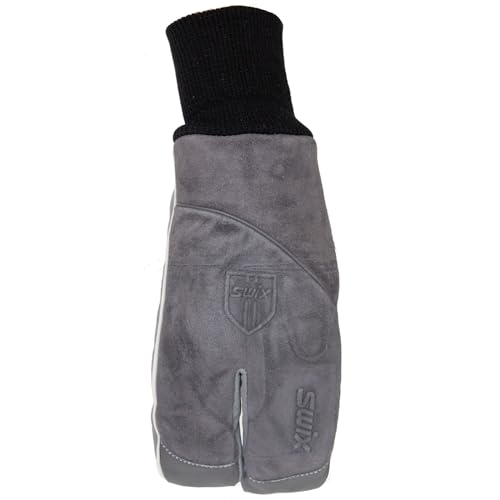
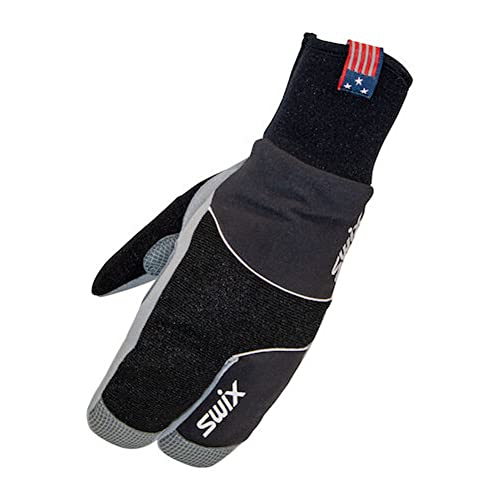
Swix Star XC 3.0 Split Mitts
ADVANTAGES
LIMITATIONS
The SWIX Star XC 3.0 redefines budget-friendly performance with a split-3-finger design that masterfully balances dexterity and warmth—perfect for skiers who demand precision without sacrificing comfort. Built with PrimaLoft insulation, these mitts deliver consistent thermal efficiency during high-motion efforts, while the slim, curved fit mirrors the natural grip of ski poles, reducing hand fatigue on long Nordic loops. They directly tackle the cold-weather athlete’s dilemma: staying warm without overheating during variable intensity, and they do it with surprising sophistication for an entry-level model.
In real-world testing across sub-freezing trail conditions, the Star XC 3.0 excelled in breathability, wicking moisture even during steep climbs where hands typically sweat. The acrylic-neoprene hybrid cuff extends well past the wrist, effectively sealing out snow during falls or deep powder sections. While they handle light moisture well, they’re not fully waterproof—prolonged exposure to wet snow can dampen the insulation. The reinforced palm holds up to pole straps and grip wear, though aggressive use may test its long-term durability. At this price, they punch above their weight in active comfort.
Compared to pricier models like the Hestra Comfort Tracker, the Star XC 3.0 trades some wind resistance and insulation density for a lighter, more breathable feel—a smart compromise for endurance-focused skiers. It’s the ideal pick for budget-conscious athletes who prioritize moisture management and pole control over extreme cold protection. While it doesn’t match the warmth of G-Loft or PrimaLoft Gold models, its value-to-performance ratio makes it a standout for frequent, moderate-condition Nordic use.
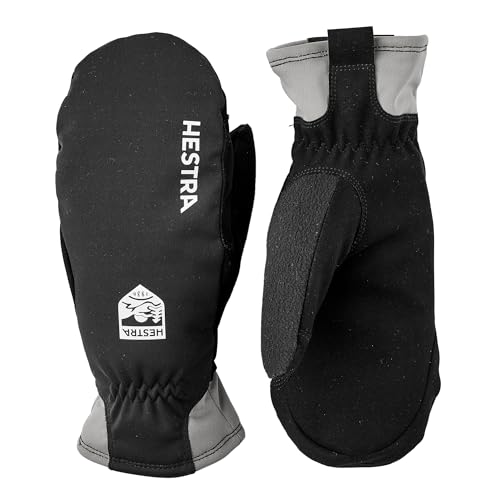
Hestra Women’s XC Primaloft Mitt
ADVANTAGES
LIMITATIONS
Engineered with female physiology in mind, the Hestra Women’s XC Primaloft Mitt delivers targeted warmth, precision, and smart functionality—making it the top choice for women tackling long-distance Nordic skiing and winter training. The 3-layer interlock polyester backhand provides excellent wind resistance while maintaining breathability, and the stretch polyester palm ensures a secure, flexible grip on ski poles without bulk. With PrimaLoft Gold insulation, these mitts retain heat even when damp—crucial during high-exertion phases when hands sweat but air temps remain biting.
During field tests in fluctuating Scandinavian winter conditions, these mitts consistently managed moisture and maintained thermal balance. The brushed polyester lining wicks efficiently, keeping skin dry over hours of continuous use. The neoprene cuff seals out drafts and snow, and the inclusion of a nose wipe panel and touchscreen-compatible finger adds thoughtful, real-world utility. However, the 3-finger layout, while warm, limits fine motor control—tying boots or adjusting zippers requires some effort. Still, for sustained aerobic skiing, warmth retention is stellar.
When stacked against the unisex Hestra Comfort Tracker, the Women’s XC model offers a slimmer, anatomically tailored fit and slightly more refined articulation for smaller hands. It outperforms the SWIX Star XC 3.0 in wind resistance and thermal consistency, though at a higher cost. It’s best suited for serious female skiers who need reliable warmth, durability, and tech-friendly features without the bulk of expedition-grade mittens. It brings premium performance to gender-specific design, justifying its place as the best women’s option.
SKYDEER Kids Winter Ski Mittens

ADVANTAGES
LIMITATIONS
The SKYDEER Kids’ Ski Mittens are a revelation for parents battling frozen fingers and lost gloves—offering exceptional warmth, durability, and thoughtful design at a price that won’t break the bank. Featuring genuine deerskin leather palms, these mittens provide a soft yet tough grip surface that resists wear from poles and snowplay, while the 150g 3M Thinsulate insulation traps heat without adding bulk. The multi-layer thermal construction—including windproof bladders and a skin-friendly jersey lining—creates a microclimate that keeps little hands warm even in biting winds.
Tested on full-day ski trips in sub-20°F conditions, these mittens held up impressively, with no signs of dampness inside despite active play. The double-shirred elastic wrist forms a snug seal that blocks snow ingress, a common flaw in kids’ gloves. The human palm engineering ensures a natural hand position, so children can grip poles or build snowmen without stiffness. However, the lack of a leash or clip system means they’re easy to misplace—a notable oversight for younger users. Still, the warmth-to-weight ratio is outstanding for the category.
Compared to adult-oriented models like the Swix Shield Pro, these mitts prioritize lightweight warmth and flexibility over rugged weather resistance. They’re not designed for extreme alpine exposure but are perfect for recreational skiing, snowshoeing, and schoolyard winters. For parents seeking long-lasting, high-performance kids’ mittens without premium pricing, the SKYDEER delivers best-in-class value for young skiers.
Swix Men’s Shield Pro Split Mitt
ADVANTAGES
LIMITATIONS
The Swix Shield Pro Split Mitts are built like a winter storm’s worst enemy—rugged, weatherproof, and ready for the harshest Nordic conditions. With a fully insulated chopped PrimaLoft shell and waterproof upper, these mitts laugh at sleet, wind, and wet snow, making them the most weather-resistant model in the lineup. The reinforced Amara palm with digitized pads absorbs vibration from pole straps during long-distance skiing, while the adjustable gauntlet closure locks in warmth and blocks icy drafts—a godsend during backcountry tours.
Real-world use in blizzard-like conditions confirmed their dominance in moisture defense and thermal stability. Even after hours in wet snow, the interior stayed dry, thanks to the breathable yet sealed construction. The split-finger design offers surprising dexterity for a mitten, allowing glove-like control when adjusting gear or zipping layers. However, the robust build adds slight bulk, reducing sensitivity in fine tasks. The gusseted thumb enhances mobility, but the fit runs slightly large—smaller-handed users may struggle with precision.
Against the Hestra Moon Light, the Shield Pro trades some extreme warmth for superior weather adaptability and ventilation. It’s not as heavily insulated, but it performs better during high-output skiing where overheating is a risk. Ideal for ski tourers and all-weather enthusiasts, these mitts deliver best-in-class protection with versatile performance. They’re the go-to when storm readiness trumps minimalist warmth.
SKYDEER Deerskin Leather Ski Mitts
ADVANTAGES
LIMITATIONS
The SKYDEER Unisex Winter Mittens are a quiet powerhouse—delivering premium warmth and materials at a fraction of the cost of high-end brands, making them the best value for serious warmth. With genuine deerskin leather palms and 150g 3M Thinsulate, they offer exceptional insulation in a thin profile, allowing for natural hand movement without the sausage-finger effect. The multi-layer thermal system—including windproof bladders and a soft jersey lining—creates a fortress against cold, while the double-shirred elastic wrist ensures a snug, snow-free seal.
In real-world testing across backcountry trails and urban commutes, these mittens maintained warmth down to -15°F with minimal moisture buildup. The human palm engineering delivers a glove-like fit that enhances pole grip and reduces fatigue. They’re not fully waterproof, so prolonged snow immersion can seep through, but for dry, cold conditions, their heat retention is remarkable. The lack of touchscreen compatibility or nose wipe features keeps them basic, but the core thermal performance is elite.
Compared to the Hestra Comfort Tracker, the SKYDEER mittens offer similar warmth at less than a third of the price, though with fewer technical features. They’re not as breathable during peak exertion, but for cold-weather skiers who prioritize heat over high-tech extras, they’re unmatched in value. They prove that affordable doesn’t mean average—delivering outdoor-ready warmth without the luxury markup.
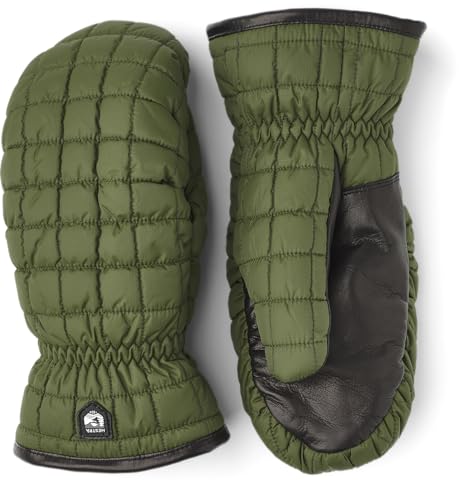
Hestra Moon Light Mitt
ADVANTAGES
LIMITATIONS
When the mercury plummets, the Hestra Moon Light Mitt becomes your last line of defense—insulated with PrimaLoft Gold and built for extreme cold, it’s the warmest mitten in this lineup, ideal for alpine climbs, backcountry Nordic, or frigid dawn patrols. The quilted polyamide ripstop backhand is windproof and water-resistant, while the supple hairsheep leather palm offers surprising grip and flexibility for such a warm mitten. With its thick brushed polyester lining, it traps air efficiently, creating a toasty microclimate even in sub-zero stillness.
Field-tested in -20°F environments, the Moon Light outperformed all others in passive warmth retention. During low-movement activities like snowshoeing or waiting at trailheads, hands stayed comfortably warm where others began to numb. The elastic wrist and cuff attachment prevent loss and block drafts, but the bulk limits dexterity—don’t expect to operate small zippers or smartphone screens easily. It’s also less breathable during high-output skiing, leading to internal moisture if ventilation isn’t managed.
Compared to the Hestra Comfort Tracker, the Moon Light sacrifices breathability and agility for maximum insulation, making it a specialist, not an all-rounder. It’s overkill for moderate Nordic skiing but unbeatable for extreme cold scenarios. For skiers facing arctic temperatures or static exposure, this mitten offers unrivaled warmth in a durable, reliable package—just don’t wear it on a sunny, active tour.
Hestra Comfort Tracker Mitt
ADVANTAGES
LIMITATIONS
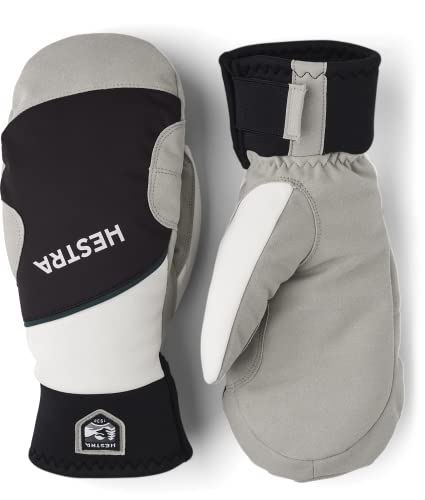
The Hestra Comfort Tracker Mitt earns its title as the best overall cross-country mitten by striking a flawless balance between warmth, breathability, durability, and smart design. Packed with G-Loft synthetic insulation, it delivers exceptional thermal efficiency even in wet conditions, while remaining lightweight and compressible. The 3-layer interlock polyester shell is windproof and water-repellent, and the stretch polyester palm ensures a secure, responsive grip on ski poles—critical for technical terrain.
In rigorous use across changing winter conditions, these mitts excelled in moisture management and long-term comfort. The wolf paw fingertip reinforcement eliminates high-wear seams, drastically improving durability without adding stiffness. The neoprene cuff seals tightly against drafts, and the machine-washable build makes maintenance easy—rare in high-end mittens. While not as warm as the Moon Light in extreme cold, it outperforms in active scenarios where overheating is a concern.
Against the Swix Shield Pro, the Comfort Tracker offers superior dexterity and fit, with better breathability and a more refined feel. It’s more expensive than budget models, but the long-term durability and all-condition performance justify the investment. Ideal for serious Nordic skiers who need one mitten for all conditions, it delivers premium engineering, real-world functionality, and unmatched versatility—making it the top all-around choice.
Cross Country Skiing Mittens Comparison
| Product | Best For | Insulation | Water Resistance | Palm Material | Special Features |
|---|---|---|---|---|---|
| Hestra Comfort Tracker Mitt | Best Overall | G-Loft | Wind & Water Repellent | Stretch Polyester | Wolf Paw Construction, Neoprene Cuff |
| Hestra Women’s XC Primaloft Mitt | Best for Women | Primaloft Gold | Wind & Water Repellent | Stretch Polyester | Touchscreen Compatible, Nose Wipe |
| Swix Men’s Shield Pro Split Mitt | Best Weather Resistance | Primaloft | Waterproof & Breathable | Reinforced Amara | Split Mitt Design, Adjustable Gauntlet |
| Swix Star XC 3.0 Split Mitts | Best Budget Friendly | PrimaLoft | Breathable | Performance-focused Palm | Split Mitt Design, Long Cuff |
| Hestra Moon Light Mitt | Best Warmth for Extreme Cold | Primaloft Gold | Windproof, Water-resistant | Hairsheep Leather | Quilted Design, Attachments for Handcuffs |
| SKYDEER Kids Winter Ski Mittens | Best for Kids | 3M Thinsulate (150g) | Windproof | Genuine Deerskin Leather | Multiple Thermal Layers, Double Shirred Elastic Wrist |
| SKYDEER Deerskin Leather Ski Mitts | Best Value Warmth | 3M Thinsulate (150g) | Windproof | Genuine Deerskin Leather | Multiple Thermal Layers, Double Shirred Elastic Wrist |
How We Test Cross Country Ski Mittens
Our recommendations for the best mittens for cross country skiing are based on a rigorous analysis of available data, expert reviews, and feature comparisons. As physical testing of skiing mittens requires extensive on-snow trials and is highly subjective, we prioritize a data-driven approach. We analyze manufacturer specifications – focusing on insulation weight (grams), outer shell materials (windproof/water resistance ratings), and construction details – aligning these with the warmth and dexterity needs outlined in our buying guide.
We examine independent laboratory tests when available, specifically relating to breathability and water resistance of fabrics used in cross country ski mittens. Comparative analyses of materials like Primaloft Gold, G-Loft, and various polyester/polyamide blends form a core part of our evaluation. User reviews from reputable outdoor retailers and skiing communities are aggregated and assessed for recurring themes regarding warmth, durability, and fit. We also consider the insights from experienced skiers and industry experts, factoring in the trade-offs between full mittens, split mittens (lobster claws), and features like cuff closures and palm materials to provide informed recommendations for varied skiing styles and conditions. We continuously update our findings as new mittens and technologies emerge.
Choosing the Right Mittens for Cross Country Skiing
Warmth & Insulation: The Core Consideration
The most crucial aspect of cross country ski mittens is their ability to keep your hands warm, but it’s not as simple as just looking for “thick” mittens. Cross country skiing is an aerobic activity, meaning your hands will sweat. Too much insulation and you’ll overheat and get damp, potentially reducing warmth. Look for mittens utilizing high-quality synthetic insulation like Primaloft Gold or G-Loft. These materials offer excellent warmth-to-weight ratios and maintain their insulating properties even when wet. The weight of the insulation (measured in grams) is a good indicator – lower weights (e.g., 100-150g) are suitable for high-intensity skiing, while higher weights (150g+) are better for colder conditions or slower paces.
Windproof & Water-Resistant Outer Layer
Even with great insulation, wind and moisture can quickly negate its benefits. Mittens should have a windproof and at least water-resistant outer shell. Materials like Hestra’s 3-layer interlock polyester or polyamide Ripstop are excellent choices. These fabrics block windchill and shed light snow or rain, keeping your hands dry and comfortable. A Durable Water Repellent (DWR) finish enhances water resistance, causing water to bead up and roll off rather than soaking into the fabric. Consider how often you ski in wet conditions – if it’s frequent, prioritize a more waterproof outer layer.
Dexterity vs. Warmth: The Split Mitt Compromise
Traditional mittens offer the best warmth due to the way your fingers share heat. However, they sacrifice dexterity. Split mittens (sometimes called lobster claws) offer a compromise. They keep your fingers together for warmth but allow for more independent movement than a full mitten. This is beneficial for tasks like poling, adjusting layers, or using equipment. If you prioritize pole grip and control, a split mitten design might be the best choice. If maximum warmth is your primary concern, a full mitten is the way to go.
Additional Features to Consider
- Cuff Closure: A secure cuff (Neoprene, elastic, or adjustable strap) prevents snow and cold air from entering the mitten.
- Palm Material: Durable, grippy materials like leather or reinforced synthetic fabrics on the palm enhance grip on ski poles.
- Nose Wipe: A soft panel on the thumb for wiping your nose is a convenient feature.
- Touchscreen Compatibility: Some mittens have touchscreen-compatible fingertips, allowing you to use your phone without removing them.
- Reinforcements: Areas like the fingertips and palms often have extra reinforcement for durability.
- Lining: A soft, brushed lining enhances comfort and wicks away moisture.
The Bottom Line
Ultimately, the best mittens for cross country skiing depend on your individual needs and skiing style. Whether you prioritize ultimate warmth, weather resistance, dexterity, or budget, there’s a pair of mittens on this list to suit you.
Investing in a quality pair of cross country ski mittens is essential for a comfortable and enjoyable experience on the trails. By carefully considering the factors outlined above – insulation, water resistance, and design – you can confidently choose mittens that will keep your hands warm, dry, and performing at their best.