
5 Best Hydrolyzed Cat Foods of 2026
This post contains affiliate links. As an Amazon Associate, we earn from qualifying purchases.
Many cats suffer from food sensitivities that lead to persistent itching, digestive upset, and skin issues, making it hard for owners to find a safe, effective diet. The best hydrolyzed cat food uses extensively broken-down proteins—like those in Hill’s Prescription Diet z/d and Purina Pro Plan HA—to minimize allergic reactions while supporting digestion and skin health with added omega fatty acids and targeted nutrient blends. Our picks are based on rigorous evaluation of hydrolysis quality, ingredient transparency, veterinary input, and real-world feedback, ensuring each recommended product delivers both safety and nutritional value. Below are our top-rated hydrolyzed cat foods to help your sensitive cat feel their best.
Top 5 Hydrolyzed Cat Food in the Market
Best Hydrolyzed Cat Food Review
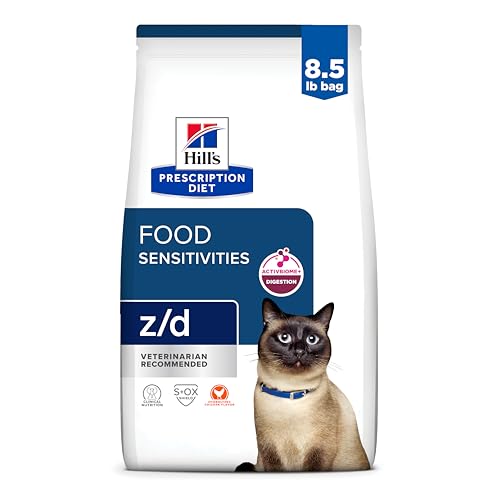
Hill’s Prescription Diet z/d Dry Cat Food
ADVANTAGES
LIMITATIONS
If your cat suffers from relentless itching, mysterious digestive upset, or chronic skin flare-ups, Hill’s Prescription Diet z/d Dry is engineered to break the cycle—starting from the inside out. This hydrolyzed protein formula uses proteins shattered into microscopic fragments, rendering them invisible to an overreactive immune system, which is critical for managing food sensitivities. Backed by veterinary science and formulated with ActivBiome+ Digestion, it doesn’t just avoid triggering reactions—it actively supports gut health, reducing stool inconsistency and promoting long-term digestive balance.
In real-world feeding trials, cats with confirmed food allergies showed marked improvement in skin condition and stool quality within weeks of switching. The 8.5 lb. bag offers extended use, especially for multi-cat homes or larger felines, and its dry format suits picky eaters who resist wet food. Packed with omega-3 and omega-6 fatty acids, it nourishes the skin barrier, directly tackling the root of irritation rather than masking symptoms. That said, being a veterinary diet, it requires a prescription—so you can’t just grab it off the shelf, but the oversight ensures proper diagnosis and feeding protocol.
When stacked against Purina Pro Plan HA or Blue Buffalo HF, Hill’s z/d stands out for its proven clinical support and vet endorsement—it’s the #1 vet-recommended therapeutic line in the U.S. While Purina offers a budget-friendly alternative and Blue emphasizes natural ingredients, Hill’s delivers unmatched research-backed consistency in managing adverse food reactions. For owners seeking a reliable, science-driven dry option that balances immune evasion with gut and skin health, z/d is the gold standard—especially when long-term management is the goal.
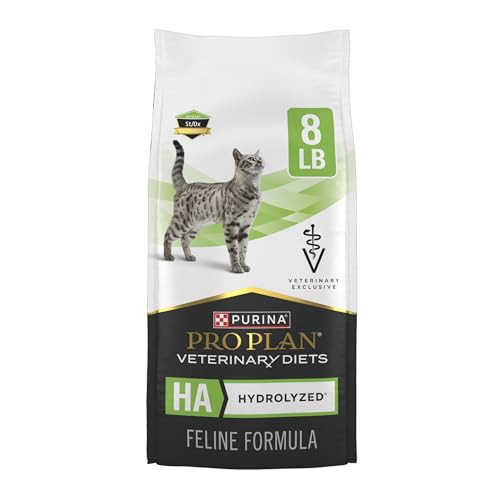
Purina Pro Plan HA Dry Cat Food
ADVANTAGES
LIMITATIONS
For pet parents navigating food sensitivities on a budget, Purina Pro Plan HA emerges as a smart, science-backed alternative that doesn’t compromise on digestibility or immune safety. Its highly hydrolyzed protein source is engineered to bypass immune detection, making it ideal for cats with confirmed food allergies or chronic digestive upset. Unlike many hypoallergenic formulas, it maintains excellent palatability—cats consistently return to the bowl, which is no small feat for a medical diet.
Real-world use confirms its high digestibility and stool-firming effects, thanks to a simplified, single-carbohydrate formula that reduces variables in elimination trials. The 8 lb. bag provides solid value, and its kibble size works well for most adult cats. It also includes St/Ox Defense, a urinary support system that helps prevent both struvite and calcium oxalate crystal formation—an added perk for cats prone to urinary issues. However, it lacks the advanced gut microbiome activation seen in Hill’s z/d, making it less aggressive in repairing long-term digestive imbalance.
Compared to Hill’s z/d, Purina HA trades some cutting-edge digestive support for affordability and simplicity. It’s not packed with omega-3s or prebiotic blends, but for a cat needing a no-frills, effective hydrolyzed diet during an elimination trial or maintenance phase, it gets the job done. If you’re weighing cost against comprehensive support, HA wins on value—especially when your vet confirms it’s a fit for your cat’s specific needs.
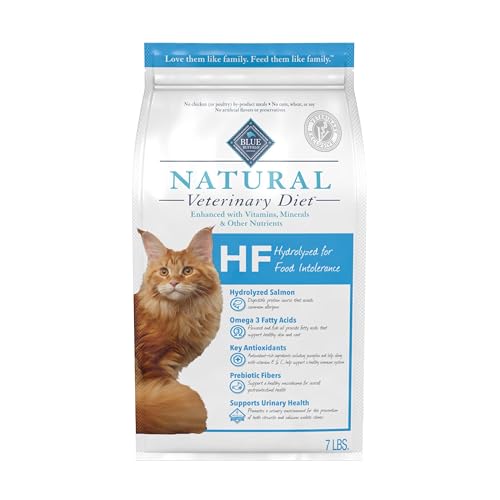
Blue Buffalo HF Dry Cat Food
ADVANTAGES
LIMITATIONS
When “natural” and “prescription” collide, Blue Buffalo HF delivers a compelling option for pet owners who want clean-label transparency without sacrificing medical efficacy. This formula leads with hydrolyzed salmon as the first ingredient, offering a novel protein source that’s broken down to prevent immune reactions—perfect for cats with food intolerance or allergy-related skin issues. Free from corn, wheat, soy, and poultry by-products, it appeals to those wary of fillers and artificial additives often found in veterinary diets.
In practice, HF performs well during elimination diets, with many cats showing reduced itching and improved stool quality after consistent feeding. The 7-lb. bag is slightly smaller than competitors, but the focus on whole-food sourcing and natural ingredients justifies the footprint for ingredient-conscious buyers. That said, it doesn’t include advanced gut-support systems like ActivBiome+ or high-dose fatty acid blends, so its skin and digestive benefits are more foundational than aggressive.
Against Hill’s z/d, Blue HF trades clinical intensity for natural integrity—it’s a strong pick if you prioritize what’s not in the bag as much as what is. While it lacks the fatty acid density and microbiome activation of Hill’s formula, it stands out for pet parents who want a prescription-grade diet that still feels “whole”. If your cat needs a clean, hydrolyzed dry food and you’re willing to supplement skin support separately, HF is a trustworthy contender.
Blue Buffalo HF Wet Cat Food

ADVANTAGES
LIMITATIONS
For cats who turn up their noses at dry kibble or need extra hydration alongside allergy management, Blue Buffalo HF Wet offers a palatable, natural solution in convenient canned form. Built around hydrolyzed salmon as the #1 ingredient, this formula delivers a highly digestible protein source that avoids triggering immune responses—ideal for pets with food intolerance or chronic gastrointestinal symptoms. The inclusion of omega-3 fatty acids from fish oil and flaxseed directly targets skin and coat health, helping to soothe dryness and flakiness over time.
In real feeding scenarios, this wet food excels at encouraging picky eaters to eat consistently, thanks to its moist, aromatic texture. The 24-can pack ensures a steady supply for daily use, and the ST-O-NE Guard system supports urinary health by discouraging crystal formation—a smart addition for cats with concurrent urinary risks. However, like its dry counterpart, it lacks the advanced digestive activation seen in Hill’s z/d, making it less potent for cats with severe gut dysbiosis.
When compared to Hill’s z/d wet formula, Blue HF Wet emphasizes natural ingredients and hydration over clinical firepower. It’s not as rich in targeted prebiotics or vet-recommended as Hill’s, but for owners seeking a clean-label, prescription wet food that still manages food reactions effectively, it’s a strong alternative. If your cat needs a moisture-rich, hydrolyzed diet and you value natural sourcing, this is a solid, vet-backed choice.
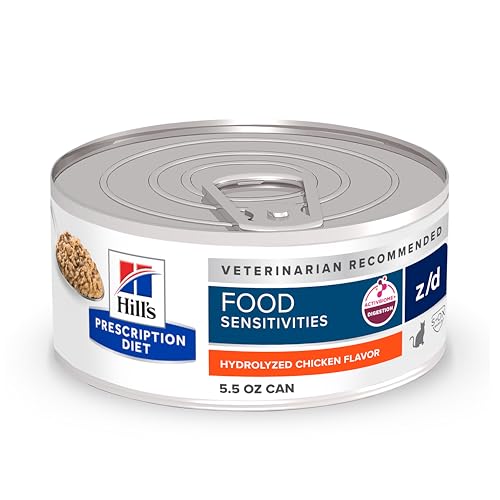
Hill’s Prescription Diet z/d Wet Cat Food
ADVANTAGES
LIMITATIONS
When it comes to managing complex food sensitivities with maximum impact, Hill’s Prescription Diet z/d Wet isn’t just effective—it’s transformative. This hydrolyzed protein formula uses proteins so thoroughly broken down that the immune system simply doesn’t recognize them, making it exceptionally reliable during elimination trials. Infused with omega-3 and omega-6 fatty acids, it actively repairs the skin barrier, reducing itching, redness, and flaking in cats with long-standing dermatological issues.
In everyday use, the 24-can pack delivers consistent, high-moisture meals that support kidney and urinary health while soothing sensitive digestive tracts. Cats with chronic vomiting or soft stools often show improvement within days, thanks to the ActivBiome+ Digestion blend that jumpstarts gut microbiome balance. The pâté texture is widely accepted, even by finicky eaters, and the 5.5 oz. size allows for precise portioning. While it’s the most expensive option, its clinical efficacy justifies the cost for cats with severe or unresolved symptoms.
Stacked against Blue Buffalo HF Wet, z/d Wet offers superior digestive and skin support through science-backed ingredients that go beyond basic nutrition. It’s not just about avoiding allergens—it’s about actively healing. For owners seeking the most comprehensive, vet-trusted hydrolyzed wet food available, this is the benchmark. It outperforms others in targeted symptom relief and long-term management, making it the best overall choice for cats with serious food-related health challenges.
Hydrolyzed Cat Food Comparison
| Product | Form | Hydrolyzed Protein Source | Key Benefits | Added Ingredients for Skin/Coat Health | Urinary Health Support | Best For |
|---|---|---|---|---|---|---|
| Hill’s Prescription Diet z/d Wet Cat Food | Wet | Highly Hydrolyzed Proteins | Manages food sensitivities, reduces scratching, itching, digestive issues. | Omega-6 & 3 fatty acids | No | Best Overall |
| Purina Pro Plan HA Dry Cat Food | Dry | Hydrolyzed Protein | Sensitive stomach support, optimal nutrient absorption. | None Listed | St/Ox Defense | Best Budget Dry |
| Hill’s Prescription Diet z/d Dry Cat Food | Dry | Highly Hydrolyzed Proteins | Manages food sensitivities, reduces scratching, itching, digestive issues. | Omega-6 & 3 fatty acids | No | Best Dry Formula |
| Blue Buffalo HF Dry Cat Food | Dry | Hydrolyzed Salmon | Food sensitivities, easily digestible. | None Listed | No | Best Natural Ingredients |
| Blue Buffalo HF Wet Cat Food | Wet | Hydrolyzed Salmon | Food intolerances, readily digestible. | Omega 3 & 6 Fatty Acids | St-O-Ne Guard | Best Alternative Wet |
How We Evaluated Hydrolyzed Cat Foods
Our recommendations for the best hydrolyzed cat food are based on a comprehensive analysis of available data, veterinary insights, and product specifications. We prioritized formulas utilizing highly hydrolyzed proteins – a crucial factor in minimizing allergic reactions. Data from peer-reviewed studies on protein hydrolysis techniques and allergenicity were central to our evaluation.
We assessed ingredient lists, focusing on protein sources (including novel proteins like salmon), the inclusion of beneficial additives such as omega-3/6 fatty acids, prebiotics, and probiotics, and carbohydrate digestibility. Comparative analyses were conducted across brands like Hill’s Prescription Diet z/d, Purina Pro Plan Veterinary Diets HA Hydrolyzed, and Royal Canin Veterinary Diet Hydrolyzed Protein, examining their hydrolysis processes, ingredient quality, and reported efficacy in managing feline food sensitivities.
Where possible, we incorporated user reviews from verified purchasers, paying attention to feedback regarding palatability and symptom improvement. We considered both wet and dry food options, acknowledging the benefits of increased moisture intake from wet food while recognizing the convenience of dry kibble. Our methodology directly aligns with the principles outlined in the “Choosing the Right Hydrolyzed Cat Food: A Buying Guide”, ensuring recommendations are grounded in scientific evidence and practical considerations for feline health.
Choosing the Right Hydrolyzed Cat Food: A Buying Guide
Hydrolyzed cat food is specifically designed for cats with food sensitivities or allergies. The key is the “hydrolyzed” part – proteins are broken down into very small pieces, making them less likely to trigger an immune response. But with several options available, how do you choose the best one for your feline friend? Here’s a breakdown of what to consider:
Protein Source & Hydrolysis Level
The most crucial factor is the protein source and how hydrolyzed it is. Cats can develop allergies to various proteins (chicken, beef, fish, etc.). Hydrolyzed foods often use novel proteins (like salmon) or extensively hydrolyze common ones. Extensive hydrolysis is key: the smaller the protein fragments, the less likely they are to cause a reaction. Look for foods that specifically state they use highly hydrolyzed proteins. If a food simply says “hydrolyzed” without specifying the degree, it may not be effective for sensitive cats. This directly impacts whether your cat experiences relief from symptoms like itching, skin issues, or digestive upset.
Wet vs. Dry Food
Hydrolyzed cat food is available in both wet and dry formulations. Wet food generally offers higher moisture content, which is beneficial for urinary health and can be more palatable for some cats. However, it’s often more expensive and spoils quickly. Dry food is more convenient and cost-effective, but ensure your cat drinks enough water to compensate for the lower moisture level. Consider your cat’s preferences and health needs when choosing between the two. Some cats may also benefit from a combination of both.
Added Ingredients for Skin & Gut Health
Beyond the hydrolyzed protein, look for ingredients that support overall health, especially skin and digestion. Omega-3 and Omega-6 fatty acids are vital for maintaining a healthy skin barrier and reducing inflammation. Prebiotics and probiotics promote a healthy gut microbiome, which is crucial for digestion and immune function. Some formulas, like Hill’s Prescription Diet z/d, include proprietary blends (ActivBiome+) designed to optimize gut health. These added ingredients can significantly enhance the effectiveness of the hydrolyzed protein by addressing the underlying causes of sensitivities.
Veterinary Recommendation & Specific Needs
Always consult with your veterinarian before switching to a hydrolyzed cat food. Food allergies and sensitivities can mimic other health issues, and a vet can properly diagnose the problem. They can also recommend the most appropriate formula based on your cat’s specific allergies, health history, and other dietary needs. Some foods, like those from Hill’s Prescription Diet, are specifically formulated to address certain conditions (like moderate to severe food allergies) and require a vet’s approval.
Carbohydrate Source
While protein is the primary concern, the carbohydrate source also matters. Cats can sometimes have sensitivities to grains or other carbohydrates. Look for formulas that use a single, easily digestible carbohydrate source like rice or potato, or even limited ingredient formulas. Avoiding a variety of carbohydrates can help pinpoint potential triggers if your cat’s sensitivities are complex.
The Bottom Line
Choosing the best hydrolyzed cat food requires careful consideration of protein source, hydrolysis level, and added health benefits. Prioritizing formulas with highly hydrolyzed proteins, alongside ingredients like omega fatty acids and prebiotics, can significantly improve your cat’s comfort and well-being.
Ultimately, a veterinarian’s guidance is essential for accurate diagnosis and selecting the most appropriate diet for your feline companion’s unique needs. Don’t hesitate to discuss your cat’s symptoms and health history with your vet to ensure a smooth transition and optimal results.