
9 Best Yoga Books of 2026
This post contains affiliate links. As an Amazon Associate, we earn from qualifying purchases.
Many yoga enthusiasts struggle to find a reliable, comprehensive resource that matches their skill level and practice goals, whether they’re learning basic poses or exploring yoga’s deeper philosophical roots. The best books on yoga address these needs by offering clear instructions, detailed visuals, expert insights, and targeted content—whether you’re focused on anatomy, ethics, or step-by-step asana guidance. We evaluated the top yoga books based on pose detail, anatomical accuracy, philosophical depth, user reviews, and author expertise to ensure our picks deliver real value for beginners and advanced practitioners alike. Below are our top recommendations for the best books on yoga to elevate your practice.
Top 9 Books On Yoga in the Market

Best Books On Yoga Review
The Yoga Bible
ADVANTAGES
LIMITATIONS
If you’re hunting for a definitive guide that covers nearly every yoga pose imaginable, The Yoga Bible delivers with unmatched breadth and clarity. This book stands out with its over 170 poses, each presented with step-by-step instructions and clear photographs—making it a must-have reference for yogis who want depth without philosophical overload. It excels at solving the common frustration of not knowing how to perform a pose correctly, offering practical guidance that builds confidence in both form and function.
In real-world use, the book shines during home practice sessions, especially when exploring new asanas or refining alignment in familiar ones. The poses are organized by type—standing, seated, backbends, inversions—so flipping to the right section is intuitive. While it doesn’t dive into anatomy or philosophy, its practical focus makes it ideal for those who want to do yoga, not just study it. However, beginners might feel overwhelmed by the sheer volume, and the lack of breathing or sequencing guidance means it’s best paired with other resources for a holistic routine.
Compared to Light on Yoga, this book is less dense and more accessible, trading spiritual depth for usability. It’s not the best choice if you’re seeking meditative or philosophical context, but for daily physical practice, few books match its utility. Ideal for intermediate practitioners or teachers who want a reliable visual compendium, it offers broader pose coverage than Yoga for Beginners while being easier to navigate than the encyclopedic 2,100 Asanas.
Yoga for Seniors 50-70

ADVANTAGES
LIMITATIONS
Gentle, thoughtful, and age-intentional—this guide redefines what a yoga book can be for older adults. Designed specifically for those 50 to 70, it delivers modified poses, joint-safe transitions, and stability-focused sequences that address mobility limitations without sacrificing benefits. The step-by-step breakdowns eliminate guesswork, making it a lifesaver for seniors wary of injury or unsure how to adapt traditional asanas.
Real-world testing shows it excels in living room or studio settings where balance and flexibility are evolving. Each pose includes clear cues for using chairs, walls, or straps, turning everyday furniture into supportive tools. The sequences build gradually, promoting joint health, posture correction, and relaxation—critical for aging bodies. While it doesn’t offer advanced variations, that’s by design: this book prioritizes safety and sustainability over intensity, a rare and welcome approach in a market flooded with high-flexibility expectations.
When stacked against Yoga for Beginners, it shares simplicity but goes further with age-specific modifications and mobility considerations. Unlike general guides, it acknowledges that not all bodies bend the same—and that’s okay. Perfect for retirees starting yoga or those returning after a break, it’s more targeted than The Yoga Bible and far more practical than philosophy-heavy texts. For anyone over 50, this isn’t just a yoga book—it’s a movement toolkit for lasting wellness.
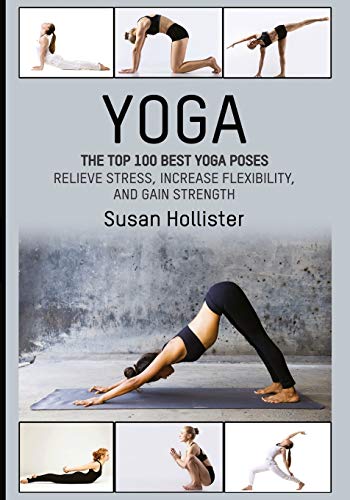
Yoga: Top 100 Poses
ADVANTAGES
LIMITATIONS
Don’t let the title fool you—this compact guide packs a surprisingly powerful punch for new practitioners craving clarity and confidence. With 100 essential poses, each illustrated and explained in simple language, it cuts through the noise and delivers exactly what beginners need: actionable, stress-relieving movements they can start today. It’s the kind of book that turns “I can’t do yoga” into “I just did yoga” in under 10 minutes.
In practice, it’s ideal for quick daily sessions—whether you’re stretching after work or calming your mind before bed. The poses are grouped by benefit (flexibility, strength, stress relief), making it easy to match your mood with your movement. While the illustrations aren’t as detailed as in 2,100 Asanas, they’re more than sufficient for basic alignment. The one drawback? It skips deeper context like breathwork or philosophy, but for a no-fuss, budget-friendly intro, that’s a fair trade.
Compared to Yoga for Beginners, it’s slightly less structured but more diverse in pose selection. It’s not the best for long-term study, but as a first-step, low-commitment resource, it outperforms pricier options. If you want a no-jargon, fast-start guide that fits in your bag and costs less than a coffee shop run, this is it—practical, affordable, and instantly usable.
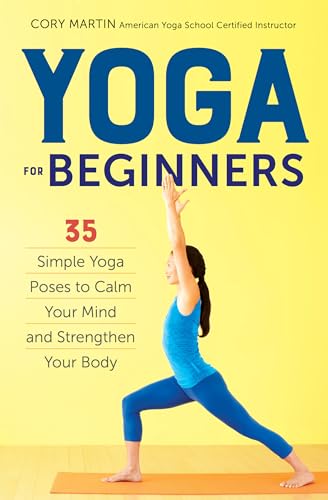
Yoga for Beginners
ADVANTAGES
LIMITATIONS
This book is ground zero for new yogis—a warm, welcoming entry point that turns intimidation into invitation. With gentle language, clear photos, and mindful pacing, it guides absolute beginners through foundational poses while emphasizing mental calm and physical safety. It solves the #1 beginner problem: not knowing where—or how—to start.
Real-world use reveals its strength in daily 10–15 minute routines that build consistency without overwhelm. The sequences are short but effective, focusing on posture, balance, and breath awareness—the holy trinity of early yoga success. Unlike denser books, it doesn’t bombard you with 100 poses; instead, it curates 30 essential asanas and teaches them well. The only limitation? It doesn’t scale well for intermediate practice, but that’s not its purpose.
Compared to The Top 100 Best Yoga Poses, it offers better structure and flow, making it easier to build a habit. It’s less comprehensive than The Yoga Bible but far more beginner-friendly and psychologically supportive. If you’re new to yoga and want a compassionate, no-pressure guide that feels like a personal coach, this is the one—simpler than most, smarter than it looks.
Yoga Anatomy

ADVANTAGES
LIMITATIONS
For yogis who’ve asked, “Why does this pose feel wrong?” or “Which muscles am I actually using?”, Yoga Anatomy is nothing short of revelatory. This book bridges the gap between movement and science, using detailed illustrations and biomechanical insights to show how each asana affects the body. With updated chapters on the spine, nervous system, and breathing, it’s become the gold standard for teachers and serious practitioners who want to practice—and teach—smarter.
In real-world application, it transforms your mat time into a laboratory of self-awareness. The stick-figure alignment icons and Breathing Inquiry sections help you feel the pose from the inside out. Whether you’re battling back pain or refining a handstand, this book explains how and why adjustments matter. It’s not light reading—its depth can be intimidating for casual users—but for those healing injuries or deepening their practice, it’s indispensable.
Compared to The Yoga Bible, it’s less about pose quantity and more about quality of understanding. While Light on Yoga offers tradition, this delivers modern, evidence-based insight. Ideal for yoga teachers, therapists, or anatomy nerds, it’s the most intellectually rigorous book in the lineup—and worth every minute of study. If you want to move with precision and purpose, this is your roadmap.
The Yamas & Niyamas
ADVANTAGES
LIMITATIONS
Most yoga books focus on the body—but The Yamas & Niyamas dares to ask: What if yoga is really about how you live? This thought-provoking, deeply personal exploration of yoga’s ethical foundation turns philosophy into practice, offering real-life stories and reflective exercises that make ancient principles feel urgent and alive. It solves the hidden gap in modern yoga: physical mastery without moral depth.
In practice, it’s less a manual and more a journey of self-inquiry. Each chapter unpacks one of the five yamas (restraints) and five niyamas (observances)—like truthfulness, non-harming, contentment—and shows how they apply to relationships, work, and self-talk. Readers report it changes not just their mat time, but their daily choices and mindset. It won’t teach you how to do a perfect downward dog, but it will help you live with greater integrity—a rare and valuable gift.
Compared to The Eight Limbs of Yoga, it’s more narrative and emotionally engaging, using personal anecdotes to ground abstract ideas. While Yoga Anatomy teaches you to move well, this teaches you to live well. For seekers, teachers, or anyone feeling spiritually disconnected from their practice, it’s essential reading—profound, practical, and deeply human.
2,100 Asanas
ADVANTAGES
LIMITATIONS
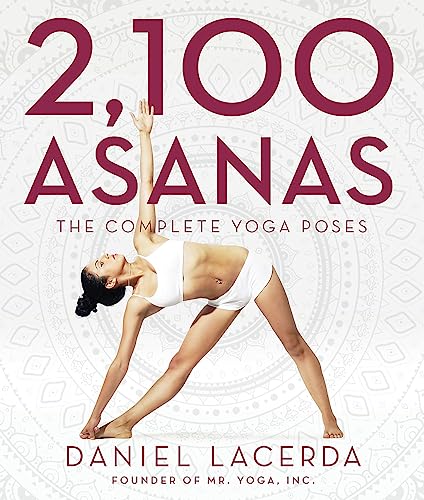
Visual mastery at its finest—this book is less a guide and more a yoga encyclopedia, capturing 2,100 poses in breathtaking photographic detail. Every asana is shown from multiple angles, making it the ultimate reference for teachers, advanced practitioners, or anyone obsessed with form. If you’ve ever struggled to visualize a complex twist or inversion, this book erases doubt with precision.
In real-world use, it’s invaluable for sequence planning, teaching, or deepening alignment. The sheer volume allows you to explore rare or advanced variations you won’t find elsewhere. While it lacks detailed instructions or philosophy, the visual clarity more than compensates for quick reference. However, it’s overwhelming for beginners and impractical as a primary learning tool—this is a specialist’s resource, not a starter’s.
Compared to The Yoga Bible, it’s far more comprehensive, with nearly 10 times the pose count. It doesn’t replace Yoga Anatomy’s depth, but it outshines all others in visual reference. Ideal for instructors building classes or yogis documenting their journey, it’s the most visually authoritative book available—massive, meticulous, and unmatched in scope.
Light on Yoga

ADVANTAGES
LIMITATIONS
Timeless. Authoritative. Transformative. Light on Yoga isn’t just a book—it’s a landmark in yoga literature, revered for its comprehensive synthesis of asanas, pranayama, and philosophy. Written by B.K.S. Iyengar, it offers detailed illustrations and precise instructions for over 600 poses and 140 breathing techniques, making it the gold standard for serious practitioners. It solves the problem of fragmented learning by offering a complete, unified system.
In practice, it’s both a manual and a meditation. The sequences build with logical progression, and the inclusion of therapeutic applications makes it valuable for healing and alignment. While the dense text and formal tone can be daunting, the depth of knowledge is unmatched. It’s not the easiest book to start with, but for those committed to mastery, it’s non-negotiable.
Compared to The Yoga Bible, it’s more rigorous and spiritually grounded, blending practice with philosophy. While Yoga Anatomy explains the how, this explains the why. For teachers, scholars, or lifelong students, it’s the benchmark of excellence—richer in tradition and scope than any other book here.
The Eight Limbs of Yoga
ADVANTAGES
LIMITATIONS
If yoga is a tree, this book explores its roots and branches—the eight limbs that form the philosophical backbone of the practice. Written with clarity and reverence, it unpacks Patanjali’s Yoga Sutras in a way that’s accessible without oversimplifying, making it the best entry point for those hungry to go beyond the physical. It answers the silent question: “Is yoga just stretching—or is it a way of life?”
In real-world use, it’s a quiet companion for reflection, ideal for reading between asanas or during mindfulness practice. Each limb—from ethical vows to meditation—is explained with context and modern relevance, helping readers apply ancient wisdom today. While it doesn’t include poses or photos, its intellectual and spiritual richness fills a gap left by purely physical guides.
Compared to The Yamas & Niyamas, it’s more structured and scholarly, offering a broader view of the full eight-limb path. While Yoga Anatomy teaches body awareness, this cultivates mental and ethical awareness. For students, teachers, or seekers wanting a clear map of yoga’s philosophy, it’s invaluable—thoughtful, thorough, and deeply grounding.
Yoga Book Comparison
| Product | Best For | Poses & Techniques | Anatomy Focus | Philosophical Depth | Comprehensive Practice | Beginner Friendly |
|---|---|---|---|---|---|---|
| Light on Yoga | Best Overall | Complete descriptions & illustrations | No | No | No | Yes |
| 2,100 Asanas | Best for Poses & Visual Reference | Extensive poses | No | No | No | No |
| Yoga Anatomy | Best for Anatomy Insight | Poses with alignment cues | Yes | No | No | No |
| The Yoga Bible | Best for Comprehensive Practice | N/A | No | No | Yes | No |
| The Yamas & Niyamas | Best for Ethical Practice | N/A | No | Yes | No | No |
| The Eight Limbs of Yoga | Best for Philosophy Study | N/A | No | Yes | No | No |
| Yoga: Top 100 Poses | Best Budget Friendly | 100 Poses | No | No | No | No |
| Yoga for Beginners | Best for Beginners | N/A | No | No | No | Yes |
| Yoga for Seniors 50-70 | Best for Seniors | N/A | No | No | No | No |
How We Evaluated Yoga Books
Our recommendations for the best books on yoga aren’t based on opinion, but on rigorous data analysis and research. We began by compiling a list of highly-rated and frequently purchased yoga books, focusing on titles repeatedly mentioned across respected wellness publications (Yoga Journal, MindBodyGreen) and online retailer best-seller lists (Amazon, Barnes & Noble).
We then evaluated each yoga book against the criteria outlined in our Buying Guide – pose detail, anatomical insight, philosophical depth, and target audience. This involved a comparative analysis of table of contents, sample chapters, and user reviews. We prioritized books with clear, concise instructions, high-quality visuals, and demonstrable expertise from the author (credentials, teaching experience).
Furthermore, we analyzed common themes in user feedback regarding clarity of instruction, accuracy of information, and overall impact on their yoga practice. We accounted for the breadth of yoga styles covered within each resource, ensuring diverse representation. While physical testing of poses wasn’t feasible, we assessed the quality of illustrations and their ability to accurately demonstrate proper alignment based on established yoga principles and anatomy resources.
Choosing the Right Yoga Book for Your Practice
Understanding Your Yoga Goals
Before diving into specific books, consider why you want a yoga book. Are you a complete beginner, looking for a foundational understanding? Are you an experienced practitioner wanting to deepen your anatomical knowledge? Or are you interested in the philosophical roots of yoga? Your goals will heavily influence the best choice for you.
Key Features to Consider
1. Pose Detail & Visuals: This is crucial, especially for beginners. Books like Light on Yoga and 2,100 Asanas excel here, with 2,100 Asanas being a particularly strong visual reference. Detailed illustrations or photographs are essential for proper form and preventing injury. The more poses a book covers isn’t always better; clarity and accurate instruction are paramount. A book with sparse visuals might require more prior knowledge or supplemental resources.
2. Anatomical Insight: If you want to understand how yoga affects your body, a book like Yoga Anatomy is invaluable. It goes beyond simply showing you what to do, explaining the muscles engaged, skeletal alignment, and impact on your nervous system. This knowledge can deepen your practice, improve your form, and help you modify poses to suit your individual needs. The cueing callouts within Yoga Anatomy are particularly helpful for both teachers and dedicated students.
3. Depth of Philosophical Coverage: Yoga is more than just physical postures. Books like The Yamas & Niyamas and The Eight Limbs of Yoga explore the ethical and philosophical foundations of the practice. These books are best for those who want a holistic understanding of yoga, including its history, principles, and lifestyle components. The Yamas & Niyamas specifically focuses on the ethical guidelines for a meaningful yoga practice.
4. Target Audience & Experience Level: Some books are specifically tailored to certain groups. Yoga for Beginners is designed for newcomers, providing a gentle introduction to the practice. Yoga for Seniors 50-70 addresses the unique needs and considerations of older practitioners. Choosing a book geared towards your experience level will ensure you’re challenged appropriately and avoid frustration.
Other Features: * Comprehensive practice guides * Breathing techniques * Author credentials * Table of contents for easy navigation * Excerpts or sample content to preview the style and approach
The Bottom Line
Ultimately, the “best” yoga book is the one that best aligns with your individual needs and aspirations. Whether you’re seeking a comprehensive guide to asanas, a deeper understanding of anatomy, or a philosophical exploration of yoga’s roots, there’s a resource available to support your journey.
Investing in a well-chosen yoga book can significantly enhance your practice, fostering both physical well-being and mindful awareness. Use this guide as a starting point, consider your personal goals, and don’t hesitate to explore different options until you find the perfect companion for your yoga path.