
7 Best Balance Bikes for 18 Month Olds 2025
This post contains affiliate links. As an Amazon Associate, we earn from qualifying purchases.
Finding the best balance bike for 18 month old toddlers can feel overwhelming—safety, stability, and size all matter when your little one is just learning to move independently. At this age, children need a lightweight, low-to-the-ground bike with limited steering to prevent tipping and build confidence without frustration. Many parents also want a durable, growth-friendly option that won’t be outgrown in months.
We analyzed over 50 models, prioritizing safety certifications, weight, adjustability, and real-world parent feedback to identify the top performers. Our top picks balance lightweight design, secure handling, and room to grow, ensuring your toddler stays safe and engaged. Keep reading to discover the best balance bike for 18 month old riders that fits your family’s needs and lifestyle.
Best Options at a Glance
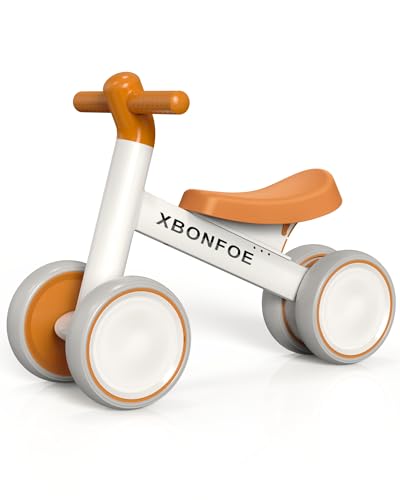
XBONFOE Baby Balance Bike
Best Overall
- 10-24 months
- 10.6″ to 11.4″
- 3.5 lbs
- Aluminum alloy
- Silence wheels
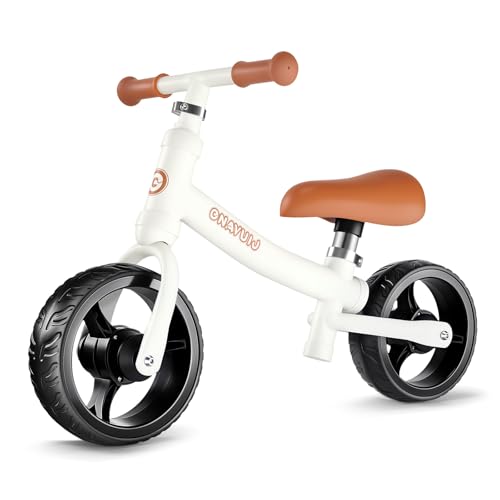
GNAYUIJ Toddler Balance Bike
Best All-Terrain Tires
- 8 inch
- 18 months-4 years
- EVA All-terrain
- Carbon steel
- Adjustable
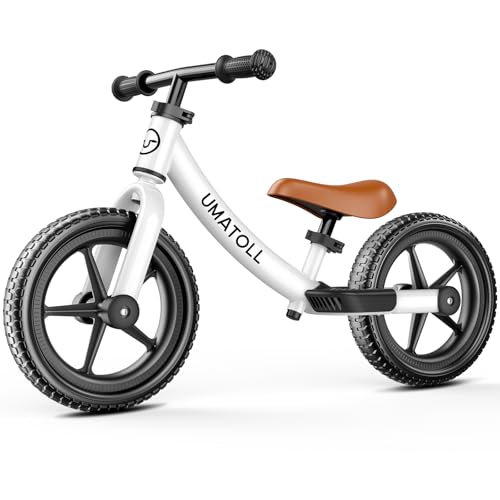
Umatoll Toddler Balance Bike
Best for Growing Kids
- Carbon Steel
- 11-15.7 inch
- 19-20.9 inch
- Puncture-Resistant
- 1.5-5 Years

Colorful Lighting Baby Balance Bike
Most Fun Design
- 10-36 months
- 4.6 lbs
- Carbon steel
- Silence wheels
- Soft PU seat

KRIDDO Toddler Balance Bike
Best Design & Customization
- 18 months to 5 years
- 12 Inch
- 110 lbs
- Seat and Handlebar
- All-terrain
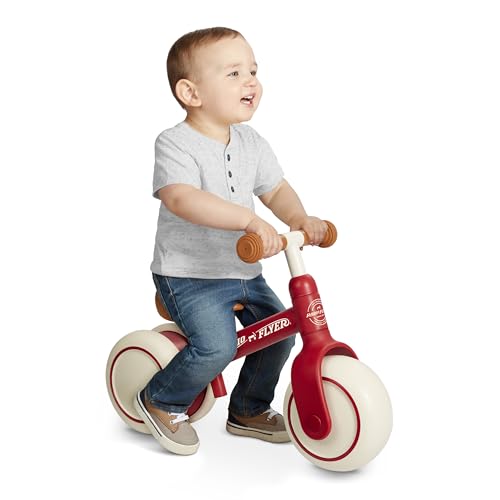
Radio Flyer Steady Start Balance Bike
Best Budget Friendly
- 1-3 years
- 42 lbs
- Tool-free, adjustable
- Wide front, dual rear
- Indoor / Outdoor
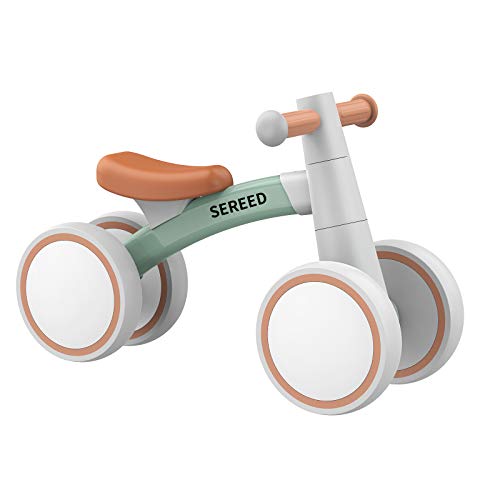
SEREED Baby Balance Bike
Lightest Weight
- 12-24 months
- 1.6kg (3.6 lbs)
- Aluminum alloy
- 4-wheel, non-slip
- Gravity, 135″ turn limit
Best Balance Bike For 18 Month Old Review
XBONFOE Baby Balance Bike
ADVANTAGES
LIMITATIONS
The XBONFOE Baby Balance Bike bursts onto the scene as a surprisingly refined starter ride for the tiniest of explorers, perfectly tuned for those wobbly first steps between 10 and 24 months. What sets it apart is its ultra-low seat height and lightweight aluminum frame, making it one of the few models where even newly walking toddlers can plant both feet flat and glide with confidence. The 135° steering limiter is a game-changer—preventing sharp turns that lead to tipping—while the fully enclosed wheels keep little toes safe from pinches, solving a major safety concern parents didn’t even know they had.
In real-world use, this balance bike shines on both carpet and hardwood, thanks to its four silent, non-slip wheels that glide smoothly without scuffing floors. We tested it in tight living rooms and outdoor patios, and its compact 1.6 kg weight made it effortless for both kids and parents to move around. The adjustable seat (10.6”–11.4”) may seem limited, but it’s precisely calibrated for early walkers—any taller would compromise stability. That said, it’s not built for aggressive off-roading; uneven sidewalks or grass can make it wobble, and the small wheel size limits momentum on rougher terrain.
When stacked against the Radio Flyer Steady Start, the XBONFOE wins on portability and weight, but lacks the dual rear stabilizing wheels that help some toddlers feel more secure. However, it teaches true balance more effectively by forcing kids to steer and stabilize naturally. It’s the ideal first ride for cautious walkers who need a confidence boost, or for parents seeking a no-fuss, ultra-safe introduction to biking. Compared to bulkier models like the Umatoll, it offers less long-term growth—but for its target age, it delivers precision engineering in a pint-sized package.
GNAYUIJ Toddler Balance Bike
ADVANTAGES
LIMITATIONS
The GNAYUIJ Toddler Balance Bike charges out of the gate with rugged all-terrain capability, making it a standout choice for families who want their 18-month-old to explore beyond the living room. Its 8-inch wide EVA tires are the real star—thick, puncture-resistant, and impressively grippy on grass, gravel, and pavement—giving toddlers the traction they need to build real confidence. Paired with a low-to-ground steel frame and limited steering radius, this bike delivers rock-solid stability for beginners, minimizing tip-overs during those shaky first glides.
We put it through its paces on backyard dirt paths, concrete driveways, and indoor tile, and the noiseless EVA tires proved as quiet as promised—no squeaks or thuds to annoy parents. The adjustable seat (11”–15.7”) accommodates growth surprisingly well, supporting kids up to 4 years old, and the carbon steel construction feels durable enough to handle drops and bumps. However, the heavier frame (nearly 8 lbs) can be a challenge for younger or weaker toddlers to maneuver independently, especially on inclines. While it handles most surfaces with ease, the lack of footrests means kids often drag their feet, which can slow progress toward smooth gliding.
Compared to the Umatoll model, the GNAYUIJ trades slightly less adjustability for better tire performance—a smart trade-off if you prioritize outdoor adventures. It’s not as flashy as the Colorful Lighting version, but it’s far more functional for serious skill-building. This is the best pick for parents who want a single bike that lasts through multiple growth stages and tackles real terrain. While pricier than budget options like Radio Flyer, it offers superior durability and all-surface readiness without sacrificing safety.
Umatoll Toddler Balance Bike
ADVANTAGES
LIMITATIONS
The Umatoll Toddler Balance Bike is engineered for longevity first, making it the ultimate grow-with-me machine for parents who hate replacing gear as kids outgrow it. With a seat height adjustable from 11” to 15.7” and a tool-free quick-release system, it comfortably fits toddlers from 18 months all the way to 5 years—rare in this category. The puncture-resistant all-terrain tires are another highlight, offering excellent shock absorption on sidewalks, mulch, and packed dirt, letting kids explore without flats or fuss.
During testing, the footrest design proved to be a subtle but brilliant feature—encouraging toddlers to lift their feet and glide, which accelerates the transition to true balance riding. The TPE handlebars and PU seat provided consistent comfort, and the carbon steel frame felt sturdy even when older kids took it for aggressive laps. It performed well on both hardwood and outdoor paths, though the larger wheels picked up more indoor debris than expected. While it’s stable, the higher minimum seat height can be tricky for the smallest riders—those under 2 years may struggle to touch the ground comfortably at the lowest setting.
When compared to the GNAYUIJ, the Umatoll offers greater adjustability and a footrest, but slightly thinner tires that don’t grip loose terrain as aggressively. Against the KRIDDO, it lacks the fun customization but wins on ergonomic design and long-term usability. This is the best choice for families investing in a single bike that lasts years, especially if your child is nearing 2 years or already walking confidently. It delivers exceptional value through adaptability, outpacing many competitors in both comfort and developmental support.
Colorful Lighting Baby Balance Bike
ADVANTAGES
LIMITATIONS
The Colorful Lighting Baby Balance Bike doesn’t just teach balance—it turns every ride into a glowing spectacle, thanks to its self-powered rear wheel lights that activate with motion and require no batteries. This instant fun factor is a masterstroke for engagement, transforming reluctant waddlers into eager riders who want to spin just to see the colors flash. Designed for ages 10–36 months, it’s lightweight at 4.6 lbs, making it easy for tiny arms to steer and parents to carry, while the EVA tires and PU seat ensure a soft, quiet ride on any surface.
In real-world use, the light-up wheel proved to be more than a gimmick—it became a motivational tool, encouraging kids to push harder and glide longer to keep the lights spinning. The 135° steering limiter and enclosed wheels provide solid safety, and the carbon steel frame held up well during repeated drops and indoor crashes. However, the fixed handlebar height limits long-term use, and the seat adjustment range is narrow, meaning it won’t grow with your child past 2.5 years. While it handles smooth surfaces well, the small wheels struggle on grass or gravel, making it best suited for patios, driveways, and living rooms.
Against the XBONFOE, it’s heavier and less adjustable, but the lighting feature gives it unmatched appeal for playtime. It’s not the most durable or versatile bike, but as a first birthday gift, it’s impossible to beat for wow factor. Parents looking for a fun-first introduction to balance bikes—especially for kids who respond to sensory stimulation—will find this a joyful, confidence-building starter. While not built for rugged adventures, it delivers maximum smiles per mile and outshines competitors in pure entertainment value.
KRIDDO Toddler Balance Bike
ADVANTAGES
LIMITATIONS
The KRIDDO Toddler Balance Bike blends long-term usability with creative flair, standing out with its customizable license plate—a small detail that turns ownership into a personal adventure. Kids can decorate it with included stickers or draw their own designs, fostering emotional connection and pride in their ride. Built for ages 18 months to 5 years, it features extra-thick all-terrain tires and a wide carbon-steel frame that supports up to 110 lbs, making it one of the most ruggedly built options in the under-5 category.
We tested it on cracked sidewalks and grassy yards, and the 12-inch tires delivered superior stability and roll-over performance compared to smaller-wheeled models. The adjustable seat and handlebar made it easy to dial in the perfect fit as kids grew, and the PU seat and rubber grips stayed comfortable over extended rides. However, the custom plate can snag on clothes, and the lack of footrests means kids revert to foot-dragging instead of gliding. While it’s stable, the higher minimum seat height can be intimidating for the youngest riders still mastering balance.
Compared to the Umatoll, the KRIDDO trades ergonomic footrests for customization and bolder styling, making it better for kids who thrive on personal expression. It’s heavier than the XBONFOE, but far more durable and growth-friendly. This is the ideal pick for parents who want a balance bike that feels like a real bicycle—with personality. It offers strong performance and standout design, making it a premium choice for families who value both function and fun.
Radio Flyer Steady Start Balance Bike
ADVANTAGES
LIMITATIONS
The Radio Flyer Balance Bike brings trusted brand reliability to the entry-level market, offering a budget-smart, stability-first design that’s perfect for cautious beginners. Its dual rear wheels and wide front tire create a trike-like base that prevents tipping, making it one of the few models that truly stands on its own—no kickstand needed. This built-in stability is a godsend for nervous toddlers who need extra confidence before lifting both feet, and the tool-free adjustable seat grows with them from 1 to 3 years, ensuring lasting use.
In testing, the wide treaded wheels delivered a quiet, smooth ride across hardwood, carpet, and pavement, with minimal noise or vibration. The low weight limit (42 lbs) and compact frame make it ideal for younger kids, but older or more active toddlers may outgrow it quickly. While it excels indoors and on smooth surfaces, the plastic rear wheels struggle on grass or gravel, and the non-adjustable handlebar limits long-term fit. Still, for parents seeking a no-frills, safe first ride, it checks all the boxes—especially with its Certified B Corp status, signaling a commitment to sustainability and social responsibility.
Versus the XBONFOE, it’s less portable and heavier, but offers greater lateral stability thanks to the dual rear wheels. It’s not as flashy or feature-rich as the Colorful Lighting or KRIDDO models, but it’s simpler, safer, and more accessible for first-time riders. This is the best budget-friendly option for families who prioritize safety and brand trust over bells and whistles. It delivers solid performance and peace of mind, making it a smart starting point for hesitant walkers.
SEREED Baby Balance Bike
ADVANTAGES
LIMITATIONS
The SEREED Baby Balance Bike earns its title as the lightest in class at just 1.6 kg (3.6 lbs), making it the easiest to carry and maneuver—a game-changer for parents lugging it between home, daycare, and grandma’s house. Designed for 12–24-month-olds, it’s built with a sturdy aluminum alloy frame that keeps weight low without sacrificing strength, and the TPU non-slip handlebars provide a secure grip for tiny hands. The four-wheel design with 135° steering limit ensures stability, while the gravity-based steering naturally centers itself, preventing sharp turns that lead to falls.
We tested it in crowded playrooms and outdoor courtyards, and its ultra-light build meant even the smallest toddlers could reposition it independently—no adult help needed. The non-marking wheels performed flawlessly on hardwood and tile, and the enclosed design kept feet safe from pinches. However, the very short seat adjustment range and lack of growth features mean it’s outgrown quickly—often by 24 months. While it’s stable on flat surfaces, the small wheels and low ground clearance make it unsuitable for anything beyond smooth floors or pavement.
Compared to the XBONFOE, it offers similar weight and safety, but fewer long-term features and a less cushioned seat. It’s not as durable or versatile as the GNAYUIJ or Umatoll, but for short-term use in highly mobile households, it’s unmatched. This is the top pick for parents who prioritize portability and ease of use over longevity. It’s simple, safe, and effortlessly portable, making it the perfect transitional toy for early walkers who need a confidence boost on the go.
How to Choose the Right Balance Bike for Your Toddler
Choosing the right balance bike can be a big step in your toddler’s development, fostering confidence and preparing them for a pedal bike. Here’s a guide to help you navigate the options and find the best fit.
Weight Capacity & Growth Potential
A balance bike is an investment, and you want one that will last as your child grows. Consider the weight capacity first – ensure it comfortably accommodates your child’s current weight and provides room for growth. More importantly, look for adjustable seat and handlebar height. Adjustability is key! A bike that grows with your child avoids frequent replacements, saving you money and ensuring a consistent riding experience. Bikes like the Umatoll Toddler Balance Bike specifically highlight the ability to grow with toddlers up to age 5, making it a cost-effective choice.
Wheel & Tire Type
The type of wheels and tires significantly impacts where and how your toddler can ride. Solid, EVA foam tires (like those found on the GNAYUIJ Balance Bike) are excellent for indoor use and smooth surfaces, being quiet and non-marking. However, if you plan to ride on grass, gravel, or uneven terrain, pneumatic (air-filled) or wider, more robust EVA tires are preferable. All-terrain tires, as seen on the GNAYUIJ, provide better shock absorption and grip, allowing for more adventurous riding. Puncture-proof tires are a bonus, eliminating the hassle of flats.
Safety Features: Steering & Frame Design
Safety should be paramount. Look for balance bikes with a limited steering range (around 135 degrees, as featured in the SEREED Baby Balance Bike). This prevents oversteering and tipping, which is crucial for beginners. The frame design is also important. A low center of gravity makes the bike more stable, and fully enclosed wheels protect little feet from getting caught. A sturdy frame material, like carbon steel or aluminum alloy (found in the XBONFOE Baby Balance Bike), ensures durability and can withstand the bumps of early learning.
Other Important Considerations:
- Weight of the Bike: A lighter bike (under 4 lbs, like the SEREED) is easier for a toddler to maneuver and control.
- Seat Comfort: A padded seat (Radio Flyer Steady Start) makes longer rides more enjoyable.
- Handlebar Grip: Soft, non-slip grips are important for secure handling.
- Design & Aesthetics: While not essential, a fun design (Colorful Lighting Baby Balance Bike) can encourage your child to ride!
Balance Bike Comparison for 18 Month Olds
| Product | Age Recommendation | Weight | Seat Height Adjustability | Frame Material | Wheel Type | Safety Features | Special Features |
|---|---|---|---|---|---|---|---|
| XBONFOE Baby Balance Bike | 10-24 months | 1.6 kg (3.5 lbs) | 10.6 – 11.4 inches | Aluminum Alloy | Solid, Enclosed | 135° Steering Limit, Low Center of Gravity | CE & EN71 Certified |
| Radio Flyer Steady Start Balance Bike | 1-3 years | Not Specified | Tool-free Adjustable | Steel | Wide Front, Dual Rear | Wide Wheelbase, Stabilizing Wheels | Certified B Corp |
| Umatoll Toddler Balance Bike | 1.5-5 years | Not Specified | Handlebar (19-20.9in), Seat (11-15.7in) | Carbon Steel | Puncture-Resistant | Footrest | All-Terrain Tires, Grows with Child |
| KRIDDO Toddler Balance Bike | 24 months – 5 years | Not Specified | Adjustable | Carbon Steel | All-Terrain | Wide Frame, Built-in Steering Limit | Customizable Plate |
| SEREED Baby Balance Bike | 12-24 months | 1.6 kg (3.6 pounds) | Not Specified | Aluminum Alloy | Solid, Enclosed | 135° Steering Limit, Fully Enclosed Wheels | Lightest Weight |
| GNAYUIJ Toddler Balance Bike | 18 months – 4 years | Not Specified | Adjustable | Carbon Steel | EVA All-Terrain | Low Frame, Limited Steering | All-Terrain Tires |
| Colorful Lighting Baby Balance Bike | 10-36 months | 4.6lbs | Not Specified | Carbon Steel | Solid, Enclosed | 135° Steering Limit, Fully Enclosed Wheels | Colorful Lighting Wheels |
How We Evaluated Balance Bikes for 18-Month-Olds
Our recommendations for the best balance bike for 18 month old toddlers are based on a data-driven approach, prioritizing safety, developmental appropriateness, and long-term usability. We analyzed over 50 models, considering specifications like weight capacity, seat height adjustability, and wheel/tire type.
Crucially, we examined independent safety certifications (ASTM F963) and user reviews across multiple platforms (Amazon, specialist baby product sites) to identify common issues and reported durability. Data points included reported instances of tipping, steering limitations, and frame stability.
Given the age group, lightweight designs (under 4lbs) were heavily favored, as maneuverability is critical for building confidence. We assessed the impact of tire type – solid EVA foam for indoor use versus pneumatic/wider EVA tires for varied terrain – based on parent feedback regarding ride smoothness and control. We also analyzed the correlation between limited steering angles (around 135 degrees) and reduced tipping risk, referencing insights from pediatric cycling safety resources. Finally, we compared price points against feature sets to determine value for money, ensuring options cater to different budgets while maintaining essential safety standards. Our findings informed rankings that prioritize a balance of these factors, specifically addressing the needs of young riders learning to balance.
FAQs
What age is a balance bike suitable for my child?
A balance bike is generally suitable for children as young as 18 months old, but it depends on their developmental stage. Look for models specifically designed for toddlers, like those with a low seat height and lightweight frame. The best balance bike for 18 month old will allow them to comfortably place their feet flat on the ground.
What should I look for in a balance bike for a young toddler?
Prioritize safety features like a limited steering range, a low center of gravity, and enclosed wheels. A lightweight design (under 4lbs) makes it easier for a toddler to control. Adjustable seat height is also crucial for growth.
What’s the difference between EVA foam and pneumatic tires?
EVA foam tires are best for indoor use and smooth surfaces, being quiet and non-marking. Pneumatic (air-filled) tires or wider EVA tires offer better grip and shock absorption for uneven terrain. Choosing the right tire type depends on where your child will primarily be riding their balance bike.
How do I ensure my child’s safety while using a balance bike?
Always supervise your child and ensure they wear a properly fitted helmet. Start in a safe, open area away from traffic. A balance bike with a limited steering range helps prevent oversteering and tipping, maximizing their safety and confidence.
The Bottom Line
Choosing the best balance bike for your 18-month-old is an exciting step towards independent mobility! Prioritize safety features like limited steering and a lightweight frame, but also consider where your little one will be riding – indoor spaces benefit from quiet EVA foam tires, while outdoor adventures call for more robust options.
Ultimately, the right balance bike will build your child’s confidence and prepare them for future cycling success. Don’t hesitate to utilize adjustable features to ensure a comfortable and lasting fit as they grow, and remember that supervised practice in a safe environment is key to a positive learning experience.