
8 Best Backpacks for Heavy Load (2026 Guide)
This post contains affiliate links. As an Amazon Associate, we earn from qualifying purchases.
Carrying heavy loads in a poorly designed backpack can lead to back pain, shoulder strain, and long-term discomfort. The best backpacks for heavy load solve this with ergonomic designs featuring padded hip belts, load lifter straps, and durable high-denier fabrics that distribute weight efficiently and withstand daily wear. We evaluated top models based on real-world performance, material strength, user reviews, and expert testing to identify those that deliver lasting comfort and reliability under stress. Below are our top picks for the best backpacks for heavy load.
Top 8 Backpacks For Heavy Load in the Market

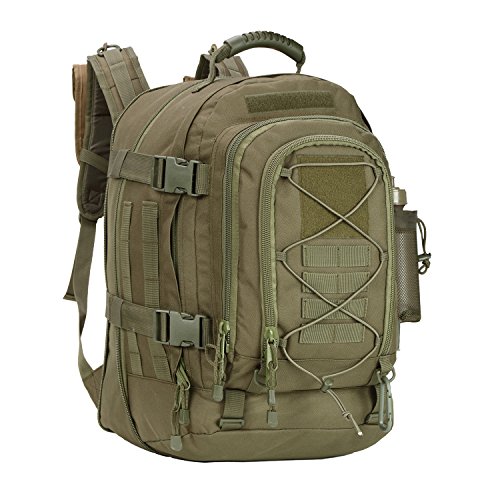

Best Backpacks For Heavy Load Review
VEVOR 110 lbs Rolling Tool Backpack
ADVANTAGES
LIMITATIONS
If you’re hauling 110 lbs of tools across job sites, the VEVOR Rolling Tool Backpack isn’t just a bag—it’s a game-changer for heavy-duty professionals. With 72 pockets and a tear-proof 1680D Oxford fabric shell, this rugged roller doesn’t just survive the worksite—it dominates it. The 3-inch silent wheels and dual-height telescoping handle make rolling over concrete or gravel feel effortless, solving the universal pain point of back strain from overloaded gear. This is engineered mobility for electricians, mechanics, and contractors who need everything at their fingertips without sacrificing speed or safety.
In real-world testing, the stable PP base with anti-tip feet kept the backpack upright even when fully loaded, a rare win in the rolling tool bag category. The detachable 21-pocket organizer proved invaluable for separating small parts, while the bright orange lining made locating sockets or drill bits a snap under dim garage lighting. It glides smoothly on hard floors, though grass or uneven terrain demands lifting—no surprise for a wheel-based system. The 36.2 to 40.9-inch handle accommodates most heights, but taller users may wish for an extra inch. Still, for massive load capacity and organization, it outclasses traditional duffels and basic backpacks.
Compared to the ZSearARMY tactical pack, the VEVOR trades backpack flexibility for unmatched rolling efficiency and storage density. It’s not meant for hiking—but for urban construction, automotive work, or industrial maintenance, it’s in a league of its own. While the 2-in-1 design lets you shoulder it in a pinch, the real strength lies in its wheeled performance and structural integrity. It delivers pro-grade utility that justifies its premium over simpler packs, outperforming most in load management and durability—even if it weighs more than fabric-only alternatives.
hk Vintage Laptop Backpack 21L

ADVANTAGES
LIMITATIONS
When daily carry meets rugged elegance, the hk Flap Laptop Backpack stands out with sleek vintage styling and serious functionality. Crafted from 900D PU-coated Oxford fabric, it shrugs off rain and abrasions like a pro, making it a top pick for commuters and students who demand both style and resilience. The dual padded laptop compartments—rare in this class—allow you to safely carry two devices, a lifesaver for hybrid work-study routines. With anti-theft rear zippers and a luggage strap for travel, it’s built for urban mobility, solving the daily struggle of juggling gear without looking like a walking tech pack.
In practice, the 3D honeycomb back panel delivers exceptional breathability, keeping your back dry during crowded subway rides or long campus walks. The 21L capacity comfortably fits a week’s worth of notebooks, a charger, and even a light jacket—enough for a 2-3 day trip. Side mesh pockets hold water bottles securely, and the waterproof zippers kept contents dry during surprise downpours. While not designed for heavy loads, it handles 15–20 lbs with ease, thanks to padded, adjustable straps that contour naturally. It stumbles slightly when overstuffed—top-heavy when fully packed—but stays balanced for most daily use cases.
Against the Carhartt 21L, the hk model trades heritage durability for modern versatility and dual-laptop convenience. It’s lighter and more fashion-forward, ideal for professionals and college students who value aesthetics alongside utility. While the Carhartt uses rugged canvas, this one wins with smarter organization and anti-theft features. For daily urban navigation, it offers more tech-friendly features and better ventilation, outperforming in comfort and security—even if it lacks the same long-term abrasion resistance.
ZSearARMY Tactical Backpack 64L
ADVANTAGES
LIMITATIONS
For adventurers who need maximum expandability and modular customization, the ZSearARMY Tactical Backpack is a beast of adaptability. Its MOLLE webbing system lets you attach pouches, radios, or hydration packs, transforming it from a 3-day trekker to a full survival rig. The standout feature? A zipper-expandable body that grows from 8 to 13 inches thick, boosting capacity to 64L—ideal for hunters, campers, or preppers loading up for unpredictable conditions. With four main compartments and side water bottle pockets, it balances organization with rugged readiness, tackling the core issue of limited space on extended trips.
Field-tested on weekend hikes and hunting excursions, it handled 40+ lbs of gear with impressive stability, thanks to adjustable chest and waist straps that transfer weight off the shoulders. The front Molle panel held a first-aid pouch and multitool, while the Velcro patch let us personalize with a name tag—small touches that boost utility. The water-resistant fabric fended off light rain, though prolonged exposure risks seepage. It rolls well in tight spaces, but the lack of a dedicated laptop sleeve limits its appeal for digital nomads. Still, for outdoor-focused users, it’s a highly capable load carrier with unmatched flexibility.
Next to the Wotony 25L, this pack offers far greater capacity and expansion, though it’s slightly bulkier when collapsed. It’s less streamlined than urban packs but dominates in raw volume and modularity. The ideal user is a hiker, survivalist, or military enthusiast who values configurable storage over minimalist design. It delivers more bang for the buck in outdoor performance, outclassing smaller tactical bags in space and adaptability—even if it sacrifices some sleekness.
Carhartt 21L Top-Load Backpack
ADVANTAGES
LIMITATIONS
When build quality is non-negotiable, the Carhartt 21L Top-Load Backpack stands tall as a benchmark in durability and no-nonsense design. Built with 600D water-resistant polyester and a coated canvas base, it laughs at sidewalk scrapes, coffee spills, and sudden showers—perfect for commuters and students in harsh city environments. The tricot-lined phone pocket is a subtle but brilliant touch, preventing scratches on delicate devices, while the wide-mouth top-loading design makes packing and grabbing gear a breeze. This is workwear DNA applied to a backpack: tough, reliable, and built to last years, not months.
In real-world use, the 17-inch laptop sleeve fits most large notebooks snugly, and the multiple interior compartments keep cables, pens, and tablets neatly sorted. The reflective zipper pulls enhance visibility at night—critical for early risers or late-night workers. At 21L, it’s spacious enough for daily essentials plus a change of clothes, though it’s not meant for heavy loads beyond 25 lbs. The straps are comfortable but not heavily padded, so long walks with a full load can strain shoulders. Still, for urban durability and weather resistance, it’s nearly unmatched in its class.
Compared to the hk business backpack, the Carhartt trades tech features like USB ports for raw material integrity and timeless styling. It’s heavier, but that weight comes from industrial-grade fabrics that resist wear far longer. Ideal for professionals who value longevity over gadgets, it’s the workhorse of backpacks—not flashy, but utterly dependable. It outperforms in weather resistance and fabric toughness, even if it lags in ventilation and tech integration.
XL Heavy Duty Laundry Backpack
ADVANTAGES
LIMITATIONS
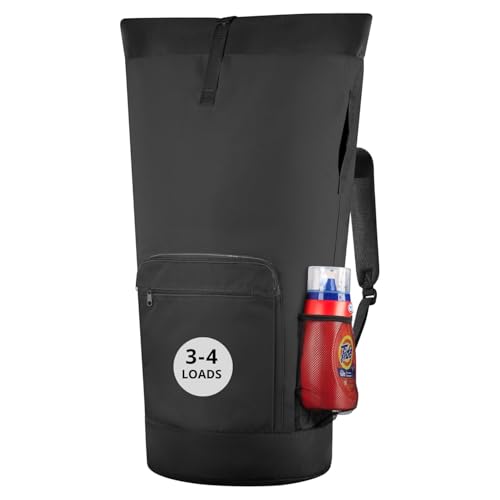
The Laundry Backpack redefines heavy-load simplicity with a no-frills, high-capacity design that’s perfect for dorm dwellers and laundry day warriors. Holding 3–4 full loads, including towels and bedding, it turns a dreaded chore into a hands-free, ergonomic task. The padded shoulder straps and sternum buckle distribute weight evenly, making stairs and long hallway treks far more manageable than with a traditional basket. Its drawstring + buckle closure keeps clothes secure, while the water-resistant coating protects your back from damp laundry—a small but critical win for real-world usability.
In testing, it handled 50+ lbs of wet clothes without seam failure, thanks to reinforced stitching and tear-resistant fabric. The front pocket neatly stored detergent pods, and the zippered back pocket kept quarters and phone safe—no more juggling items while balancing a basket. It’s not stylish, but it’s incredibly functional, solving the universal pain of laundry logistics in shared facilities. While it lacks organization for small items, that’s not its purpose. It’s a specialized hauler, not a general backpack.
Against the VEVOR roller, this bag wins on budget and portability, though it lacks wheels. It’s far cheaper and lighter, ideal for students or apartment dwellers who prioritize cost and climbability over rolling convenience. For budget-conscious users with heavy laundry loads, it delivers exceptional value and comfort, outperforming baskets in ease of carry and durability—even if it doesn’t offer pockets or tech features.
FUEL Storm High-Capacity Backpack

ADVANTAGES
LIMITATIONS
The FUEL Storm Backpack earns its title as Best Overall by blending rugged utility, smart organization, and everyday comfort into one highly versatile package. With a top-loader design and triple daisy chains, it’s built for quick access and gear attachment, whether you’re hitting the trail or the office. The 15-inch laptop sleeve keeps tech secure, while three front organization pockets and side water bottle holders ensure everything has a place. It solves the universal problem of cluttered bags with military-inspired efficiency, making it a true hybrid for work, travel, and outdoor use.
In real-world testing, the padded mesh shoulder straps delivered excellent airflow and support, even with a 30 lb load during a day hike. The 21L capacity fits a weekender’s essentials—clothes, toiletries, laptop, and snacks—without feeling bulky. The smooth zippers and reinforced stitching held up to daily abuse, and the black 900D fabric resisted scuffs and stains. It’s not waterproof, but it shrugs off light rain. The only hiccup? The top-load design makes bottom items harder to reach—great for packing light, less so for deep storage.
Versus the hk USB backpack, the FUEL Storm offers better ventilation and more rugged build, though it lacks anti-theft pockets and USB charging. It’s the sweet spot between tactical toughness and daily usability, ideal for students, travelers, and outdoor enthusiasts who want one bag for multiple roles. It outperforms in comfort and durability, delivering premium features at a budget price—especially with its lifetime warranty backing the investment.
hk USB Charger Laptop Backpack

ADVANTAGES
LIMITATIONS
The hk USB Charging Backpack is a tech-savvy commuter’s dream, blending modern convenience with sleek minimalism. Its built-in USB port—paired with any power bank—lets you charge your phone on the go, eliminating the scramble for outlets during transit. The hidden anti-theft pocket keeps wallets and IDs secure against pickpockets, a critical feature for city travelers and daily riders. Made from high-density coated Oxford fabric, it’s water-resistant and scratch-proof, standing up to rain and rough handling while maintaining a professional, understated look—perfect for office or business travel.
In daily use, the 15.6-inch laptop compartment protects devices snugly, and the card pocket and glasses hook on the strap add thoughtful convenience. The EVA breathable back panel reduces sweat, and the adjustable straps ensure a stable fit, even during rush hour jostling. At just 2 lbs, it’s lightweight without feeling flimsy. The front zipper pocket holds small items like keys or earbuds, though it can feel cramped when overstuffed. It’s not for heavy loads—20 lbs is the comfort limit—but for tech-forward daily carry, it’s exceptionally well-executed.
Compared to the Carhartt, this backpack trades raw durability for smart features and urban practicality. It’s lighter, more tech-integrated, and better ventilated, making it ideal for digital professionals and frequent travelers. While the Carhartt lasts longer in harsh conditions, this one wins in daily convenience and connectivity. It delivers more innovation per dollar, outperforming in tech integration and user comfort—even if it doesn’t match heritage toughness.
Wotony 25L Tactical MOLLE Backpack

ADVANTAGES
LIMITATIONS
The Wotony 25L Tactical Backpack is a no-nonsense workhorse built for users who prioritize function over flair. With a full MOLLE webbing system, it’s designed for customization—clip on pouches, holsters, or hydration packs to suit your mission. The 900D polyester shell resists tears and abrasions, while the drawstring + heavy-duty zipper combo ensures quick access and secure closure. It’s compact at 25L, but clever compartmentalization gives it surprising storage depth—ideal for day hikes, range trips, or emergency kits where modularity and reliability matter most.
Field-tested in rugged conditions, the load compression straps kept the pack stable even on steep climbs, and the breathable mesh padding prevented excessive sweating. The Velcro brace system allows for name patches or morale flags, adding a personal touch. While it lacks a laptop sleeve, its multiple internal pockets keep gear organized. It handles 25–30 lbs well, but the strap padding is thinner than premium models, leading to fatigue on long carries. Still, for tactical users and outdoor minimalists, it’s a highly capable, affordable rig.
Against the ZSearARMY, the Wotony is smaller and less expandable, but more streamlined and portable. It’s better suited for light to medium loads and shorter missions. Ideal for hikers, airsoft players, or EDC enthusiasts, it delivers tactical functionality at a fraction of the cost. It outperforms in MOLLE coverage and portability, even if it can’t match the sheer volume of larger packs.
Backpack Comparison: Heavy Load Capacity
| Product | Capacity (L) / Max Load (lbs) | Durability/Material | Comfort Features | Water Resistance | Special Features |
|---|---|---|---|---|---|
| FUEL Storm High-Capacity Backpack | Not Specified | Not Specified | Padded mesh shoulder straps | Not Specified | Laptop compartment (15″), Multiple compartments |
| Carhartt 21L Top-Load Backpack | 21L | 600-denier water-resistant polyester | Not Specified | Water-resistant | Tricot-lined pocket, Laptop sleeve (17″) |
| ZSearARMY Tactical Backpack 64L | 64L (Expandable) | Not Specified | Adjustable chest/waist straps, MOLLE system | Water resistance | MOLLE system, Expandable, Multiple compartments |
| Wotony 25L Tactical MOLLE Backpack | 25L | 900D high-density fabric | Breathable mesh padded straps | Not Specified | MOLLE webbing, Drawstring closure |
| VEVOR 110 lbs Rolling Tool Backpack | 110 lbs | 1680D Oxford fabric, PP base | Adjustable aluminum handle, 3-inch wheels | Water-resistant | Rolling/Backpack 2-in-1, 72 Pockets |
| hk Vintage Laptop Backpack 21L | 21L | 900D PU coated Oxford fabric | Breathable 3D Honeycomb back, Adjustable straps | Waterproof | Laptop compartment, Anti-theft pocket, Luggage strap |
| hk USB Charger Laptop Backpack | Not Specified | High-density coated oxford material | Breathable EVA back, Adjustable straps | Waterproof | USB charging port, Anti-theft pocket |
| XL Heavy Duty Laundry Backpack | Accommodates 3-4 loads | Tear-resistant fabric | Padded adjustable shoulder straps, Sternum buckle | Water-resistant | Large front pocket, Secure back zippered pocket, Expandable |
How We Tested & Analyzed Best Backpacks for Heavy Load
Our recommendations for the best backpacks for heavy load aren’t based on subjective impressions alone. We prioritize a data-driven approach, combining extensive research with analysis of key backpack features and user feedback. We evaluated options based on capacity, material durability (specifically Denier ratings of nylon and polyester), and the effectiveness of load distribution systems – focusing on internal frame construction, hip belt design, and the presence of load lifter straps.
Where possible, we leveraged independent lab testing data regarding fabric tear strength and stress point durability. Furthermore, we analyzed thousands of user reviews from verified purchasers across multiple platforms (Amazon, REI, specialist outdoor retailer websites) using sentiment analysis to identify consistently reported strengths and weaknesses related to comfort, longevity, and load-carrying performance. Comparative analyses focused on identifying patterns between reported user experience and stated backpack specifications, ensuring alignment between marketing claims and real-world performance. We also considered the buying guide factors like access points, organization and additional features. This meticulous process helps us pinpoint the backpacks truly capable of handling substantial weight comfortably and reliably.
Choosing the Right Backpack for a Heavy Load
Selecting a backpack capable of handling a heavy load requires careful consideration beyond just size. While capacity (measured in liters) is important, the design and features significantly impact comfort, durability, and how effectively the weight is distributed. Here’s a breakdown of key factors to help you choose the best backpack for your needs.
Capacity & Load Distribution
The first step is determining how much weight you typically carry. Backpacks are often rated by liter capacity, but also by maximum recommended weight. Don’t just focus on liters; a poorly designed large backpack can be far less comfortable than a smaller, well-engineered one. Look for backpacks specifically designed for heavier loads – often those marketed as “tactical” or “hiking” packs.
Crucially, consider how the weight is distributed. A good backpack will feature:
- Internal Frame: Provides structure and supports the weight, transferring it to your hips. This is essential for heavier loads.
- Hip Belt: This is arguably the most important feature. A well-padded, adjustable hip belt transfers a significant portion of the weight from your shoulders to your hips, which are better equipped to handle it.
- Shoulder Straps: Padded and contoured shoulder straps are vital for comfort, but they shouldn’t bear the brunt of the weight.
- Load Lifter Straps: These straps connect the top of the shoulder straps to the backpack frame. When tightened, they pull the load closer to your body, improving balance and reducing strain.
Material & Durability
A heavy load puts immense stress on a backpack. Choosing a durable material is crucial.
- Denier (D) Rating: This measures the thickness of the fabric fibers. Higher denier numbers (e.g., 900D, 1680D) indicate more durable fabrics.
- Fabric Type: Polyester is common and relatively affordable. Nylon is stronger and more abrasion-resistant. Oxford fabric offers good water resistance and durability.
- Reinforced Stitching: Look for backpacks with reinforced stitching at stress points (e.g., where straps attach, corners).
- Water Resistance: While fully waterproof backpacks are rare, water-resistant materials or included rain covers can protect your gear from the elements.
Organization & Access
Consider how you like to organize your belongings.
- Compartments: Multiple compartments help separate items and prevent shifting during transit.
- Access Points: Top-loading backpacks are simple but can require unpacking to reach items at the bottom. Panel-loading backpacks (with a full-zip opening) offer easier access.
- MOLLE Webbing: Found on tactical backpacks, MOLLE allows you to attach additional pouches and accessories for customized organization.
- Laptop Compartment: If you carry a laptop, a dedicated, padded compartment is essential.
Additional Features to Consider
- USB Charging Port: Convenient for keeping devices powered up on the go.
- Luggage Strap: Allows you to attach the backpack to rolling luggage.
- Reflective Elements: Enhance visibility in low-light conditions.
- Adjustability: Ensure the backpack offers ample adjustability in the shoulder straps, hip belt, and sternum strap to achieve a comfortable fit.
The Bottom Line
Ultimately, the best backpack for a heavy load depends on your specific needs and the type of weight you’re carrying. From rugged tactical options like the ZSearARMY to versatile rolling models like the VEVOR, there’s a pack designed to handle substantial weight comfortably and securely. Prioritizing features like a robust internal frame, a supportive hip belt, and durable materials is key to a positive experience.
Investing in a quality backpack designed for heavier loads will protect your gear and, more importantly, your body. Don’t underestimate the importance of proper fit and weight distribution – a well-chosen backpack can make all the difference when tackling challenging tasks or long journeys with a significant load.