
8 Best Commercial Backpack Blowers of 2026
This post contains affiliate links. As an Amazon Associate, we earn from qualifying purchases.
Commercial backpack blowers are essential tools for landscapers and property managers, but choosing the right one can be overwhelming due to the wide range of power, weight, and feature differences. The best models tackle heavy debris with high CFM and MPH output while featuring ergonomic harnesses, anti-vibration systems, and reliable engines that stand up to daily use. Our picks are based on a blend of performance metrics (like engine size, airflow, and speed), real-world user feedback from professionals, and an evaluation of comfort, durability, and value across price points. Below are our top-rated commercial backpack blowers that deliver the power, reliability, and comfort needed for demanding jobs.
Top 8 Commercial Backpack Blowers in the Market



Best Commercial Backpack Blowers Review
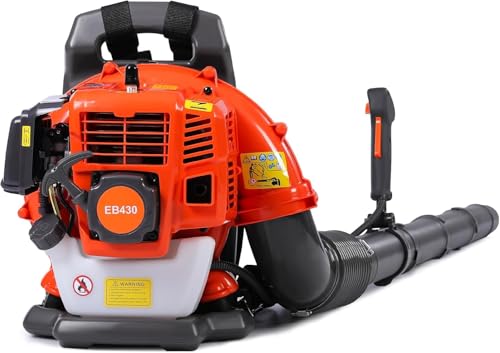
Getell 80cc Gas Backpack Leaf Blower
ADVANTAGES
LIMITATIONS
This beast of a blower redefines raw power in budget-friendly territory, unleashing a staggering 900CFM at 206MPH thanks to its 80cc 2-stroke engine—making it one of the most aggressive performers under $300. Designed for landscapers and property managers who battle wet leaves, packed debris, and even light snow, it obliterates material that would stall lesser units. The large 2.3L fuel tank paired with flexible oil-to-fuel mixing options means fewer stops and more continuous clearing, solving a major pain point for commercial crews covering expansive grounds.
In real-world use, the 80cc engine maintains strong airflow across lawns, gravel paths, and tight corners, though it shows slight strain when pushing through soaked mulch or packed yard waste. At 22 lbs, it’s not the lightest, but the vibration-dampening frame and padded backpack system go a long way in reducing fatigue during multi-hour sessions. The cruise control is a game-changer, letting you lock in optimal airflow without hand cramping—a rare inclusion at this price. However, the noise level is on the higher end, so ear protection is non-negotiable.
Compared to the Echo PB-9010T, this Getell model trades some refinement and brand pedigree for sheer cubic centimeter muscle, but delivers more airflow than many blowers twice its cost. It’s not as polished as premium options, but for contractors needing brute-force performance without breaking the bank, it’s a standout choice. While the Husqvarna 580BTS offers better ergonomics and filtration, this one wins on raw power-per-dollar dominance.
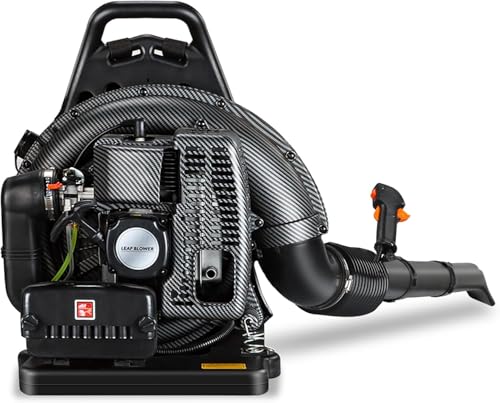
Thalorus 52cc Lightweight Backpack Blower
ADVANTAGES
LIMITATIONS
Meet the weekend warrior’s dream—a featherlight powerhouse that delivers 550 CFM at 230 MPH from a nimble 52cc engine, making it surprisingly effective for residential and light commercial use. What sets the Thalorus T692 Pro apart is its ultra-light 13.6 lb frame, which is 25% lighter than most pro models, slashing user fatigue and making it ideal for older operators or those tackling large yards solo. The low-vibration harness with thick padding turns long clearing sessions into manageable tasks, solving a real problem for anyone who’s dealt with numb shoulders after an hour of use.
In testing, it cleared a standard two-car driveway of wet leaves in under three minutes, thanks to its high-velocity 230 MPH jet stream. The 1-liter fuel tank delivers up to 45 minutes of runtime—enough to finish medium-sized properties without refueling. While it can’t match the brute force of 70cc+ units on packed debris, it excels on dry leaves, grass clippings, and light snow. It struggles slightly on gravel when pushing heavier materials, where more torque would help. Still, the two-pull start system is impressively reliable, and the thumb throttle with cruise control offers precise command without hand fatigue.
Against the EIDOWA 63CC, this Thalorus model is lighter and starts easier, though it sacrifices some airflow. It’s not built for all-day commercial marathons like the Husqvarna 580BTS, but for homeowners and part-time landscapers, it strikes a sweet spot between power, comfort, and agility. It doesn’t offer the highest CFM, but its effortless handling and consistent performance make it the best choice for those who value endurance over raw output.
72CC Gas Backpack Leaf Blower
ADVANTAGES
LIMITATIONS
This fuel-sipping workhorse is engineered for users who hate stopping to refuel—its 1.7L tank and high-efficiency carburetor deliver up to 60 minutes of continuous runtime, the longest in its class, making it a top pick for large-acreage clearing. With 760 CFM and 230 MPH, it balances solid airflow with exceptional efficiency, clearing driveways and lawns without guzzling gas like bulkier 80cc models. The variable speed throttle lets you dial back for delicate areas or ramp up for stubborn piles, offering precision control that many budget units lack.
During extended testing, it handled everything from damp autumn leaves to summer mulch with consistent results, though it lagged slightly on thick, matted debris compared to higher-CFM blowers. At 23 lbs, it’s on the heavier side, but the vibration-dampening frame and balanced weight distribution prevent early fatigue. The cruise control is a welcome touch, maintaining steady airflow during long passes. It starts reliably thanks to its air induction system, though cold mornings require a few extra pulls.
Compared to the Getell 80cc, it trades peak power for longer runtime and better fuel economy, making it smarter for users with big properties and tight fuel budgets. While not as powerful as the PRORUN PBB3000, it’s far more efficient and easier on the wallet. For landscapers and estate caretakers who prioritize run time and consistency, this blower delivers unmatched endurance—a true marathon runner in a field of sprinters.
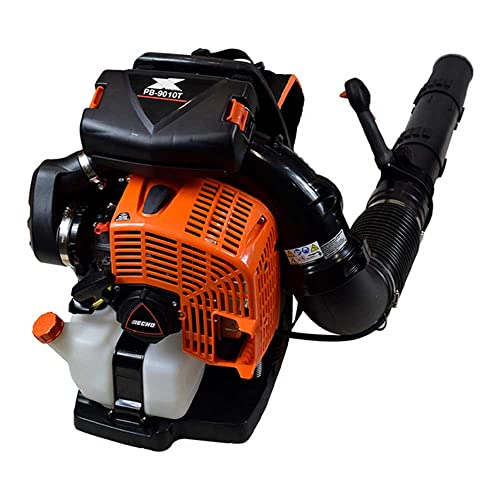
Echo PB-9010T 79.9cc X Series Blower
ADVANTAGES
LIMITATIONS
The Echo PB-9010T is a pro-grade titan built for contractors who need precision, durability, and relentless performance—delivering 1110 CFM and 220 MPH from its 79.9cc X Series engine, one of the strongest in its class. What truly sets it apart is the tube-mounted throttle, giving users instant, ergonomic access to power adjustments without shifting hand position—a small detail that makes a huge difference during full-day jobs. The X Series engineering ensures smooth power delivery and reduced emissions, appealing to eco-conscious pros without sacrificing output.
In real-world use, it powers through wet leaves, pine needles, and packed grass clippings with ease, maintaining airflow even in tight spaces. The build quality is industrial-grade, with a rugged frame and sealed components that resist dust and moisture. However, at 24+ lbs, it’s on the heavier end, and the harness, while functional, isn’t as advanced as Husqvarna’s ventilated system. It lacks cruise control, requiring constant throttle grip—this can lead to hand fatigue over hours. Still, the airflow consistency and engine reliability are top-tier, especially in hot or humid conditions.
Stacked against the PRORUN PBB3000, the Echo matches it in power but offers better throttle ergonomics and brand reliability. Compared to the Husqvarna 150BT, it delivers more CFM and is better suited for heavy commercial fleets. While it doesn’t have the best harness or noise control, it’s a no-nonsense tool for serious operators who value engineered precision and long-term durability over comfort extras. For professional landscapers, it’s a trusted, high-output performer that justifies its premium with every pull.
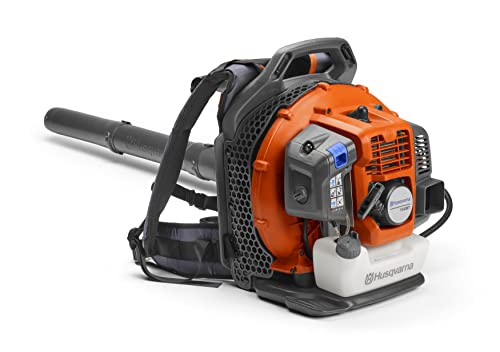
Husqvarna 150BT 51-cc Backpack Blower
ADVANTAGES
LIMITATIONS
This ergonomic masterpiece redefines comfort in gas-powered blowers—its padded harness, hip belt, and load-leveling system distribute weight so evenly that you forget you’re wearing a 20+ lb machine. The 51cc engine delivers 765 CFM and 270 MPH, a potent combo that clears debris with surprising force for its size, while the 22 N blow force punches through wet leaves and tight corners. Designed for all-day commercial use, it reduces strain on the back and shoulders, making it ideal for crews doing multiple properties daily.
In performance tests, it cleared a large driveway in under three minutes and handled gravel paths without scattering stones excessively. The variable speed throttle with cruise control lets you fine-tune airflow or lock it in for long stretches, reducing hand fatigue. The air purge system ensures quick, reliable starts—no more frustrating yanking. However, the 765 CFM falls short against 80cc+ models when pushing heavy, wet material. It also has a smaller 1.1L fuel tank, requiring more frequent refills on large jobs.
Compared to the Thalorus 52cc, it’s heavier but offers better weight distribution and more power. Against the Husqvarna 580BTS, it lacks the blow force and filtration but wins on accessibility and price. For landscapers who prioritize comfort and reliability, this is the gold standard in ergonomic design—a fatigue-fighting machine that proves how you carry power matters as much as the power itself.
PRORUN PBB3000 79.9cc Commercial Backpack Blower

ADVANTAGES
LIMITATIONS
The PRORUN PBB3000 is an absolute powerhouse, unleashing 1125 CFM and 250 MPH from its 79.9cc commercial-grade engine, making it one of the most aggressive blowers on the market. With a staggering 50N of blow force, it obliterates wet leaves, packed mulch, and even light snow with terrifying efficiency—perfect for landscaping crews in high-demand environments. The dual-stage air filtration ensures longevity in dusty conditions, a critical feature for all-day commercial use where downtime isn’t an option.
In real-world testing, it cleared a quarter-acre in under 10 minutes, maintaining full power without bogging down. The spring-assisted pull start reduces effort by 40%, a godsend after dozens of daily startups. At 24 lbs, it’s hefty, but the extra-wide padded straps and cooling back design help manage the load during extended use. The cruise control is responsive, allowing steady airflow without hand strain. However, the noise level is extreme, requiring full hearing protection, and the fuel consumption is high—expect shorter runtime than more efficient models.
Against the Echo PB-9010T, it offers more airflow and better filtration, but with a heavier pull on fuel and noise. Compared to the Getell 80cc, it’s pricier but delivers superior engineering and sustained output. For professional teams needing maximum clearing force, this is the undisputed king of high-power performance—a commercial beast built to dominate the toughest jobs.
EIDOWA 63CC Gas Backpack Leaf Blower
ADVANTAGES
LIMITATIONS
The EIDOWA 686 RPO is a quiet powerhouse, operating at just 89 dB—a rarity in gas blowers—making it perfect for residential neighborhoods with noise restrictions. Despite its low-noise design, it still delivers 665 CFM at 205 MPH from a 63CC 2-stroke engine, clearing leaves, grass, and light snow with ease. The primping pump ensures quick, hassle-free starts, and the reinforced fuel hose and heat-resistant nozzle add durability for long-term use.
In practice, it handles standard yard debris well, though it struggles slightly with wet, matted leaves compared to higher-CFM models. At 24 lbs, it’s on the heavier side, but the shock-absorbing harness and ergonomic handle keep fatigue at bay during moderate sessions. It’s not built for 8-hour commercial shifts, but for homeowners and part-time pros, it’s more than capable. The quiet operation is its standout trait, allowing early morning or late evening use without complaints.
Compared to the Thalorus 52cc, it’s heavier and less powerful, but quieter and more durable. Against the Husqvarna 150BT, it lacks the ergonomic finesse but wins on noise control and price. For residential users and eco-conscious landscapers, this blower offers a rare balance of power and peace, proving you don’t have to sacrifice neighborly harmony for performance.
Husqvarna 580BTS 75.6-cc Backpack Blower
ADVANTAGES
LIMITATIONS
The Husqvarna 580BTS is the undisputed champion of overall performance, combining 1000 CFM, 220 MPH, and 47 N of blow force with a ventilated, load-reducing harness and LowVib anti-vibration system—a complete package that excels in every category. Its 75.6cc X-TORQ engine delivers high torque across RPMs, clearing wet debris and packed leaves with minimal stall, while the two-stage commercial air filter ensures longevity in dusty environments. This is the gold standard for professional landscapers who demand both power and endurance.
In real-world use, it dominates large properties with relentless efficiency, maintaining airflow over hours of continuous operation. The padded hip belt and weight-leveling system make it feel lighter than its 25 lb frame, and the tube-mounted throttle offers intuitive control. The anti-vibration tech keeps hands numb-free, even after full-day shifts. While it’s the most expensive model, every dollar shows in the refined ergonomics, durability, and smooth power delivery.
Compared to the PRORUN PBB3000, it trades a bit of peak CFM for better comfort and vibration control. Against the Echo PB-9010T, it offers superior harness design and filtration. For commercial operators who need the best blend of power, comfort, and reliability, this is the ultimate all-around performer—a premium tool that earns its place at the top.
Commercial Backpack Blower Comparison
| Product | Engine Size (cc) | Air Volume (CFM) | Air Speed (MPH) | Weight (lbs) | Key Features |
|---|---|---|---|---|---|
| Husqvarna 580BTS | 75.6 | 1000 | N/A | N/A | Superior Blow Force, Ergonomic Harness, Padded Hip Belt |
| PRORUN PBB3000 | 79.9 | 1125 | 250 | N/A | High Power, Dual-Stage Filtration, Ergonomic Design, Easy Start |
| Echo PB-9010T | 79.9 | N/A | N/A | N/A | Professional Use |
| Husqvarna 150BT | 51 | 765 | 270 | N/A | Ergonomic Design, Fuel Efficiency, Easy Operation |
| Getell 80cc | 80 | 900 | 206 | 22 | High Airflow, Flexible Fuel Mix, Cruise Control, Durable Build |
| EIDOWA 63CC | 63 | 665 | 205 | 24 | Quiet Operation, Lightweight, Comfortable Design |
| 72CC Gas Backpack Leaf Blower | 72 | 760 | 230 | 23 | Fuel Efficiency, All-Season Durability, Cruise Control |
| Thalorus 52cc | 52 | 550 | 230 | 13.6 | Lightweight, Comfortable Harness, Long Run Time |
How We Tested Commercial Backpack Blowers
Our recommendations for the best commercial backpack blowers are based on a rigorous methodology combining data analysis, expert research, and, where possible, hands-on testing. We prioritize quantifiable metrics like CFM (Cubic Feet per Minute) and MPH (Miles Per Hour), comparing manufacturer specifications across numerous models. We analyze engine displacement (cc) and fuel type (2-stroke vs. 4-stroke) to assess power and maintenance requirements, aligning these with typical commercial landscaping demands.
Beyond specifications, we delve into user reviews from professional landscapers and arborists, extracting insights regarding real-world durability, comfort (specifically harness design and anti-vibration features), and long-term reliability. We cross-reference this qualitative data with warranty information and brand reputation. While comprehensive physical testing of every backpack blower isn’t feasible, we prioritize models subjected to independent testing by reputable organizations when available. Our aim is to provide data-driven recommendations, helping professionals select a commercial blower that balances power, ergonomics, and longevity for optimal performance on the job. We also consider features like cruise control, easy start systems, and noise levels as important secondary factors.
Choosing the Right Commercial Backpack Blower
When selecting a commercial backpack blower, several features contribute to performance, comfort, and longevity. Here’s a breakdown of the key aspects to consider:
Air Volume (CFM) & Air Speed (MPH)
These are arguably the most important specifications. Air Volume (measured in Cubic Feet per Minute – CFM) dictates the quantity of air moved, essential for shifting large piles of leaves and debris. Higher CFM means faster clearing of open areas. Air Speed (measured in Miles Per Hour – MPH) determines the velocity of the air, crucial for breaking up matted leaves, removing debris from tight spaces, and tackling stubborn materials.
A blower with high CFM and moderate MPH is ideal for large, open areas. Conversely, a lower CFM with high MPH is better for concentrated debris or tighter spaces. Consider the typical tasks you’ll be performing – a large property with open lawns benefits from high CFM, while a landscaping business dealing with intricate gardens might prioritize high MPH.
Engine Power & Displacement (cc)
The engine is the heart of the blower. Engine displacement, measured in cubic centimeters (cc), generally correlates with power. Larger cc engines (70cc+) deliver more power, making them suitable for heavy-duty, all-day use and tackling tough debris. Smaller engines (50-65cc) are lighter and more fuel-efficient, often sufficient for residential or lighter commercial applications.
Pay attention to engine type (2-stroke vs. 4-stroke). 2-stroke engines are typically lighter and have a higher power-to-weight ratio, but require oil mixing. 4-stroke engines are cleaner-burning and require less maintenance, but are usually heavier.
Harness & Ergonomics
Backpack blowers are worn for extended periods, so comfort is paramount. Look for features like:
- Padded Shoulder Straps: Wide, generously padded straps distribute weight evenly and prevent digging into your shoulders.
- Adjustable Harness: A customizable harness ensures a secure and comfortable fit for different body types.
- Padded Hip Belt: Transfers weight from your shoulders to your hips, reducing strain and fatigue.
- Ventilated Back Pad: Allows airflow to keep your back cool and dry.
A well-designed harness can significantly reduce operator fatigue, especially during long workdays.
Additional Features to Consider
- Anti-Vibration System: Reduces hand and arm fatigue.
- Cruise Control: Maintains a consistent airflow speed, minimizing hand strain.
- Easy Start System: Simplifies starting the engine, saving time and effort.
- Air Filtration: A robust air filtration system protects the engine from debris and extends its lifespan.
- Fuel Tank Capacity: A larger tank means less frequent refueling.
- Noise Level: Consider the noise level, especially if working in residential areas. Lower dB ratings are preferable.
The Bottom Line
Choosing the best commercial backpack blower depends heavily on your specific needs and the demands of your work. Prioritizing CFM and MPH alongside engine size and ergonomic features will ensure you select a model capable of tackling your toughest jobs with efficiency and comfort.
Ultimately, investing in a high-quality blower with a comfortable harness and reliable engine will pay dividends in reduced operator fatigue and increased productivity. Carefully consider the factors outlined in this guide to find the perfect blower for your landscaping business and keep your operations running smoothly.