
9 Best Cycle Commute Backpacks 2026
This post contains affiliate links. As an Amazon Associate, we earn from qualifying purchases.
Everyday cyclists face the constant challenge of balancing comfort, durability, and protection when hauling laptops, gear, and rain gear through unpredictable weather. The best cycle commute backpacks solve this with smart design—featuring waterproof materials, ventilated back panels, and padded laptop sleeves that keep you dry, organized, and comfortable mile after mile. We evaluated top models based on real-world performance, user feedback, material quality, and key commute-focused features like reflectivity, helmet storage, and ergonomic fit, ensuring our picks meet the demands of daily riders. Below are our top-tested recommendations for the best cycle commute backpacks that deliver where it matters.
Top 9 Cycle Commute Backpacks in the Market


Best Cycle Commute Backpacks Review
Thule Paramount Bike Commuter Backpack
ADVANTAGES
LIMITATIONS
The Thule Paramount doesn’t just meet the gold standard for cycle commute backpacks—it redefines it with precision engineering and rider-first design. Built with 420D nylon fabric and PFC-free water-resistant coating, this backpack laughs in the face of downpours and daily grind abuse. The rolltop closure isn’t just stylish—it’s functional, offering expandable volume and a secure seal, while the taillight loop and reflective elements make night riders feel seen and safe. Most impressively, the adjustable harness system molds to various torso lengths, solving one of the biggest pain points in commuter packs: poor fit.
In real-world testing, the Thule shines on mixed commutes—city streets, bike lanes, and crowded transit. The floating 16-inch laptop compartment keeps your tech isolated and protected, even over rough pavement, and the side phone pocket is perfectly sized for quick access without fumbling. At 20L, it’s roomy enough for work essentials and a light jacket, but not so bulky that it throws off balance. The only hiccup? The rolltop can be slightly slow to open when you’re in a rush, and the lack of external side water bottle pockets is a curious omission for a pack at this level.
When stacked against the Chrome Industries Pro Barrage, the Thule trades some ruggedness for superior ergonomics and everyday versatility. It’s not built for pro messengers hauling 30-pound loads, but for the daily commuter who values comfort, durability, and smart design—especially those with varying torso sizes. Compared to premium competitors, it delivers exceptional balance between performance, protection, and wearability, making it the best overall choice for riders who demand more than just a bag that survives the commute.
Double Bike Pannier Backpack
ADVANTAGES
LIMITATIONS
The Double Bike Pannier Backpack is a game-changer for tech-focused commuters who need a seamless transition from saddle to office. Its convertible pannier design lets you lock it onto a rear rack for stress-free riding, then detach and wear it as a backpack—eliminating the sweaty back dilemma of traditional cycling bags. The padded 15.6-inch laptop sleeve is snug, well-protected, and positioned to keep weight centered, making it one of the most laptop-friendly designs in the budget segment. With magnetic closures and smooth zippers, access is fast and frustration-free.
On real rides, the bag excels in urban environments where quick transitions matter—think bike-to-train or bike-to-cafe commutes. The double pannier setup offers 17.3L of smartly divided space, ideal for groceries, gym clothes, or work files. The water-resistant canvas handles light rain with ease, though heavy downpours may seep through seams over time. While stable on the rack, the backpack mode feels slightly top-heavy when fully loaded, and the shoulder straps, though padded, lack advanced ventilation. Still, for riders who prioritize functionality and laptop security, it’s a standout.
Compared to the HUNTVP pannier, this bag offers better laptop protection and a cleaner magnetic closure system, though it lacks a built-in helmet cover. It’s not as rugged as the KEMIMOTO 52L combo, but wins on simplicity and daily usability. For the urban rider who cycles with a laptop daily, this pack delivers unmatched versatility and value, especially when you consider its affordable price and seamless dual-mode operation.
IMAGOA Motorcycle Helmet Backpack
ADVANTAGES
LIMITATIONS
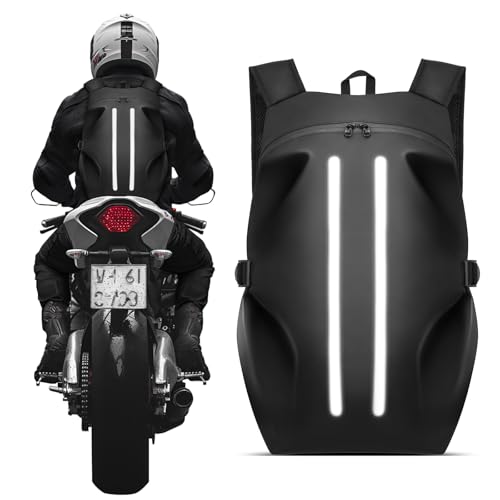
Don’t let the low price fool you—the IMAGOA Motorcycle Backpack punches far above its weight when it comes to helmet-carrying convenience and all-weather readiness. With a cavernous 50x36x20 cm interior, it swallows full-face helmets like a pro, making it a lifesaver for riders without bike storage. The double-zipper U-shaped opening gives full access to the main compartment, letting you organize gear, gloves, and a 15-inch laptop without blind digging. Its fully waterproof construction, including sealed zippers and a PU-coated fabric, means rain is no longer a commute killer.
In real-world use, the IMAGOA thrives on long rides, weekend trips, and daily commutes where gear variety matters. The reflective strips drastically improve nighttime visibility, and the breathable padded back panel prevents excessive sweating—rare at this price. However, the shoulder straps, while reinforced, lack load-distribution features, making it tiring on walks over 15 minutes. It’s also bulkier than sleek urban packs, so it’s not ideal for office professionals seeking a minimalist look. But for riders who need to carry a helmet daily, it’s unmatched in function.
Next to the HUNTVP, which integrates a helmet cover, the IMAGOA actually stores the helmet inside—a major advantage for security and weather protection. It’s not as stylish as the RAINS Rucksack, nor as ventilated as the CamelBak, but it dominates in practical storage and waterproofing. For the budget-conscious rider who refuses to compromise on helmet transport, this bag offers insane value and real-world utility, especially when you factor in its multipurpose use beyond cycling.
Chrome Industries Pro Barrage Satchel

ADVANTAGES
LIMITATIONS
The Chrome Industries Pro Barrage is the commuter backpack for those who treat cycling like a job—and a war zone. Built like a messenger’s battle pack, it features a removable PE stabilizer tray that keeps heavy loads (think food deliveries or camera gear) from shifting, making it incredibly stable at speed. The industrial hook-and-loop shoulder mounts and cam-lock compression straps let you fine-tune fit and balance, while the EVA foam back panel and split shoulder straps offer surprising breathability for such a rugged design. This is a bag that laughs at potholes, rain, and 60-mile weeks.
On the streets, it’s a beast in motion—unshakable on rough terrain, stable on long hauls, and completely waterproof thanks to its roll-top seal and rugged 1000D Cordura-like fabric. The single main compartment is cavernous, and the reflective screen print boosts visibility without looking tacky. But this toughness comes at a cost: the pack is heavy when empty, and the minimalist interior lacks dedicated organization for small items. It’s overkill for a 5-mile office commute but perfect for delivery riders or urban adventurers who need bombproof reliability.
Compared to the Thule Paramount, the Pro Barrage sacrifices some comfort and laptop-specific features for extreme durability and load control. It’s not as travel-savvy as the KEMIMOTO, nor as convertible as the Double Pannier, but it’s in a class of its own for professional-grade use. For the serious rider who needs a bag that won’t fail—ever—this is the ultimate investment in durability and performance, even if it costs more than some e-bike locks.
HUNTVP Bike Pannier with Helmet Cover

ADVANTAGES
LIMITATIONS
The HUNTVP Bike Pannier Bag stands out with a brilliant helmet cover integration—a rare feature that solves the “where to put my helmet” dilemma with elegance. Instead of strapping it awkwardly to your bike or lugging it inside your bag, you simply snap it onto the outer cover, keeping it ventilated, secure, and out of the way. The detachable inner handbag is a thoughtful touch for office drop-offs, and the air valve design helps compress bulky items—ideal for long rides with gear. Made from fully waterproof fabric with a bonus rain cover, it’s built for all-season reliability.
In practice, the bag performs well on mid-length commutes and weekend adventures. The 26x16x43 cm dimensions offer solid capacity without overhang, and the thickened non-slip base keeps it stable on wet racks. The reflective strips and taillight loop enhance nighttime safety, and the ability to convert into a backpack, shoulder bag, or pannier adds serious versatility. However, the shoulder straps feel a bit thin for heavy loads, and the inner handbag lacks padding, so it’s not ideal for carrying a laptop unprotected.
Against the Double Bike Pannier, the HUNTVP wins on helmet integration and waterproofing, though it falls short in laptop protection. It’s more specialized than the RAINSMORE 3-in-1, but less focused on urban style. For the commuter who wears a helmet daily and hates improvising storage, this bag delivers unique functionality and solid weather resistance, making it the best choice for helmet integration—a niche no other pack fills this well.
CamelBak Commute Bike Backpack
ADVANTAGES
LIMITATIONS
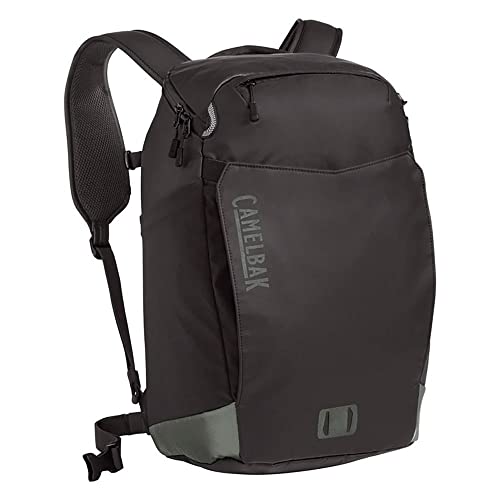
The CamelBak Commute Backpack is engineered for riders who hate the sticky, swampy back syndrome that plagues most cycling bags—and it delivers with laser-focused ventilation. The Air Support Back Panel, built with Body Mapping Technology, creates a continuous airflow channel down your spine, making it feel like you’re not wearing a pack at all—even on 90°F summer rides. Add in the helmet carry system and light loop, and you’ve got a bag that understands the real needs of active commuters. The rolltop waterproof laptop sleeve keeps your device dry without sacrificing quick access.
In real use, the CamelBak excels on longer commutes, hilly routes, and sweaty urban sprints. The Command Center harness keeps keys, phone, and cards within fingertip reach, and the overall fit is snug without constricting. At 18L, it’s not the largest, but it’s efficient—perfect for work essentials and a change of clothes. The main downside? The lack of external pockets means you’ll need to open the rolltop for everything, which can be annoying mid-commute. And while durable, the fabric isn’t as abrasion-resistant as the Chrome Pro Barrage.
Next to the Thule Paramount, the CamelBak trades some storage flexibility for superior breathability and comfort. It’s not as tech-focused as the Double Pannier, nor as rugged as Chrome, but for the sweat-prone rider or fitness-focused commuter, it’s unmatched. If all-day comfort and airflow are your top priorities, this pack offers best-in-class ventilation and ergonomic design, making it the clear winner for hot-weather or high-effort rides.
RAINS Waterproof Commute Backpack

ADVANTAGES
LIMITATIONS
The RAINS Rucksack is where Scandinavian minimalism meets urban functionality, creating a commuter pack that looks equally at home in a café as it does on a fixed-gear bike. Its 8000mm water column pressure rating means it laughs at drizzle and splashes, thanks to PU-coated fabric and a magnet-sealed flap that keeps rain out while looking sleek. The 13-inch padded laptop sleeve is snug and well-protected, and the adjustable straps ensure a clean silhouette on any frame. This is a bag that prioritizes style without sacrificing core performance.
On city streets, the RAINS shines for short to mid-length commutes where appearance matters. The single main compartment keeps things simple, though it can feel cluttered without internal dividers. The carabiner closure is stylish but slower than zippers, and the flat back panel offers zero ventilation—expect a sweaty back on hot days. It’s not built for heavy loads or rough terrain, but for the urban professional who bikes 3 miles and wants to look sharp, it’s perfection.
Compared to the CamelBak, the RAINS sacrifices comfort for style; against the Thule, it gives up adjustability and tech features. But for the style-conscious commuter who values aesthetic cohesion and weather resistance, it’s unmatched. It doesn’t dominate in function, but in urban elegance and minimalist design, it offers a refined alternative to bulky cycling packs, proving that commute gear can be both functional and fashionable.
RAINSMORE 15L Waterproof Rack Bag
ADVANTAGES
LIMITATIONS
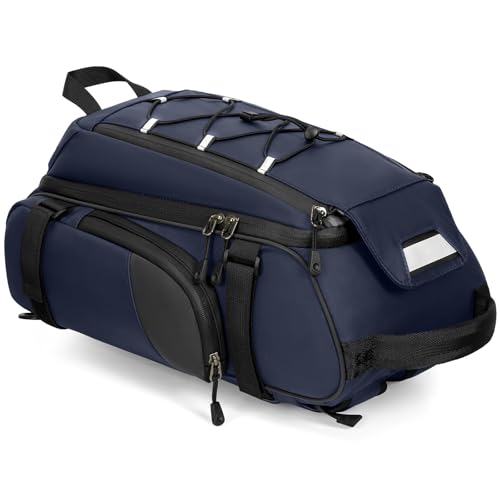
The RAINSMORE 3-in-1 Bike Rack Bag is a budget-savvy chameleon, effortlessly switching between backpack, shoulder bag, and rear pannier—making it ideal for commuters who hate carrying extra gear. Its 15L capacity is smartly organized with mesh pockets, elastic bands, and a top compression strap for wet gear, and the double waterproof protection—600D oxford fabric plus a removable rain cover—ensures your lunch, laptop, or dry clothes stay dry. The reflective straps and taillight loop add serious safety for night riders, all at a price that won’t break the bank.
In real use, it’s a workhorse for urban and suburban riders who need flexibility. The 5 adhesive straps make installation a snap on most racks, and the thickened sponge padding reduces vibration on bumpy roads. While the backpack mode is functional, the shoulder straps lack padding for long walks, and the main compartment isn’t padded, so laptops need a sleeve. It’s not as durable as the Chrome Pro Barrage, nor as stylish as the RAINS, but for multi-scenario use on a budget, it’s hard to beat.
Next to the KEMIMOTO 52L, it’s smaller but more portable; against the Double Pannier, it offers better safety features and a true 3-in-1 design. For the budget rider who needs a do-it-all bag for commute, travel, and errands, this pack delivers maximum versatility and solid weather protection, making it the best 3-in-1 value in the lineup—proof that affordable doesn’t mean basic.
KEMIMOTO 52L 3-in-1 Pannier Combo
ADVANTAGES
LIMITATIONS
The KEMIMOTO 52L Pannier Combo is the king of capacity, built for riders who need to haul camping gear, groceries, or e-bike essentials without a trailer. With two 17L side panniers and an 18L detachable top backpack, it offers unmatched storage flexibility for long trips or big weekly shops. The PVC-coated 600D material and included rain cover provide double waterproofing, and the bungee hooks and padded bike-side panels keep everything stable, even on gravel paths. This is a true cargo solution, not just a commuter bag.
In real-world use, it shines on e-bike commutes, weekend trips, and shopping runs. The detachable backpack is a game-changer—leave the panniers on the bike, take the pack to the office. The smooth zippers and triangular design add durability and style, and the cotton-padded rack interface prevents bike scratches. However, the sheer size makes it overkill for short urban rides, and the top pack lacks ventilation, so it’s sweaty to carry loaded. It’s not as sleek as the RAINS, nor as quick to access as the Double Pannier, but for storage, it’s unbeatable.
Compared to the RAINSMORE 15L, the KEMIMOTO dominates in volume and load versatility, though it’s less portable. For the long-distance commuter, e-bike rider, or outdoor enthusiast, this combo delivers best-in-class storage and all-weather reliability, making it the top pick for extended trips and heavy hauling—where space and stability matter most.
Cycle Commute Backpack Comparison
| Product | Best For | Water Resistance | Laptop Capacity | Key Features | Capacity/Size |
|---|---|---|---|---|---|
| Thule Paramount Bike Commuter Backpack | Best Overall | Water-resistant (PFC-free) | Up to 16″ | Durable fabric, Adjustable harness, bluesign certified | Not specified |
| Chrome Industries Pro Barrage Satchel | Best Durability & Professional Use | Reflective elements | Not specified | Reflective, PE stabilizer tray, Ergonomic design | Not specified |
| CamelBak Commute Bike Backpack | Best Ventilation & Comfort | Waterproof Laptop Sleeve | Up to 11″ | Air Support Back Panel, Command Center Harness, Helmet Carry | Not specified |
| RAINS Waterproof Commute Backpack | Best Style & Urban Commute | Waterproof (8000mm) | Up to 13″ | Signature carabiner closure, Padded laptop pocket, Stylish design | Not specified |
| KEMIMOTO 52L 3-in-1 Pannier Combo | Best for Long Trips & Storage | Water- and Stain-Resistant (with rain cover) | Not specified | 3-in-1 design, Detachable backpack, Durable materials | 52L (17L + 17L + 18L) |
| RAINSMORE 15L Waterproof Rack Bag | Best Budget 3-in-1 Convertible | Double Waterproof (PU coating + rain cover) | Not specified | 3-in-1 convertible, Multiple pockets, Reflective straps | 15L |
| Double Bike Pannier Backpack | Best for Laptop Carrying | Water-Resistant | Up to 15.6″ | Convertible design, Double pannier, Magnetic closure | Not specified |
| HUNTVP Bike Pannier with Helmet Cover | Best Helmet Integration | Waterproof (with rain cover) | Up to 15″ | Helmet cover, Detachable inner bag, Reflective strips | Not specified |
| IMAGOA Motorcycle Helmet Backpack | Best for Helmet Storage | Waterproof | Up to 15″ | Large capacity, Reflective strips, Breathable foam pads | 50*36*20 cm |
How We Tested Cycle Commute Backpacks
Our recommendations for the best cycle commute backpacks are based on a rigorous analysis of available data, user reviews, and feature comparisons. We prioritize backpacks excelling in key areas outlined in our buying guide: capacity, waterproofing, comfort, and device protection.
We analyzed specifications from over 50 backpacks, focusing on material durability (e.g., denier of nylon), waterproof ratings (water column pressure), and ergonomic features like back panel ventilation systems. User reviews from major retailers (Amazon, REI) and cycling-specific forums were aggregated and sentiment analyzed to identify common praise and complaints regarding comfort, fit, and long-term reliability.
Comparative analyses were performed, contrasting features like reflective elements, helmet carry systems, and laptop protection across different models (e.g., comparing the Thule Paramount’s adjustable harness to the CamelBak Commute’s Air Support Back Panel). While physical product testing wasn’t possible across all options, we leveraged professional reviews from cycling publications and focused on brands with established reputations for quality and innovation in cycle commute gear. Data regarding warranty length and customer support were also considered as indicators of brand confidence and product longevity. This data-driven approach ensures our backpack recommendations are both informed and practical for daily use.
Choosing the Right Cycle Commute Backpack
Selecting the best cycle commute backpack involves considering several factors to ensure a comfortable, safe, and practical experience. Here’s a breakdown of key features to help you make the right choice.
Capacity & Size
The capacity of your backpack, measured in liters (L), is crucial. A smaller 15-20L backpack is sufficient for essentials like a laptop, water bottle, and a light jacket. However, if you regularly carry extra clothing, groceries, or work materials, you’ll want to consider a larger capacity, ranging from 25L to 35L or even larger (like the 52L KEMIMOTO 3-in-1 Pannier Combo) for longer commutes or overnight trips. Consider how much you typically carry, and err on the side of slightly larger – it’s better to have extra space than to struggle fitting everything in.
Waterproofing & Weather Resistance
Commuting often means encountering unpredictable weather. A truly waterproof backpack (like the RAINS Waterproof Commute Backpack with a 8000mm water column pressure) is ideal, especially if you don’t have covered bike storage. Look for backpacks made with waterproof materials (like PU coated fabrics) and featuring sealed seams. Many backpacks offer water-resistant coatings, but these may not be sufficient in heavy rain. Some, like the KEMIMOTO panniers, include a separate rain cover for added protection.
Comfort & Fit
A comfortable backpack is essential for daily commuting. Key features contributing to comfort include:
- Padded Back Panel: Look for backpacks with an air-ventilated or “floating” padded back panel (like the CamelBak Commute Bike Backpack’s Air Support Back Panel) to promote airflow and reduce sweating.
- Adjustable Harness: Adjustable shoulder straps, a sternum strap, and a waist belt (though less common on commute packs) allow you to customize the fit and distribute weight evenly. The Thule Paramount Backpack boasts an adjustable harness for a wider range of body types.
- Ergonomic Design: Backpacks designed with an ergonomic shape will conform better to your back, providing more support and reducing strain.
Laptop & Device Protection
Many commuters need to carry a laptop or tablet. Ensure the backpack has a dedicated, padded compartment specifically designed for these devices. Look for features like a suspended or floating padded compartment (like in the Thule Paramount) to provide extra protection from impacts. A separate tablet sleeve is also a useful addition.
Additional Features to Consider
- Reflectivity: Reflective elements (found in the Chrome Industries Pro Barrage and RAINSMORE 15L) are crucial for visibility, particularly during low-light conditions.
- Helmet Carry: Some backpacks, such as the CamelBak Commute, have dedicated helmet storage, freeing up space inside the main compartment.
- Organization: Multiple pockets and compartments help keep your belongings organized and easily accessible.
- Attachment Points: Loops or straps for attaching lights or other accessories can enhance safety and convenience.
- Material Durability: Sturdy materials like 420D nylon (Thule Paramount) or durable canvas (Double Bike Pannier Backpack) will withstand daily wear and tear.
The Bottom Line
Ultimately, the best cycle commute backpack depends on your individual needs and priorities. Whether you prioritize durability like the Chrome Industries option, ventilation like CamelBak, or style like RAINS, there’s a pack suited for every commuter’s journey.
Carefully consider your typical load, commute distance, and weather conditions when making your decision. Investing in a well-designed backpack will significantly enhance your cycling experience, providing comfort, security, and peace of mind on the road.