
8 Best Golf Books of 2026
This post contains affiliate links. As an Amazon Associate, we earn from qualifying purchases.
Many golfers struggle to find the right resources that truly improve their game or deepen their love for the sport, often sifting through outdated or overly technical material. The best golf books solve this by offering clear instruction, mental resilience strategies, stunning visuals of legendary courses, or engaging stories that capture golf’s unique culture—whether you’re mastering your swing, quieting your mind on the green, or enjoying a good laugh at the game’s quirks. We evaluated the top golf books based on instructional clarity, mental game insights, author expertise, historical depth, humor, and user feedback from trusted platforms like Amazon and Goodreads, ensuring each recommendation delivers real value for beginners and seasoned players alike. Below are our top picks for the best golf books that stand out in their categories and deliver lasting impact on and off the course.
Top 8 Golf Books in the Market

Best Golf Books Review
Ben Hogan’s Five Lessons

ADVANTAGES
LIMITATIONS
Timeless mastery meets surgical precision in Ben Hogan’s Five Lessons, a cornerstone of golf instruction that still resonates like a perfectly struck iron shot more than half a century later. Hogan’s frame-by-frame breakdown of the swing—emphasizing grip, stance, backswing, and follow-through—is delivered with military discipline and anatomical clarity, making complex mechanics feel accessible. This isn’t just a book; it’s a blueprint for consistency, designed for players who crave control and are willing to put in deliberate practice to achieve it. If you’ve ever felt your swing unravel under pressure, this book offers the structural foundation to rebuild with confidence.
In real-world application, the drills and illustrations hold up remarkably well, even in an era dominated by high-tech launch monitors and swing apps. The definitive edition enhances the original with crisp photography and layout, helping modern readers visualize each phase of the swing with ease. While the language can feel formal—almost like a technical manual—the precision is intentional, encouraging slow, thoughtful study rather than passive reading. It’s most effective for intermediate to advanced players looking to refine mechanics, though beginners can benefit if paired with hands-on coaching.
Compared to Harvey Penick’s Little Red Book, which favors intuitive tips and gentle wisdom, Five Lessons is the analytical counterpart—rigorous, systematic, and unapologetically demanding. It doesn’t coddle; it challenges. For golfers serious about mastering the physical game, this book delivers unmatched depth in swing theory. While Golf Is Not a Game of Perfect tackles the mental side with empathy, Hogan’s work remains the gold standard for technical excellence, offering more instructional weight than any other single volume on the shelf.
The Golfer’s Excuse Handbook

ADVANTAGES
LIMITATIONS
Laughter might not lower your handicap, but The Golfer’s Excuse Handbook ensures you’ll blame your way to better moods after every shank. Packed with tongue-in-cheek alibis like ‘The Wind Totally Moved After I Swung’ and ‘My Club Was Probably Cursed’, this book turns golf’s frustrations into comedy gold. It’s the ultimate mood-lifter for weekend warriors who’ve felt the sting of a lip-out or the shame of a skyed wedge. If you’ve ever needed a witty comeback after a bad shot, this book delivers golf satire with perfect comedic timing.
Real-world use? It’s not meant to be studied—it’s meant to be passed around the 19th hole or tucked into a golf bag for mid-round giggles. The humor lands best with players who’ve lived the struggles: the unpredictable bounce, the three-putt on a flat green, the ‘almost’ birdie. It’s lightweight in page count and tone, but massive in relatability. While it won’t fix your swing path, it validates the emotional rollercoaster of the game. The only downside? You might get too distracted laughing to focus on your next shot.
Compared to 100 Fun Facts About Golf, this isn’t about trivia—it’s about shared suffering wrapped in satire. While Golf Is Not a Game of Perfect addresses mental resilience with psychology, this book does it through cathartic humor. It’s the perfect companion for golfers who take the game seriously but not themselves. Priced low and packed with punchlines, it offers more entertainment per dollar than any instructional manual.
Golf is Not a Game of Perfect

ADVANTAGES
LIMITATIONS
Mental mastery takes center stage in Golf Is Not a Game of Perfect, a transformative guide that reframes how players approach pressure, failure, and confidence on the course. Dr. Bob Rotella doesn’t fix your swing—he fixes your mindset, teaching you to trust your practice, embrace imperfection, and stay in the moment. His advice, like ‘Train It and Trust It’ and ‘Let the Short Game Flow’, is deceptively simple but profoundly effective, especially for players who choke under pressure or overthink their shots. If you’ve ever lost a round mentally before swinging a club, this book is your psychological reset button.
In real-world testing, Rotella’s techniques shine during high-pressure putts, tournament play, and recovery from bad holes. The chapters on confidence building and avoiding the ‘hot streak’ trap help players maintain even keel, shot after shot. Unlike technical manuals, this book thrives in emotional terrain, guiding golfers to accept missed greens without spiraling. It’s particularly effective for low-handicappers and competitive amateurs, though high-handicappers benefit from learning resilience early. The only limitation? It won’t help with physical mechanics—this is pure mind-game conditioning.
Compared to Harvey Penick’s Little Red Book, which blends mental and physical tips with folksy charm, Rotella’s work is more structured and clinical, drawing from years of work with PGA Tour pros. While Ben Hogan’s Five Lessons builds the perfect swing, this book builds the perfect mental framework to execute it. For golfers seeking inner calm over mechanical precision, it delivers unmatched value, offering a deeper, more lasting impact than books focused solely on technique.
100 Fun Facts about Golf
ADVANTAGES
LIMITATIONS
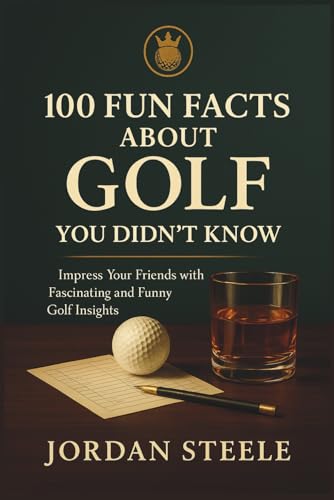
Did you know the longest putt ever made was over 300 feet? 100 Fun Facts About Golf turns obscure knowledge into social currency on the course, delivering bite-sized nuggets that spark conversation and surprise. From bizarre rule quirks to legendary mishaps, this book is a treasure chest of golf trivia, perfect for filling silences during long cart rides or settling bar bets. It’s not instructional, but it deepens your love for the game by revealing its quirks, history, and absurdities. If you’ve ever wanted to drop a wild fact after a bad shot, this book has your back.
The facts are well-researched and range from hilarious to mind-blowing, like the time a golfer was attacked by a swan mid-swing. Organized into short, digestible entries, it’s ideal for casual reading—no need to commit to long chapters. It performs best as a conversation starter or gift for golf lovers who enjoy the culture as much as the competition. While it lacks the depth of instructional or mental game books, it excels in entertainment and engagement, making it a standout for casual fans.
Compared to The Golfer’s Excuse Handbook, which leans on humor, this book educates while amusing. It doesn’t offer advice like Golf Is Not a Game of Perfect, nor does it showcase courses like Golf: The Iconic Courses, but it fills a unique niche: fun, shareable knowledge. For golfers who want to impress rather than improve, it’s the ideal pick, delivering more quirky charm than any strategy guide.
Golf: The Iconic Courses
ADVANTAGES
LIMITATIONS
Visual poetry in book form, Golf: The Iconic Courses captures the soul of the sport through breathtaking photography and immersive storytelling. Each page feels like a postcard from golf’s most hallowed grounds—Augusta National, St. Andrews, Pebble Beach—rendered in rich detail that highlights terrain, light, and design genius. The book doesn’t just show courses; it explains their legacy, from routing philosophy to historical significance, making it essential for architecture buffs. If you’ve ever stood on a cliffside green and wondered, ‘Who dreamed this up?’, this book has the answer.
In real-world use, it’s best enjoyed slowly, like a round of golf itself—savored, not rushed. The large format demands space, but rewards with stunning aerial shots and ground-level perspectives that reveal how terrain shapes play. It’s not a guidebook with yardages or tips, but a celebration of design and nature in harmony. While casual players might skim the text, serious fans will appreciate the depth of insight into course evolution and strategic layout. The only drawback? Its size makes it less portable than other golf books.
Compared to The Match, which tells a gripping historical tale, this book shows rather than tells, letting visuals carry the narrative. It lacks the humor of The Golfer’s Excuse Handbook or the mental training of Golf Is Not a Game of Perfect, but for aesthetic appreciation, it’s unmatched. If you love golf’s landscapes as much as its lore, this book offers more visual impact and emotional resonance than any other in the genre.
The Match: The Day Golf Changed

ADVANTAGES
LIMITATIONS
One match, infinite legacy—The Match recounts the legendary 1956 showdown between amateur Harvie Ward and pro Ben Hogan, a clash that blurred lines and redefined golf’s hierarchy. Written with narrative flair, the book pulls you into the tension, strategy, and raw skill of a single day that echoed through decades. It’s not just a sports story—it’s a drama of ego, respect, and excellence, revealing how Hogan’s relentless standards shaped modern golf. For fans hungry for authentic golf history, this book delivers with cinematic intensity.
Real-world reading feels like watching a classic film: rich in detail, slow to build, but rewarding for patient fans. The author reconstructs the match with interviews and archival research, making you feel the weight of each putt. It excels for readers who love context—how equipment, etiquette, and player dynamics have evolved. While it lacks the humor of The Golfer’s Excuse Handbook or the visuals of Golf: The Iconic Courses, it offers deeper historical insight than most golf biographies. The pacing may feel slow to those seeking quick hits, but the payoff is substantial and lasting.
Compared to Together We Roared, which follows Tiger’s rise through a caddie’s eyes, this book zooms in on a single pivotal moment rather than a career. It doesn’t teach technique like Ben Hogan’s Five Lessons, but it illuminates the spirit of the game like few others. For readers who believe golf’s soul lives in its past, this book provides more historical weight and narrative power than any instructional guide.
Harvey Penick’s Little Red Book

ADVANTAGES
LIMITATIONS
Wisdom in simplicity defines Harvey Penick’s Little Red Book, a golf classic that feels like advice from a beloved mentor over coffee. Each chapter is a bite-sized lesson—sometimes just a paragraph—on everything from grip pressure to playing with joy. Penick’s voice is warm, folksy, and deeply experienced, drawing from decades of teaching amateurs and pros at Texas’ famed Austin Country Club. Unlike technical manuals, this book teaches feel, emphasizing rhythm, trust, and the joy of the game. If you’ve ever felt golf was too rigid, this book reminds you to breathe and believe.
In real-world practice, tips like ‘The Waggle’ and ‘Looking Up’ translate instantly to smoother swings and better touch around the greens. The advice is timelessly practical, especially for short game and course management. It works for all skill levels, but resonates most with mid-handicappers seeking to simplify their approach. While it lacks the psychological depth of Golf Is Not a Game of Perfect, it shares a similar belief in trust over tension. The only limitation? Some lessons feel too brief, leaving you wanting more detail.
Compared to Ben Hogan’s Five Lessons, which is methodical and mechanical, Penick’s book is intuitive and emotional—a yin to Hogan’s yang. It doesn’t offer frame-by-frame analysis, but instead delivers lifetime wisdom in moments. For golfers overwhelmed by data and drills, it offers a return to essence and enjoyment, providing more heart and soul than any other instructional book on the shelf.
Together We Roared
ADVANTAGES
LIMITATIONS
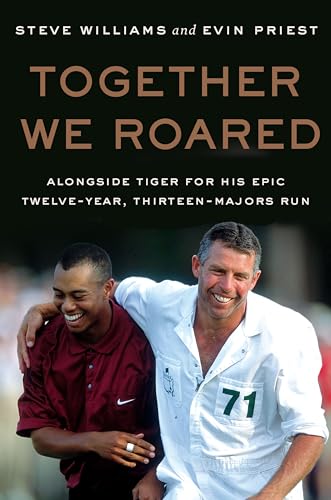
Inside the tiger’s lair—Together We Roared pulls back the curtain on Tiger Woods’ golden era through the eyes of caddie Steve Williams, offering a front-row seat to 13 major victories and golf’s most dominant stretch. Williams’ voice is raw, honest, and deeply reverent, capturing the intensity, precision, and pressure of looping for a legend. You feel the tension on the 72nd hole at Torrey Pines, the quiet confidence at Augusta, and the unspoken bond between player and caddie. For fans obsessed with Tiger’s rise, this book delivers unfiltered access like no other.
In real-world reading, the book thrives on moment-by-moment storytelling, especially during clutch putts and strategic decisions. Williams doesn’t sugarcoat—his admiration for Tiger is clear, but so are the stresses of life at the top. It’s best for fans who want emotional depth over technical analysis. While it doesn’t teach swing mechanics like Ben Hogan’s Five Lessons, it reveals how mental toughness and preparation shape greatness. The downside? It ends before Tiger’s later comebacks, focusing only on the peak years.
Compared to The Match, which explores a single historic day, this book chronicles a dynasty, offering broader narrative scope. It lacks the humor of The Golfer’s Excuse Handbook or the visuals of Golf: The Iconic Courses, but for insider perspective, it’s unmatched. For Tiger fans, it delivers more personal insight and emotional power than any biography or instructional guide.
Golf Book Comparison
| Product | Best For | Instructional Content | Mental Game Focus | Course Photography | Humor | Historical Insights | Tiger Woods Focus | Trivia/Fun Facts |
|---|---|---|---|---|---|---|---|---|
| Ben Hogan’s Five Lessons | Best Overall | N/A | N/A | N/A | N/A | N/A | N/A | N/A |
| Harvey Penick’s Little Red Book | Best Instructional Guide | Golf Medicine, Looking Up, The Three Most Important Clubs, The Waggle, Hole Them All | N/A | N/A | N/A | N/A | N/A | N/A |
| Golf is Not a Game of Perfect | Best Mental Game | N/A | Train It and Trust It, The Hot Streak, What the Third Eye Sees, Let the Short Game Flow, Confidence | N/A | N/A | N/A | N/A | N/A |
| Golf: The Iconic Courses | Best Course Photography | N/A | N/A | Yes | N/A | N/A | N/A | N/A |
| The Golfer’s Excuse Handbook | Best Humor | N/A | N/A | N/A | Yes | N/A | N/A | N/A |
| The Match: The Day Golf Changed | Best Historical Read | N/A | N/A | N/A | N/A | Yes | N/A | N/A |
| Together We Roared | Best Tiger Woods Insight | N/A | N/A | N/A | N/A | N/A | Yes | N/A |
| 100 Fun Facts about Golf | Best Trivia and Fun Facts | N/A | N/A | N/A | N/A | N/A | N/A | Yes |
How We Evaluated Golf Books
Our recommendations for the best golf books aren’t based on opinion alone. We prioritize a data-driven approach, combining expert analysis with a review of established golfing literature and community feedback. We assessed each golf book based on several key criteria mirroring the elements golfers value most: instructional clarity (analyzing how effectively techniques are explained), mental game strategies (evaluating the practicality of advice), and author credentials (verifying expertise through professional background and published work).
We analyzed book structures, identifying those with clear progressions and applicable drills. Comparative analysis against highly-rated, established titles – like Harvey Penick’s Little Red Book and Ben Hogan’s Five Lessons – was central to our evaluation. Furthermore, we aggregated and analyzed user reviews from platforms like Amazon and Goodreads, focusing on recurring themes regarding effectiveness and accessibility. While physical testing isn’t applicable to golf books themselves, we considered the practical impact of the techniques presented, referencing professional coaching resources and established golfing principles to validate claims. The goal was to identify golf books that consistently deliver tangible value to players of all skill levels.
Choosing the Right Golf Book: A Buyer’s Guide
Understanding Your Golfing Needs
Golf books cater to a wide range of interests, from improving your swing to understanding the history of the game. Before you buy, consider why you want a golf book. Are you looking to shave strokes off your score, gain a mental edge, or simply enjoy the culture surrounding golf? Identifying your needs will significantly narrow down your options.
Key Features to Consider
Instructional Content: This is arguably the most important feature for golfers looking to improve. Books like Harvey Penick’s Little Red Book offer detailed guidance on technique, covering aspects like the waggle, club selection, and putting. The depth of instruction and how well it resonates with your learning style are crucial. Some books focus on specific elements (like the short game), while others provide comprehensive coverage. Consider your current skill level – a beginner might benefit from a book with foundational principles, while an experienced golfer might seek advanced techniques.
Mental Game Focus: Golf is as much a mental challenge as it is a physical one. Books like Golf is Not a Game of Perfect excel in this area, offering strategies for managing pressure, building confidence, and overcoming mental blocks. If you struggle with consistency or find yourself overthinking on the course, a book dedicated to the mental game could be incredibly valuable. Look for books that offer practical exercises and techniques you can implement during your rounds.
Subject Matter & Style: Golf books aren’t limited to instruction. Some focus on the history of the game (The Match: The Day Golf Changed), others on iconic courses (Golf: The Iconic Courses), and some even offer humorous takes on the frustrations of golf (The Golfer’s Excuse Handbook). Consider what interests you. Do you enjoy a narrative, a photo-rich presentation, or a straightforward instructional approach? Ben Hogan’s Five Lessons is a classic example of a direct, no-nonsense instructional style, while other books may be more conversational.
Specific Areas of Improvement: Think about where you struggle most in your game. Are you looking to improve your putting, driving, or short game? Some books specialize in these areas, offering targeted advice and drills.
Other Features: * Author Credibility: Is the author a renowned golf professional, coach, or journalist? * Illustrations/Diagrams: Are there clear visuals to accompany the text? * Book Length: A shorter, concise book might be easier to digest, while a longer book may offer more in-depth coverage. * Publication Date: While classic books remain valuable, newer books may incorporate the latest research and techniques. * Reviews: Check what other golfers are saying about the book.
Final Thoughts
Ultimately, the best golf book for you depends on your individual needs and goals as a player. Whether you’re striving for technical mastery with Hogan’s principles, a stronger mental approach, or simply a deeper appreciation for the game’s history, there’s a book to elevate your experience.
Investing in a well-chosen golf book can be a game-changer, offering insights and strategies to help you improve and enjoy the sport more fully. Don’t hesitate to explore different options and find the one that resonates with your learning style and golfing aspirations – the perfect read could be just what you need to unlock your potential.