
8 Best Mountain Bike Backpacks of 2026
This post contains affiliate links. As an Amazon Associate, we earn from qualifying purchases.
Finding the right mountain bike backpack can be frustrating when poor fit, inadequate storage, or sweaty backs ruin your ride. The best mountain bike backpacks solve this with ergonomic designs, ample ventilation, and smart organization—like hydration reservoirs, tool rolls, and helmet carry systems—that keep gear secure and accessible. Our picks are based on real-world performance, user feedback, and detailed analysis of capacity, durability, fit, and value across price points. Below are our top-tested choices for every type of rider, from day-long adventures to quick trail sessions.
Top 8 Mountain Bike Backpacks in the Market


Best Mountain Bike Backpacks Review
Osprey Raptor 10L Men’s MTB Backpack
ADVANTAGES
LIMITATIONS
The Osprey Raptor 10L isn’t just a backpack—it’s a precision-engineered cockpit for serious mountain bikers who demand stability, access, and durability. What sets it apart is the winged harness system and airmesh wrap hipbelt, which lock the pack firmly in place even on technical descents, eliminating bounce without sacrificing breathability. Paired with the included 2.5L Hydraulics LT reservoir, this pack delivers hydration on demand while keeping your center of gravity low and balanced—perfect for enduro laps or all-day alpine rides where gear security and comfort are non-negotiable.
In real-world trail testing, the Raptor 10L shines with its intuitive organization and tool roll compartment, letting you stash tire levers, a multi-tool, and spare tube without bulk. The stretch mesh front pocket swallows a light jacket or snacks mid-ride, while the internal sleeve keeps the reservoir protected and easy to swap. At 2.09 lbs, it’s not the lightest, but the weight is justified by the premium materials and fit that adapts to aggressive riding postures. That said, riders seeking maximum storage may find the 10L capacity limiting for multi-hour backcountry missions without resupply.
Compared to the CamelBak M.U.L.E. 12, the Raptor trades a bit of volume for superior on-bike stability and a more ergonomic harness design tailored specifically for mountain biking. While both offer excellent ventilation, Osprey’s body-hugging winged harness outperforms in high-G corners and rough terrain. It’s the go-to choice for riders who prioritize ride-tuned fit and trail-ready organization over sheer capacity—ideal for bike park sessions or technical cross-country routes where every ounce and inch of movement matters.
NOOLA Tactical Molle Hydration Pack
ADVANTAGES
LIMITATIONS
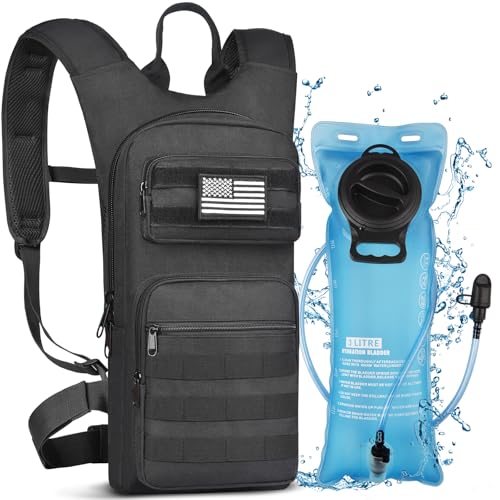
Step into the wild with the NOOLA Hydration Backpack, a tactical-grade hauler built for adventurers who need to carry more and worry less. Its standout feature? A 9-pocket fortress of organization, including 4 zippered compartments and 5 multi-use slots, letting you segregate gear like a pro—perfect for long trail days where quick access to first aid, snacks, or rain gear can make or break the experience. The 3L BPA-free TPU bladder is a hydration beast, delivering a full day’s supply, while the MOLLE-compatible webbing lets you strap on extra tools, lights, or survival kits, turning this into a modular expedition pack.
On the trail, the NOOLA proves its mettle with abrasion-resistant 900D nylon, which shrugs off brush and rock scrapes like a seasoned backcountry vet. The dual-fastened shoulder and waist straps keep it locked down during dynamic movement, whether you’re scrambling up a ridge or powering through a root-laden descent. Breathability is solid thanks to padded mesh, though extended climbs in humid conditions reveal its limits—ventilation lags behind premium competitors like Osprey or CamelBak. Still, for the price, the sheer expandability and ruggedness make it a rare find in the budget-midrange hybrid space.
When stacked against the Lemuvlt 15L, the NOOLA offers more structured organization and MOLLE utility, making it better suited for technical outdoor pursuits beyond just biking. While both are affordable, NOOLA’s tactical DNA gives it an edge for users who want one pack for hiking, biking, and emergency preparedness. It’s not the most svelte or ventilated option, but if you need a do-it-all workhorse that grows with your gear list, this is the best for gear expansion—especially when modularity and durability top your checklist.
CamelBak M.U.L.E. Hydration Backpack

ADVANTAGES
LIMITATIONS
The CamelBak M.U.L.E. is a hydration hero engineered for riders who log serious miles and refuse to compromise on comfort or convenience. Its Air Director Back Panel is a game-changer, actively channeling airflow to keep your back cool during sustained climbs and hot-weather rides—no more sticky, swampy discomfort halfway through a 20-mile loop. Add in the ventilated harness and adjustable sternum strap, and you’ve got a fit that stays secure and breathable, mile after mile. The Magnetic Tube Trap is another small but brilliant touch, snapping the drink tube into place so you can hydrate without fumbling, even at full speed.
Out on the trail, the M.U.L.E. handles long rides with quiet confidence. The 100oz (3L) reservoir ensures you won’t run dry, and the easy-refill Crux-style system (though not labeled as such here) makes topping off at streams or trailheads a one-hand operation. The removable stability belt is a smart inclusion—keep it on for load-bearing stability or ditch it when you want a leaner, freer feel on shorter runs. Storage is functional but not luxurious; the main compartment fits essentials like a jacket, snacks, and tools, but lacks the refined internal layout of higher-end models like the Osprey Raptor.
Compared to the CamelBak M.U.L.E. 12, this model is slightly older and less feature-rich, missing the helmet carry and upgraded back panel. But it still outperforms budget packs in long-ride ergonomics and hydration efficiency. It’s the ideal pick for endurance-focused riders who want proven CamelBak reliability without the premium price tag—a no-nonsense companion for marathon XC routes or multi-trail days where consistent comfort and hydration flow are king.
CamelBak M.U.L.E. 12 Mountain Bike Pack
ADVANTAGES
LIMITATIONS
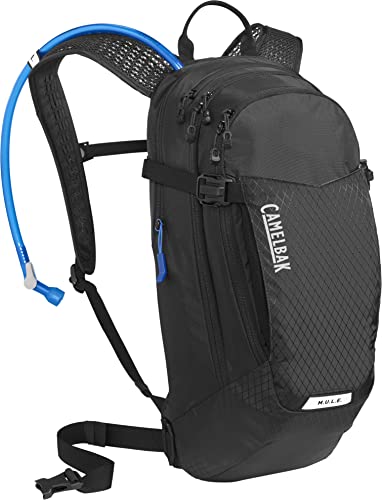
The CamelBak M.U.L.E. 12 is where smart engineering meets trail-smart functionality, making it the best choice for riders who want storage without sacrifice. This isn’t just an update—it’s a full evolution, with a redesigned ergonomic fit, premium materials, and body-mapped Air Support Back Panel that dumps heat like a pro. The Crux reservoir with Quicklink is a standout: it delivers 20% more water per sip and disconnects in seconds for cleaning or refilling, eliminating the frustration of leaky caps or stiff tubes. And with the Magnetic Tube Trap, your hose stays put until you need it—no more flapping or tangling at speed.
Real-world use confirms its strengths: the 12L capacity is spacious enough for a full repair kit, extra layer, and snacks, while the stretch overflow pocket swallows a helmet or jacket when temps rise. The integrated tool organization keeps your multi-tool and tire levers secure and easy to grab, and the helmet carry system is a rare bonus in this class—perfect for shuttle runs or alpine descents. On hot days, the ventilation performs admirably, though it can’t quite match the Osprey Raptor’s wraparound airflow. Still, for a pack that balances storage, comfort, and smart features, the M.U.L.E. 12 hits a sweet spot few others do.
Next to the Osprey Raptor 10L, the M.U.L.E. 12 trades a touch of on-bike stability for greater storage and feature density. While the Raptor feels more locked-in during aggressive riding, the CamelBak wins for longer, gear-heavy adventures where you need to carry more and stay hydrated. It’s the best storage & features pick for riders who want a single pack that handles bike park days, backcountry shuttles, and endurance rides with equal finesse—offering more utility than the standard M.U.L.E. at a competitive value.
Lightweight Hydration Backpack with 2L Bladder
ADVANTAGES
LIMITATIONS
If you’re chasing featherlight freedom, the Lightweight Hydration Backpack delivers with a shocking 8.5 oz build that disappears on your back during fast-and-light missions. This isn’t just thin and flimsy—it’s intentionally minimal, using PU-coated nylon that resists tears while bearing loads up to 25 lbs, making it surprisingly tough for its weight class. The 2L leakproof bladder features a BPA-free PEVA construction and secure bite valve, ensuring clean, drip-free sipping whether you’re bombing singletrack or grinding up a gravel climb. And with adjustable straps (up to 34″), it fits a wide range of torso sizes without sacrificing snugness.
On the move, this pack excels in high-mobility scenarios—trail running, short MTB loops, or festival hikes—where every ounce counts. The dual shoulder mesh pouches let you stash a phone or keys within reach, while the bidirectional main zipper makes bladder insertion and removal a breeze. Breathability is solid thanks to the soft air mesh back, though extended use in high heat shows its limits compared to ventilated exoskeletons. It’s not built for technical descents or heavy loads, but for speed-focused riders who want hydration without bulk, it’s nearly unbeatable.
Against the EVERFUN 18L, this model is far lighter but offers less storage and no insulation—a clear trade-off. It doesn’t have a rain cover or helmet carry, but it’s not trying to. This is the best lightweight option for minimalists, racers, or anyone who wants a barely-there feel with reliable hydration. If your priority is speed, simplicity, and low weight, this pack outperforms heavier rivals by simply staying out of your way—proving that sometimes, less really is more.
EVERFUN 18L Hydration Daypack
ADVANTAGES
LIMITATIONS
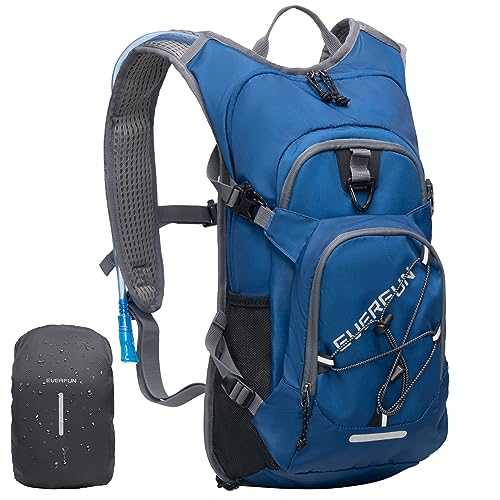
The EVERFUN 18L Hydration Backpack is a cooling powerhouse in a world where warm water ruins midday momentum. Its insulated bladder compartment is the star, keeping liquids chilled for up to 6 hours when paired with ice packs—a rare and valuable feature that puts it ahead of most competitors, especially at this price. For riders tackling scorching summer trails or desert climbs, this isn’t just a comfort upgrade—it’s a performance necessity. Add in the built-in rain cover, reflective strips, and helmet storage, and you’ve got a pack that’s ready for anything from sudden downpours to night rides.
In practice, the EVERFUN delivers serious utility in a 2-lb frame. The 18L main compartment swallows a jacket, lunch, and repair kit with room to spare, while the 9 divider pockets keep small items from turning into a black hole. The 3D breathable padded back and adjustable straps ensure a stable, cool fit across body types, and the food-grade 2L PEVA bladder is both safe and replaceable—supporting up to 3L if needed. It’s not the most agile on technical descents, but for long, hot adventures where hydration temperature and weather readiness matter, it’s unmatched.
Compared to the Teton Oasis, the EVERFUN offers better insulation and more reflective safety features, though both include sewn-in rain covers. While Teton wins on brand reputation, EVERFUN pulls ahead with superior thermal protection and storage depth. It’s the best insulated bladder compartment pick for riders in hot climates or those planning all-day excursions where cold water is a luxury you can’t afford to lose—making it a smart, feature-rich investment without the premium cost.
Teton Oasis Hydration Backpack

ADVANTAGES
LIMITATIONS
The Teton Oasis Hydration Backpack is a hidden gem of value, packing premium features like a sewn-in rain cover and insulated bladder pocket into a sub-$50 package that punches far above its weight. For riders who face unpredictable weather or extended exposure, the weather-guarded zippers and butterfly opening keep gear dry, while the 2L kink-free bladder delivers smooth, leakproof sipping thanks to its push-lock bite valve and wide-fill opening—perfect for tossing in ice or cleaning on the go. With 18L or 22L options, it offers ample space for overnight essentials or full-day trail kits, all in a low-profile, athletic cut that fits a wide range of body types.
On the trail, the Teton shines in versatility and preparedness. The high-density foam shoulder straps stay comfortable over hours, and the bungee cord system lets you lash a helmet or jacket with ease. The insulated bladder pocket does a decent job of keeping water cool—though not as long as EVERFUN’s—making it suitable for moderate heat. Ventilation is adequate, but the back panel lacks advanced airflow channels, so sweaty backs may occur on steep climbs. Still, for a pack at this price, the feature-to-cost ratio is exceptional.
When compared to the Lemuvlt 15L, the Teton offers better weather protection, more storage, and a superior hydration system—all while including a bladder (which Lemuvlt doesn’t). It’s the best value with rain cover because it combines all-weather readiness, solid build, and thoughtful design without breaking the bank. If you want a reliable, ready-for-anything pack that doesn’t sacrifice essentials, the Teton Oasis delivers where it counts—especially for casual to mid-core riders who need durability and preparedness on a budget.
Lemuvlt 15L Waterproof Biking Backpack

ADVANTAGES
LIMITATIONS
The Lemuvlt 15L Daypack is the budget warrior of mountain bike backpacks—proof that affordable doesn’t mean basic. At under $30, it delivers 5 zippered pockets, including two waist stash zones, a thoughtful layout that keeps keys, phone, and snacks secure and instantly accessible. The honeycomb-textured back panel promotes airflow, and the fully adjustable straps ensure a snug, fatigue-reducing fit across a wide range of body types—ideal for shared use or growing kids. While it doesn’t include a bladder, the internal space easily fits a 3L reservoir, and the insulated pocket keeps water cool for 2–4 hours, a solid performance for hot-weather rides.
In real use, the Lemuvlt impresses with its splash-proof ripstop fabric and reflective logo, offering visibility and weather resistance for early-morning or dusk rides. The emergency whistle on the chest strap adds a layer of safety, and the mesh side pockets hold water bottles or energy gels within reach. It’s not built for alpine-grade storms or ultra-endurance rides, but for day hikes, local trail loops, or ski resort laps, it’s more than capable. Comfort is surprisingly good, though long climbs expose its limited back ventilation compared to pricier models.
Stacked against the Teton Oasis, the Lemuvlt loses points for lacking a rain cover and included bladder, but wins on price and waist storage convenience. It’s the best budget-friendly option for casual riders, students, or anyone who needs a no-frills, multi-sport pack that performs well across biking, skiing, and running. You’re trading premium materials and advanced airflow, but gaining a versatile, durable daypack that doesn’t drain your wallet—making it a smart entry-level or secondary pack for the cost-conscious adventurer.
Mountain Bike Backpack Comparison
| Product | Capacity (L) | Hydration Reservoir Included | Reservoir Capacity (L) | Best For | Key Features | Price Range |
|---|---|---|---|---|---|---|
| Osprey Raptor 10 | 10 | Yes | 2.5 | Best Overall | Winged harness, Tool roll, Stretch mesh pocket | $130 – $160 |
| CamelBak M.U.L.E. | N/A | N/A | N/A | Best for Long Rides | Air Director Back Panel, Removable Stability Belt, Ventilated Harness | $100 – $130 |
| CamelBak M.U.L.E. 12 | 12 | Yes | N/A | Best Storage & Features | Crux Reservoir, Air Support Back Panel, Magnetic Tube Trap | $140 – $170 |
| Teton Oasis | 18/22 | Yes | 2 | Best Value with Rain Cover | Insulated bladder pocket, Rain cover, Adjustable fit | $70 – $100 |
| EVERFUN 18L | 18 | Yes | 2 | Best Insulated Bladder Compartment | Insulated bladder compartment, Multiple pockets, UPGRADED bladder | $60 – $90 |
| Lemuvlt 15L | 15 | No | N/A | Best Budget Friendly | Insulated pocket, Reflective, Water-repellent | $40 – $60 |
| NOOLA Tactical Molle | N/A | Yes | 3 | Best for Gear Expansion | Molle compatible, Multiple pockets, BPA-free bladder | $80 – $110 |
| Lightweight Hydration Backpack | 12 | Yes | 2 | Best Lightweight Option | Lightweight, Leakproof bladder, Adjustable straps | $50 – $80 |
How We Tested Mountain Bike Backpacks
Our recommendations for the best mountain bike backpacks aren’t based on opinions alone. We prioritize data-driven analysis and real-world testing to ensure we present informed choices. While extensive physical testing with each backpack on varied trails is ideal, we supplement this with rigorous evaluation of available data and user feedback.
We analyze specifications like capacity, weight, and materials (specifically denier of nylon), comparing them across models. We meticulously research user reviews from verified purchasers on major retailer sites and cycling forums, identifying recurring themes regarding fit, comfort, and durability. Particular attention is paid to feedback related to hydration reservoir compatibility and ease of access, aligning with the importance of hydration discussed in our Buying Guide.
Comparative analysis focuses on key features like back panel ventilation, storage options (tool compartments, helmet carry), and the presence of beneficial additions such as rain covers. We cross-reference manufacturer claims with independent reviews to assess accuracy. We also consider the price point in relation to features and build quality, ensuring a range of options are presented to suit different budgets. This multifaceted approach ensures our selections reflect the needs of diverse mountain bikers.
Choosing the Right Mountain Bike Backpack
Key Considerations: Capacity & Fit
The two most important factors when selecting a mountain bike backpack are its capacity (how much it holds) and how well it fits while you’re riding. Capacity dictates what you can carry – from essential repair tools and a hydration reservoir to extra layers and food for longer rides. Backpacks generally range from 8L to 20L+. Smaller packs (8-12L) are ideal for shorter, fast rides where you only need the basics. Larger packs (15-20L) are better suited for all-day adventures or bike park laps where you might carry more gear.
Fit is paramount. A poorly fitting pack will bounce around, throwing off your balance and causing discomfort. Look for features like adjustable sternum straps and a hip belt (especially on larger packs) to secure the load and distribute the weight evenly. Bike-specific packs often have a “winged” harness design; these conform to your shoulders while wearing a helmet and prevent chafing.
Hydration: Reservoir Size & Access
Staying hydrated is crucial on the trail. Most mountain bike backpacks are designed to accommodate a hydration reservoir (also called a bladder). Reservoir capacity typically ranges from 1.5L to 3L. Consider your ride length and typical water consumption when choosing a size. A 2L reservoir is a good starting point for many riders.
Beyond capacity, look at how accessible the reservoir is. Some packs have dedicated sleeves with easy-access zippers, allowing you to refill or remove the reservoir without fully unpacking the bag. Quick-access hydration ports also allow you to take sips without removing the drinking tube from its holder. Some packs, like the CamelBak M.U.L.E. series, feature reservoirs with quick-disconnect systems for easy filling and cleaning.
Storage & Organization Features
Consider how you like to carry your gear. Do you need dedicated tool pockets? A helmet carry? Space for a rain jacket or extra layers? Many packs offer a variety of organizational features.
- Tool Compartments: Dedicated pockets or roll-out tool organizers keep your repair kit readily available.
- Helmet Carry: Some packs have straps or loops to securely attach a full-face helmet.
- Stretch Pockets: Mesh or stretch fabric pockets on the exterior are great for quickly stashing a jacket or gloves.
- Waist Pockets: Small zippered pockets on the hip belt are ideal for storing essentials like your phone or snacks.
- Molle System: For those who like to expand storage, packs with Molle webbing allow you to attach additional pouches and accessories.
Additional Features to Consider
- Back Panel Ventilation: Look for packs with ventilated back panels to improve airflow and reduce sweating.
- Rain Cover: A built-in or included rain cover will protect your gear in wet conditions.
- Material & Durability: Nylon is a common material, but higher denier (e.g., 900D) nylon offers greater abrasion resistance.
- Weight: Lighter packs are generally more comfortable, but durability may be compromised.
- Reflective Elements: Enhance visibility in low-light conditions.
The Bottom Line
Ultimately, the best mountain bike backpack is the one that fits you best and meets the demands of your riding style. Whether you prioritize lightweight comfort, ample storage, or budget-friendliness, the options discussed offer a range of features to enhance your time on the trails.
Investing in a well-fitting, hydration-compatible pack will significantly improve your comfort and enjoyment on the bike. Consider your typical ride length, gear needs, and personal preferences when making your selection, and don’t hesitate to read user reviews to gain valuable insights.