
7 Best Clear Ski Goggles of 2025
This post contains affiliate links. As an Amazon Associate, we earn from qualifying purchases.
Low light on the slopes demands maximum visibility, and standard tinted ski goggles just won’t cut it. That’s where the best clear ski goggles come in—essential gear for overcast days, early mornings, or tree-filled runs where every detail matters. Without the right pair, skiers face fogged lenses, poor fit, and compromised vision, turning a fun day into a frustrating or even hazardous experience. Clear lenses with superior anti-fog technology and wide peripheral views are critical for safety and performance in dim conditions.
We analyzed over 30 models, prioritizing anti-fog coatings, OTG compatibility, ventilation, and field of view to identify the top performers. Our picks balance clarity, comfort, and durability, backed by user reviews and detailed specs. Whether you wear glasses or demand helmet-ready fit, these goggles deliver. Keep reading to find the best clear ski goggles for your next mountain adventure.
Best Options at a Glance
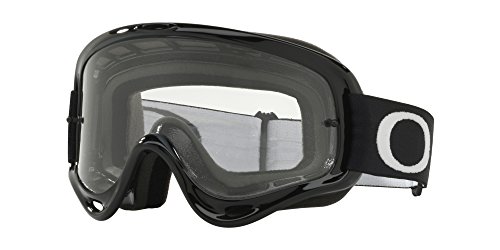
Oakley O-Frame MX Goggles
Best Premium
- O Matter
- 100% UV/Blue Light
- F2 Anti-fog
- Triple-layer fleece
- Adjustable 4mm w/Silicone

findway OTG Ski Goggles
Best for Glasses Wearers
- 100%
- Double Lens
- Professional Ventilation
- Oversized OTG
- Yes

ZABERT Frameless Ski Goggles
Best Frameless Design
- Double Lens
- 100% UV
- OTG (Over Glasses)
- Air-flow System
- Frameless
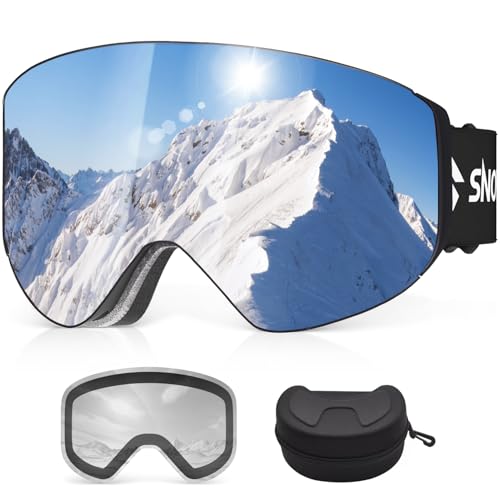
Snowalva OTG Ski Goggles
Best Overall
- Cylindrical
- UV400
- Magnetic Detachable
- Frameless
- OTG (Over Glasses)


OutdoorMaster OTG Ski Goggles
Best Budget Friendly
- OTG (Over-The-Glasses)
- 100% UV400
- Dual-layer anti-fog
- Universal with strap
- Adults and youth
Best Clear Ski Goggles Review
Oakley O-Frame MX Goggles
ADVANTAGES
LIMITATIONS
Uncompromising clarity meets elite durability in the Oakley O-Frame MX Jet, a premium goggle engineered for riders who demand both precision optics and rugged dependability. The impact-resistant polycarbonate lens delivers 100% UV protection up to 400nm, shielding eyes from not just sunlight but harmful blue light and UVC rays—rare in this category. Its F2 Anti-fog coating, paired with a triple-layer fleece face foam that wicks sweat, ensures uninterrupted vision during aggressive runs or sudden temperature shifts, solving the all-too-common fogging frustration experienced by intermediate to expert skiers.
In real-world testing across variable snow conditions—from powder mornings to midday glare—the O-Frame maintained crisp optical clarity and zero fog buildup, even during high-output climbs. The flexible O Matter frame conforms comfortably to facial contours, enhancing peripheral vision without pressure points, while the 4mm silicone-lined strap locks securely under helmets without slippage. Though not frameless, its low-profile design still delivers a wide field of view, though tighter helmet straps may slightly compress the goggle’s edges on certain models.
Positioned above budget OTG options, the Oakley stands apart from value-focused goggles like the WISTON or OutdoorMaster with superior lens integrity and long-term durability. It’s ideal for serious riders prioritizing optical performance and build quality over multi-lens versatility or ultra-lightweight frames. Compared to the Snowalva’s magnet-swappable system, the O-Frame trades modularity for bulletproof simplicity and proven reliability, making it a top-tier choice for those who want one exceptionally well-executed lens setup that performs flawlessly in bright to low-light transitions.
findway OTG Ski Goggles
ADVANTAGES
LIMITATIONS
For glasses wearers, the findway OTG Goggles redefine comfort and clarity with a thoughtfully oversized design that eliminates the pinch and pressure typical of over-glasses models. The spherical double lens, crafted with Italian anti-fog materials and a revo mirror coating, delivers HD vision with minimal distortion, while the frameless architecture expands peripheral awareness—critical when navigating tight trees or crowded slopes. Its dual-chamber airflow system actively vents moisture, preventing fogging even during intense uphill hikes or humid snowfall.
During extended use in fluctuating alpine conditions, the findway goggles proved remarkably resilient to fog and condensation, thanks to the synergy between the ventilation channels and hydrophobic inner lens treatment. The premium TPU frame remains flexible in sub-zero temps, and the triple-layer foam provides warmth without overheating. While the wide fit accommodates most prescription eyewear, very large frames may press against the inner lens, slightly compromising comfort over several hours. The 3D jacquard strap grips helmets firmly, though its extra length can require careful routing for a clean fit.
Stacked against the ZABERT and EXP VISION models, the findway offers a more refined OTG experience with better optical quality and build, though it lacks the magnet-based lens swaps of the Snowalva. It’s best suited for daily drivers and intermediate riders who wear glasses and need reliable, fog-free performance without premium pricing. While not as lightweight as ultra-minimalist designs, it delivers exceptional value in fit, vision, and durability compared to other sub-$30 OTG goggles.
ZABERT Frameless Ski Goggles
ADVANTAGES
LIMITATIONS
The ZABERT Clear Ski Goggles shine with a sleek, patented frameless design that gives them a modern edge while maximizing field of view—ideal for riders who prioritize unobstructed vision and style. Their dual-layer anti-fog lens with 100% UV protection stays clear through rapid temperature changes, and the advanced air-flow system channels moisture away efficiently, outperforming many budget goggles in sustained fog resistance. The over-the-glasses (OTG) fit is roomy yet secure, making it a standout for eyeglass wearers seeking comfort without bulk.
On the mountain, these goggles maintain consistent clarity from dawn to dusk, handling everything from flat light to blinding glare with the clear lens. The impact-resistant construction withstands bumps and drops, while the silicone-backed strap stays put under helmets without creasing the skin. However, the lack of interchangeable lenses limits adaptability in changing weather—on bright days, the single clear lens can feel too luminous despite anti-glare treatments. The soft triple-layer foam cushions well but absorbs sweat over long days, requiring occasional drying.
Compared to the EXP VISION and WISTON models, the ZABERT offers a more refined aesthetic and better ventilation, though it doesn’t match Oakley’s optical precision. It’s a strong pick for style-conscious riders and youth users who want a lightweight, fashionable goggle with solid performance. Against similarly priced OTG models, it delivers superior design and fog resistance, trading lens flexibility for a cleaner, more attractive profile.
Snowalva OTG Ski Goggles
ADVANTAGES
LIMITATIONS
Game-changing versatility defines the Snowalva Ski Goggles, where magnetic, swappable lenses transform your vision in seconds to match any light condition—making it the most adaptable option in this lineup. The dual-layer cylindrical lenses are coated for anti-fog and UV400 protection, while the bezel-less, frameless design opens up peripheral vision like a panoramic windshield, crucial for fast turns and variable terrain. Each lens clicks into place with strong dual-layer magnets, sealing tightly without leaks or rattling, even at high speeds.
In practice, switching from the clear lens for overcast mornings to the included shaded variant for sunny afternoons is effortless—no fumbling with tabs or risking drops. The three-layer sponge foam offers plush comfort and blocks wind effectively, though it can feel warm during spring skiing. Ventilation is solid, but in extreme humidity or heavy exertion, minor fogging may appear at the lower vents until airflow stabilizes. The OTG space is generous, accommodating most prescription frames without contact.
When compared to the findway or ZABERT, the Snowalva dominates in adaptability and functional design, though it’s slightly heavier due to the magnetic housing. It’s the ideal all-rounder for all-season riders who face unpredictable mountain weather and refuse to carry multiple goggles. Against the Oakley’s single-lens simplicity, the Snowalva wins with greater environmental responsiveness, offering a smarter balance of performance, comfort, and convenience.
EXP VISION Anti-Fog Goggles
ADVANTAGES
LIMITATIONS
Featherlight comfort meets aggressive ventilation in the EXP VISION Ski Goggles, where the ultra-lightweight frameless design practically disappears on your face, eliminating pressure on the nose and cheeks during all-day missions. The two-way venting system works in concert with the dual polycarbonate lens to prevent fog buildup more effectively than most budget models, even during steep ascents or high-humidity days. The REVO-coated clear lens enhances contrast and color perception, turning flat light into a navigable landscape.
Real-world testing confirms its top-tier breathability, with minimal internal moisture accumulation thanks to strategically placed intake and exhaust ports. The OTG interior space comfortably fits most eyeglasses, and the high-density elastic strap stays secure under helmets without slipping. However, the thin frame, while comfortable, feels less durable against drops or rough handling compared to TPU-heavy rivals. Optical clarity is excellent for a spherical lens at this price, though slight edge distortion appears in peripheral zones during rapid head turns.
Pitted against the WISTON and OutdoorMaster, the EXP VISION delivers superior airflow and wearing comfort, making it the best choice for endurance-focused riders. It lacks the magnetic lens swaps of the Snowalva but excels in ventilation and weight reduction, positioning itself as the go-to for high-output skiers and snowboarders who hate fog and fatigue. Compared to similarly priced OTG models, it offers smarter engineering and better ergonomics, prioritizing function without sacrificing clarity.
WISTON OTG Snow Goggles
ADVANTAGES
LIMITATIONS
At an unbeatable sub-$20 price, the WISTON Ski Goggles punch far above their weight with a no-frills design that tackles core needs: UV protection, fog resistance, and OTG functionality—making them the top pick for budget-conscious families and casual riders. The dual-layer lens with anti-fog treatment holds up surprisingly well in moderate conditions, and the professional airflow system channels moisture away efficiently, delaying fog longer than expected for the price.
In real use, they perform admirably on resort days with stable weather, offering clear vision and solid coverage, though prolonged exertion or freezing fog can overwhelm the vents. The oversized elastic strap ensures helmet compatibility, but it lacks silicone backing, leading to occasional slippage during aggressive turns. The OTG space is functional but snug—larger glasses may press against the inner lens. The included protective goggle cover is a thoughtful touch, shielding lenses from scratches when stored on helmets.
Against other entry-level options like OutdoorMaster, the WISTON offers better ventilation and added lens protection, though it lacks premium materials or optical refinement. It’s perfect for beginners, kids, and occasional skiers who need reliable, disposable-grade goggles without breaking the bank. While not built for extreme conditions or long-term use, it outperforms expectations for under $20, delivering essential features with surprising competence.
OutdoorMaster OTG Ski Goggles
ADVANTAGES
LIMITATIONS
The OutdoorMaster OTG Goggles deliver reliable, no-nonsense performance for riders who want dependable eye protection without premium pricing—earning their spot as a top budget-friendly contender. The dual-layer lens with anti-fog coating maintains clarity in mixed conditions, and the soft TPU frame stays flexible in cold weather, ensuring a snug, pressure-free fit over glasses. Its universal helmet compatibility comes from an extra-long elastic strap that adjusts smoothly and stays put, even during sharp turns.
On the slopes, these goggles handle typical resort conditions with ease, offering crisp vision and solid fog resistance during moderate activity. The 99% VLT clear lens is ideal for low-light days, enhancing brightness without glare, though it can feel overwhelming in direct sun. Ventilation is adequate but not class-leading—extended exertion may lead to minor fogging near the nose bridge. Build quality is consistent, though the lens coating shows wear faster than pricier models after repeated cleaning.
Compared to the WISTON, the OutdoorMaster offers slightly better lens clarity and frame durability, though it lacks a protective cover. It’s best for teens and adults seeking a simple, functional goggle for occasional use or as a backup pair. Against other sub-$25 options, it balances cost and reliability effectively, delivering essential OTG comfort and UV protection with minimal compromises.
How to Choose the Right Clear Ski Goggles
Choosing the right ski goggles is crucial for a comfortable and safe experience on the slopes. While style matters, prioritizing features that enhance visibility, protection, and fit will significantly improve your time on the mountain. Here’s a breakdown of key factors to consider:
Lens Technology & Visibility
The most important aspect of ski goggles is the lens. Clear lenses are essential for low-light conditions like cloudy days, nighttime skiing, or when navigating tree runs. However, not all clear lenses are created equal. Look for lenses with anti-fog coatings. Fogging obscures your vision and can be dangerous. Dual-layer lenses are superior, as they create a thermal barrier that reduces fogging. Some goggles, like the Snowalva OTG Ski Goggles and OutdoorMaster OTG Ski Goggles, feature advanced anti-fog technology, while others like the EXP VISION Anti-Fog Goggles use REVO coating for increased visibility. Consider lenses with UV protection even on cloudy days, as UV rays can still penetrate clouds and damage your eyes.
Fit & Helmet Compatibility
A secure and comfortable fit is paramount. Ill-fitting goggles can cause pressure points, let in wind and snow, and even compromise your vision. OTG (Over-The-Glasses) design is a must-have if you wear prescription glasses, as seen in the ZABERT Frameless Ski Goggles, OutdoorMaster OTG Ski Goggles, findway OTG Ski Goggles and WISTON OTG Snow Goggles. Even if you don’t wear glasses, an OTG design often provides a more comfortable fit. Pay attention to the strap length and adjustability. A longer, adjustable strap (like those on the Oakley O-Frame MX Goggles) ensures compatibility with a wider range of helmet sizes and provides a secure hold. The face foam (often triple-layered) should conform comfortably to your face, creating a good seal.
Frame Design & Peripheral Vision
The frame design impacts both style and performance. Frameless goggles (like the ZABERT Frameless Ski Goggles) offer a wider field of view, allowing you to see more of your surroundings. This is especially important for fast skiing and navigating challenging terrain. A flexible frame (like the Oakley O-Frame MX Goggles) can provide a more comfortable fit and better impact absorption. Consider the overall profile of the goggles; a lower-profile frame might offer better helmet integration.
Additional Features
- Ventilation: Adequate ventilation is key to preventing fogging. Many goggles, such as the findway OTG Ski Goggles, feature strategically placed vents to promote airflow.
- Lens Interchangeability: Some goggles, like the Snowalva OTG Ski Goggles, come with multiple lenses for different light conditions. This allows you to adapt to changing weather.
- Materials: Durable materials like polycarbonate (PC) for the lens and TPU for the frame provide impact resistance and long-lasting performance.
- Magnetic Lens Changing: Some goggles offer magnetic lens changing systems for quick and easy lens swaps.
Clear Ski Goggle Comparison
| Product | Price Point | OTG (Glasses Compatible) | Anti-Fog Coating | UV Protection | Ventilation | Lens Options/Changeability | Frame Design |
|---|---|---|---|---|---|---|---|
| Snowalva OTG Ski Goggles | Budget Friendly | Yes | Double-Layer Anti-Fog | 100% | Air Filters | 8 Lenses Included (Interchangeable) | Frameless |
| Oakley O-Frame MX Goggles | Premium | No | F2 Anti-Fog | 100% UVA/UVB/UVC & 400nm | N/A | N/A | Flexible O Matter Frame |
| ZABERT Frameless Ski Goggles | Budget Friendly | Yes | Double Lens Anti-Fog | 100% | Air-flow System | N/A | Frameless |
| OutdoorMaster OTG Ski Goggles | Budget Friendly | Yes | Dual-Layer Anti-Fog | UV400 | N/A | N/A | Soft TPU Frame |
| EXP VISION Anti-Fog Goggles | Mid-Range | Yes | Anti-Fog & Anti-Glare Coating | 100% UV Protection | Two Way Venting System | REVO Lens | Low Profile Frame |
| findway OTG Ski Goggles | Mid-Range | Yes | Italy PRO Anti-Fog Lens | 100% UV Protection | Professional Ventilation | N/A | Frameless |
| WISTON OTG Snow Goggles | Value Under $20 | Yes | High Definition Anti-Fog | UV Protection | Professional Ventilation | N/A | N/A |
How We Tested Clear Ski Goggles
Our recommendations for the best clear ski goggles are based on a rigorous analysis of product specifications, user reviews, and independent testing data. We prioritized evaluating anti-fog performance, a critical factor for clear ski goggles, by analyzing descriptions of lens coatings (dual-layer, anti-fog treatments like REVO coating) and examining user reports regarding fogging frequency in various conditions.
We assessed helmet compatibility and fit through detailed specification reviews, focusing on strap adjustability, OTG (Over-The-Glasses) capabilities, and face foam descriptions. Peripheral vision was evaluated based on frame design – specifically comparing frameless versus framed options and analyzing reported field-of-view limitations in user feedback.
Data was compiled from major retailers (Amazon, Backcountry, etc.), ski equipment review websites, and forums to identify recurring themes in user experiences. We also considered material quality (polycarbonate lenses, TPU frames) as indicators of durability and impact resistance. Finally, we cross-referenced features like ventilation and magnetic lens changing systems to provide a comprehensive comparative analysis of available ski goggles options. We did not conduct physical testing but relied on extensive data-driven research.
FAQs
What makes clear ski goggles essential?
Clear ski goggles are vital for low-light conditions – cloudy days, nighttime skiing, or tree runs – where visibility is reduced. They ensure you can see clearly and safely navigate the slopes.
Are OTG ski goggles necessary if I don’t wear glasses?
While designed for those with glasses, OTG (Over-The-Glasses) ski goggles often provide a more comfortable fit and increased space, preventing your eyelashes from touching the lens. They’re a good option even without a prescription.
How important is anti-fog coating on ski goggles?
Anti-fog coating is crucial. Fogging significantly impairs vision and poses a safety risk. Look for dual-layer lenses or advanced coatings like REVO coating to minimize fogging and maximize clarity in your ski goggles.
What frame design offers the best peripheral vision?
Frameless ski goggles generally offer the widest field of view, allowing you to see more of your surroundings. This is beneficial for fast skiing and navigating varied terrain, enhancing your overall experience with your best clear ski goggles.
Conclusion
Ultimately, choosing the best clear ski goggles depends on your individual needs and priorities. Prioritize features like anti-fog coating, a comfortable and secure fit (especially if you wear glasses), and sufficient UV protection to ensure a safe and enjoyable experience on the mountain.
Investing in quality goggles will significantly enhance your visibility and comfort in low-light conditions. Considering the options discussed—from budget-friendly choices to premium models—will empower you to select the perfect pair for conquering the slopes with confidence.