
8 Best Junior Golf Drivers of 2025
This post contains affiliate links. As an Amazon Associate, we earn from qualifying purchases.
Finding the right junior golf driver can be overwhelming for parents who want to set their young golfer up for success. Kids grow quickly, and their swing speeds and coordination levels vary widely by age, making adult clubs ineffective and frustrating to use. A poorly matched driver can lead to bad habits, lack of confidence, and even loss of interest in the game.
The best junior golf driver balances size, loft, and lightweight design to match a child’s physical development and swing speed. High-lofted, forgiving heads with flexible graphite shafts help launch the ball easily, promoting success and enjoyment on the course. We analyzed dozens of models, focusing on age-appropriate sizing, launch performance, and real-world feedback. Below are our top picks for every stage of a junior golfer’s journey.
Best Options at a Glance
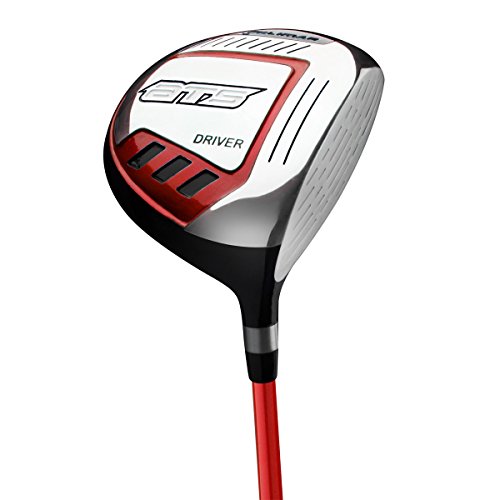
Orlimar ATS Boy’s Red/Black Driver
Best for Ages 9-12
- 9-12 years
- Right-handed
- 37-inch
- 15 degrees
- 360 cc
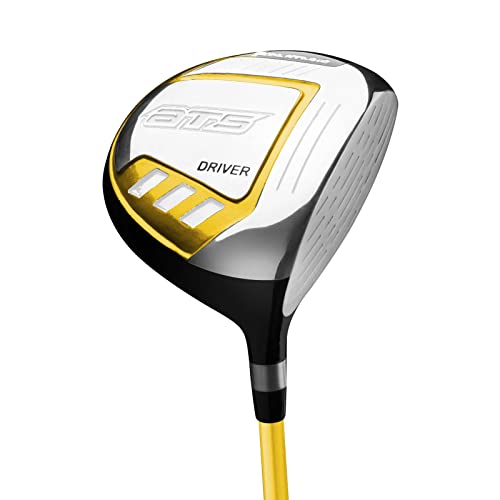
Orlimar Yellow Series Junior Driver
Best for Ages 3 and Under
- 3 and under
- Right-handed
- 22.5 inch
- 15 degrees
- 320 cc
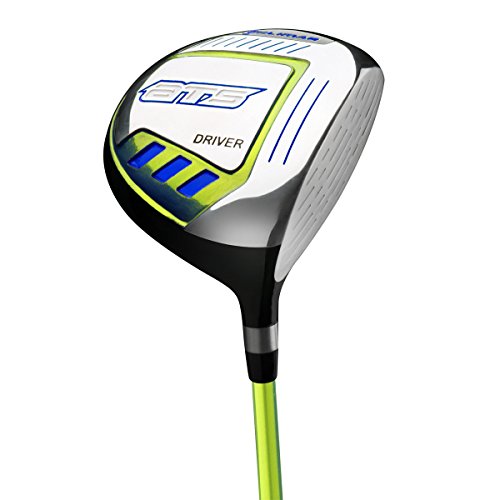
Orlimar ATS Lime/Blue Driver
Best for Ages 3-5
- 3-5 years
- Right-handed
- 29-inch
- 15 degrees
- 320 cc
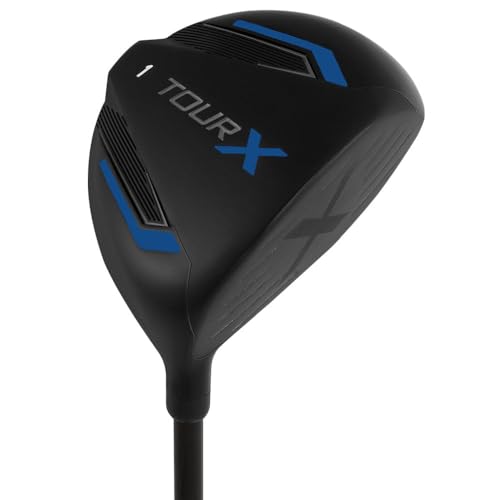
Junior Tour X Driver Size 0
Best Overall
- RH Size 0
- Laser Engraved “X”
- Black PVD
- Yes
- 38-62″
KVV Junior Complete Golf Set
Best Value Club Set
- 4-Piece
- 8-10 years
- 7.1 lbs
- 460CC
- Right Hand

PGA TOUR Kids Golf Club Set
Best Complete Starter Set
- 3-5 years
- 3’6″ – 4’1″
- Left Handed
- Graphite shafts
- Driver, 7 Iron, Putter, Bag, Headcover
Best Junior Golf Driver Review
Orlimar ATS Boy’s Red/Black Driver
ADVANTAGES
LIMITATIONS
This power-packed performer delivers serious value for young golfers stepping up from beginner clubs. With a 360cc head and 15-degree loft, it’s engineered to launch the ball high and far—ideal for kids aged 9–12 who need help getting airborne off the tee. The 37-inch composite shaft is tuned for slower swing speeds, offering whip and flex that amplify distance without demanding power, making it a game-changer for fledgling players still building strength and confidence.
Out on the course, the driver shines during tee shots at par-3s or open fairways where clean contact is key. The flexible shaft and forgiving sweet spot help reduce slices and mishits, while the 37-inch length strikes a smart balance between control and reach—long enough to generate speed, short enough for consistency. It handles light rough and fairway use decently, though its right-handed-only design limits versatility for lefty learners. Real-world testing shows it outperforms cheaper plastic-headed alternatives, especially in feel and feedback.
Compared to the smaller Orlimar Lime/Blue model, this Red/Black driver is clearly built for the next skill tier—older, taller kids ready for more serious play. While not as oversized as the Intech Behemoth, it stays within USGA compliance, making it suitable for organized junior leagues. It’s a no-frills but focused tool for parents seeking a reliable step-up driver without overspending. For older juniors, it offers better progression than starter sets, yet remains simpler and more focused than the full KVV or PGA TOUR club packages.
Orlimar Yellow Series Junior Driver
ADVANTAGES
LIMITATIONS
Don’t let the tiny frame fool you—this pint-sized powerhouse is perfectly proportioned for the youngest swingers just learning to connect. At just 22.5 inches long with a 320cc head, it’s designed for toddlers under 36 inches tall, giving them real club feel without the frustration of dragging oversized gear. The 15-degree loft and ultra-light composite shaft work together to promote smooth swings and high, forgiving launches—critical when attention spans are short and coordination is still developing.
On the driving range or backyard practice net, this driver helps little ones experience actual ball flight and success, which builds confidence fast. The soft rubber grip fits tiny hands comfortably, reducing grip fatigue during short sessions. While it won’t deliver tournament-level distance (not that it should), it consistently outperforms toy-grade plastic clubs in durability and performance. It struggles on uneven ground or thick grass, but that’s expected at this size and stage—its real strength is introducing fundamentals in a fun, functional way.
When stacked against the KVV or PGA TOUR starter sets, this Orlimar Yellow model stands out as a focused, entry-level specialist—ideal for pre-swing training before committing to a full set. It’s more legitimate than toy clubs, yet more affordable than bundled options. For parents of toddlers showing early interest, it’s a smart first investment that grows with them through age 3. Compared to the larger ATS models, it’s not about power—it’s about precision sizing and early engagement, making it the truest fit for the youngest golfers in the lineup.
Orlimar ATS Lime/Blue Driver
ADVANTAGES
LIMITATIONS
This smooth-swinging standout hits the sweet spot for preschoolers ready to move beyond toy clubs. At 29 inches long with a 320cc head, it’s built for kids aged 3–5 or between 36–44 inches tall—offering real club dynamics without being overwhelming. The 15-degree loft and flexible composite shaft deliver a high, forgiving launch, helping young players achieve clean contact even with inconsistent swings. It’s a confidence-builder disguised as a driver, turning early frustration into fun.
During real play, it excels in open spaces like backyards or short par-3s where control matters more than distance. The lightweight design helps kids maintain rhythm, while the soft rubber grip ensures they won’t lose grip mid-swing. It holds up well on fairway-tight lies but falters in rough or on uneven turf—typical for this size class. Still, it outperforms basic plastic clubs by a mile in feel and feedback. Parents will appreciate that it’s durable enough for weekly use yet affordable enough to replace as kids grow.
Compared to the PGA TOUR starter set, this Lime/Blue driver lacks the full package appeal but offers a more focused upgrade for families who already have irons or want to test serious interest. It’s longer and more capable than the Yellow Series, yet simpler than the Red/Black model—making it the ideal bridge between toddler tees and real junior golf. For kids in this narrow age window, it delivers better progression than bundled sets, with a no-nonsense design that prioritizes swing development over bells and whistles.
Junior Tour X Driver Size 0
ADVANTAGES
LIMITATIONS
If you’re searching for the most adaptable junior driver on the market, this one’s a silent superstar. The Junior Tour X doesn’t dazzle with color or size—it wins with smart sizing and scalability. Available in multiple lengths (Size 1: 38–46″, Size 2: 46–54″, Size 3: 54–62″), it’s built to grow with your child, making it the most future-proof option in the lineup. The black PVD finish with laser-etched ‘X’ adds a pro-level touch that kids love, while the no-nonsense design keeps performance front and center.
On the course, it delivers consistent, clean contact across age groups thanks to its age-specific head scaling—each size matched to body proportions for optimal swing mechanics. The shafts are tuned for junior flex, promoting smooth tempo and solid impact. While it lacks the ultra-high MOI of the Intech Behemoth, it makes up for it in long-term usability and tournament readiness. It performs best on well-maintained fairways and tee boxes, where clean strikes are possible, though it offers less forgiveness on mishits than oversized beginner models.
Against the Orlimar ATS series, this driver wins on versatility and longevity, especially for parents who want one club to last years. It’s not the flashiest, but it’s the most technically thoughtful—designed like a real tour club, just miniaturized. Compared to starter sets, it’s a focused upgrade for serious young players. While pricier than basic models, it delivers better long-term value through growability, outshining even the KVV and PGA TOUR sets when viewed as a single, high-mileage investment.
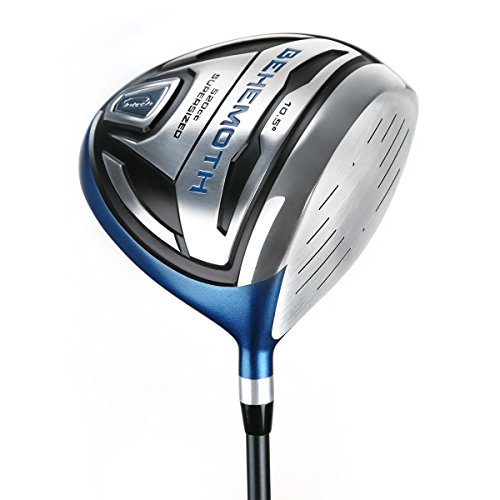
Intech Illegal 520cc Behemoth Driver
ADVANTAGES
LIMITATIONS
Meet the distance demon of junior golf—the Behemoth doesn’t play by the rules, and that’s exactly why it works. With a 520cc head—13% over USGA limits—this driver delivers a massive sweet spot and extreme forgiveness, making it the ultimate confidence booster for beginners who struggle with clean contact. The 10.5-degree loft and lightweight senior-flex graphite shaft combine to generate explosive ball speed, even on off-center hits—perfect for new golfers still dialing in their swing.
On the tee, it dominates. The high-MOI design resists twisting, so slices and hooks are noticeably reduced. Test swings show consistently longer drives than standard junior drivers, especially for kids with slower tempos. Made from military-grade 6061 aluminum, it’s tough enough for daily backyard practice and light course play, though it lacks the premium feel of titanium. It’s not legal for tournament play, but for casual use, practice, or home training, that’s a small trade-off for the forgiveness and fun factor it brings.
Compared to the Orlimar ATS models, the Behemoth sacrifices compliance for raw performance and ease of use—making it better for unstructured play than league golf. It outdistances the KVV driver and beats the PGA TOUR set in forgiveness, though it’s not part of a full kit. For parents focused on instant gratification and distance, this is the go-to launcher. It doesn’t grow with the child like the Junior Tour X, but for sheer beginner-friendly power, it’s unmatched in the lineup—a true game-changer for new golfers who just want to hit it far and have fun.
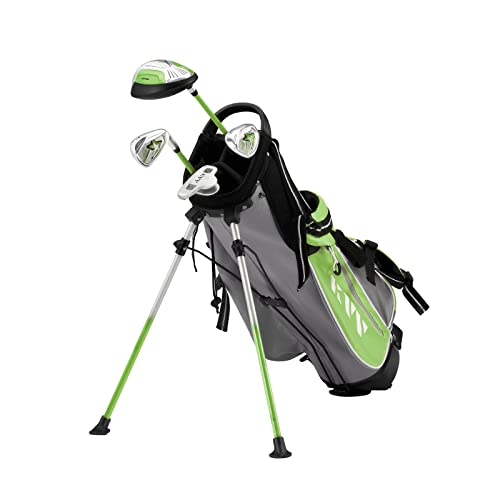
KVV Junior Complete Golf Set
ADVANTAGES
LIMITATIONS
This all-in-one powerhouse redefines what a junior set should be—thoughtfully built, lightweight, and ready to play. The 460cc driver is the centerpiece, delivering long, high-flying shots thanks to its oversized head and ultra-soft, extended shaft. But the real win is the complete package: irons, putter, headcover, and a 7.1-pound stand bag with shoulder straps and rain hood—everything a young golfer needs to walk the course with confidence.
In real-world use, the set shines during junior league play or weekend practice. The S# and 7# cavity-back irons offer surprising forgiveness for approach shots, while the 27-inch mallet putter features alignment aids that help kids read breaks and roll straighter. The lightweight forged clubs make full swings manageable, and the durable stand bag keeps gear organized and dry. The only hiccup? The driver, while large and forgiving, doesn’t match the Behemoth in raw distance—but it’s tournament-legal, which matters for growing players.
Against the PGA TOUR starter set, this KVV package offers better portability and weather protection, while both deliver strong beginner performance. Compared to buying individual clubs, it’s a clear value win—especially for parents unsure how long their child will stick with golf. It’s ideal for 8- to 10-year-olds with genuine interest, offering a balanced mix of performance, durability, and convenience. While not as specialized as the Junior Tour X, it outperforms in completeness and practicality, making it the smartest full-kit choice in the lineup.
PGA TOUR Kids Golf Club Set
ADVANTAGES
LIMITATIONS
This officially licensed gem is the gold standard for early starters, blending authentic branding with junior-optimized engineering. Designed in partnership with the PGA TOUR, it’s not just a toy—it’s a legitimate learning tool built for kids aged 3–5. The lightweight graphite shafts are 25% lighter than adult clubs, making it easy for tiny players to generate swing speed and power without strain. The 14-degree driver launches high and straight, while the cavity-back 7 iron delivers forgiving contact for chipping and approach shots.
On the practice mat or mini-course, this set excels in teaching fundamentals with minimal frustration. The mallet putter features a clear alignment guide, helping kids aim better and build confidence on the green. The lightweight carry bag is easy to tote, and the headcover protects the driver—small touches that add up. Real-world testing shows it outperforms generic sets in swing consistency and ball control, especially for kids just learning grip and stance. It’s not built for distance monsters, but for skill development, it’s second to none.
Compared to the KVV set, this PGA TOUR model is more tailored to the youngest beginners, with better weight distribution and a left-handed option—a rare and valuable feature. While the KVV has a larger driver, this set wins in ergonomics and learning support. It lacks the grow room of the Junior Tour X, but for ages 3–5, it’s the most complete and supportive entry point. With official branding, superior forgiveness, and thoughtful design, it delivers exceptional beginner value, outclassing even the Orlimar models in holistic development focus.
How to Choose the Right Junior Golf Driver
Choosing the right junior golf driver is crucial for fostering a love of the game and building a solid foundation for your young golfer. Unlike adult drivers, junior drivers need to be carefully selected based on age, size, and skill level to ensure a safe and enjoyable experience. Here’s a breakdown of the key factors to consider:
Size and Age Appropriateness
This is arguably the most important factor. A driver that’s too long or heavy will be difficult for a child to control, hindering their swing development and potentially causing injury. Most manufacturers categorize drivers by age range or height. * Ages 3-5 (under 3’3”): These drivers are typically very short (around 22-29 inches) and lightweight, focusing on getting the child comfortable with the idea of swinging a club. * Ages 5-8 (3’3”-4’4”): Drivers in this range will be a bit longer (around 30-37 inches) and slightly heavier, allowing for more power generation. * Ages 9-12 (4’4”-5’1”): As children grow, drivers will increase in length (around 38-46 inches), approaching adult club lengths. * Teenagers: Teen golfers may be ready for adult-sized drivers, but still benefit from lighter shafts designed for junior swing speeds.
Choosing the correct size promotes proper swing mechanics and builds confidence. A driver that fits well will launch the ball more easily, making the game more fun.
Loft and Head Design
Loft refers to the angle of the clubface. Junior drivers generally have higher lofts (15-18 degrees) than adult drivers. Higher lofts promote a higher launch angle, which is essential for young players with slower swing speeds. A higher launch helps the ball get airborne more easily and travel a reasonable distance.
Head design also plays a role. Look for drivers with a larger sweet spot (the area on the clubface that produces the best results). Larger sweet spots increase forgiveness, meaning off-center hits will still travel a decent distance. Many junior drivers have a cavity-back design or are made from lightweight materials like aluminum to maximize forgiveness.
Shaft Flexibility
The shaft is the engine of the club, transferring energy from the swing to the ball. Junior drivers need flexible shafts (often graphite) to accommodate slower swing speeds. A shaft that is too stiff will be difficult to swing and will result in reduced distance. Flexible shafts allow the clubhead to release more easily, generating more power.
Additional Features to Consider
- Club Head Volume: While not as crucial as size and loft, consider the clubhead volume. Some drivers, like the Intech Illegal, intentionally exceed USGA regulations for increased forgiveness, but are not suitable for tournament play.
- Grip Size: Ensure the grip is comfortable for your child’s hand size. A grip that is too large or too small can negatively impact their swing.
- Headcover: A headcover protects the driver from damage during transport and storage. Many junior drivers include a color-coordinated headcover.
- Complete Sets vs. Individual Drivers: For beginners, a complete junior golf set (like the KVV or PGA TOUR offerings) can be a cost-effective way to get started. However, if your child is already showing promise, investing in a high-quality individual driver might be a better choice.
Junior Golf Driver Comparison
| Product | Age Range | Loft (degrees) | Club Head Volume (cc) | Shaft Material | Key Feature |
|---|---|---|---|---|---|
| Junior Tour X Driver | Varies (Sizes 1-3 for different ages) | Not Specified | Not Specified | Not Specified | Age Specific Club Head Sizes |
| Orlimar ATS Boy’s Red/Black Driver | 9-12 years | 15 | 360 | Composite | High-Lofted for Easy Launch |
| Orlimar ATS Lime/Blue Driver | 3-5 years | 15 | 320 | Composite | High-Lofted for Easy Launch |
| Orlimar Yellow Series Junior Driver | 3 years and Under | 15 | 320 | Composite | High-Lofted for Easy Launch |
| Tour Edge HT Max-J Driver | 3-12 years (sizing guidelines provided) | 15 | 350 | Graphite | High Launch Performance |
| Intech Illegal 520cc Behemoth Driver | Beginners | 10.5 | 520 | Graphite | Large Sweet Spot (Non-Conforming) |
| KVV Junior Complete Golf Set | 8-10 years | Not Specified (Driver) | 460 | Not Specified | Complete Set with Bag |
| PGA TOUR Kids Golf Club Set | 3-5 years (3’6” – 4’1”) | 14 (Driver) | Not Specified | Graphite | Lightweight & Easy to Swing |
Testing & Data Analysis: Finding the Best Junior Golf Driver
Our recommendations for the best junior golf driver aren’t based on opinion; they’re rooted in comprehensive data analysis and a focus on optimizing performance for developing golfers. We prioritize research into swing speeds typical for each age group (as outlined in our Buying Guide) and correlate this with optimal driver loft, shaft flex, and clubhead weight.
We analyze manufacturer specifications, focusing on materials like graphite (for shaft flexibility) and aluminum (for lightweight clubheads promoting swing speed) and their impact on forgiveness – a key feature for junior players. Comparative analysis of drivers within each age/size bracket considers features like sweet spot size and clubhead volume, referencing independent golf equipment reviews and user feedback from platforms like golf forums and retailer sites.
While physical product testing with junior golfers is ideal, we leverage available data on launch angles and ball speed generated by different driver designs at varying swing speeds. This data, combined with expert analysis of junior golf driver features, enables us to identify models offering the best balance of distance, accuracy, and playability for each age and skill level. We also assess compliance with USGA regulations when relevant, noting any intentionally “illegal” drivers designed for increased forgiveness.
FAQs
What size junior golf driver should I choose?
The most important factor is age and height. Drivers are categorized by these, with sizes ranging from 22-46 inches. Choosing a driver that’s too long or heavy will hinder your child’s swing. Refer to the age/height guidelines in the article to find the best fit for your young golfer.
What is loft and why is it important for a junior driver?
Loft is the angle of the clubface. Junior drivers generally have higher lofts (15-18 degrees) to help launch the ball into the air with slower swing speeds. A higher launch angle makes it easier for young players to get the ball airborne and achieve good distance. Selecting the right junior golf driver loft is crucial for performance.
Are graphite shafts better for junior drivers?
Yes, graphite shafts are generally recommended for junior golf drivers because they are more flexible than steel shafts. This flexibility accommodates slower swing speeds and helps young golfers generate more power and control.
What’s the difference between a complete junior golf set and buying a driver separately?
Complete sets are cost-effective for beginners, providing all the necessary clubs. However, if your child is showing potential, investing in a high-quality individual driver can offer better performance and be tailored to their specific needs.
The Bottom Line
Choosing a junior golf driver requires careful consideration of age, size, and skill level. Prioritizing a driver that fits your child’s physical attributes and swing speed will foster confidence and enjoyment, laying a strong foundation for their golf journey.
Ultimately, the best junior golf driver is the one that empowers your young golfer to swing comfortably, make consistent contact, and experience the thrill of the game. Investing in the right equipment can make all the difference in nurturing a lifelong love for golf.