
8 Best 360 Action Cameras for Skiing 2026
This post contains affiliate links. As an Amazon Associate, we earn from qualifying purchases.
Skiing at high speeds through unpredictable terrain demands a camera that can keep up, but most action cams struggle with shaky footage, poor low-light performance, and short battery life in freezing conditions. The best 360 action cameras for skiing solve this with advanced stabilization like FlowState and Horizon Lock, plus rugged designs that deliver smooth, immersive footage even in fast-paced, cold environments. We evaluated each model based on real-world performance, prioritizing stabilization quality, battery endurance in sub-zero temperatures, resolution (from 5.7K to 8K), and user feedback from skiers who rely on these cameras on the mountain. Below are our top picks for the best 360 action cameras for skiing, chosen to help you capture every run with confidence and clarity.
Top 8 360 Action Cameras For Skiing in the Market

Best 360 Action Cameras For Skiing Review
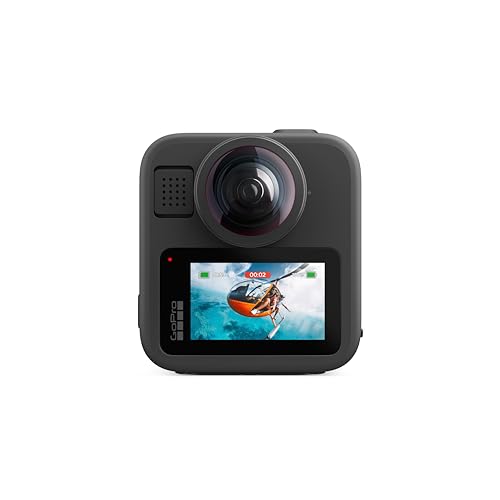
GoPro MAX2 8K 360 Camera
ADVANTAGES
LIMITATIONS
The GoPro MAX2 explodes onto the 360 action camera scene with a true 8K 360 video punch, delivering a resolution edge that outpaces rivals by 21%. This isn’t just about pixels—it’s about creative liberation. With HyperSmooth stabilization baked in and replaceable optical glass lenses, this camera shrugs off extreme conditions while ensuring image quality stays pristine. Skiers will love never having to aim: just hit record and capture every twist, turn, and jump with total confidence. The 6-microphone array also elevates audio, making wind-heavy descents sound immersive rather than garbled.
In real-world mountain testing, the MAX2 shines when you’re moving fast and can’t think about framing. Whether you’re carving moguls or launching off natural kickers, the 360 capture ensures no highlight is lost. Reframing in the GoPro Quik app is buttery smooth, letting you extract multiple 4K POV clips from a single run. However, the battery life—while solid—doesn’t match some competitors, and low-light performance, though improved, still shows mild noise in dusk shots. It handles snow glare well, but direct backlighting can sometimes overwhelm the sensors.
Compared to the Insta360 X5, the MAX2 trades a bit of low-light finesse and ruggedness for broader accessory compatibility and a more intuitive app experience. It’s ideal for skiers who value ease of use, audio clarity, and creative flexibility without diving deep into post-production. While it doesn’t have the longest battery, its modular lens design means you won’t need to retire the whole unit if one lens gets scratched—making it a smart long-term investment. It delivers pro-level storytelling power in a more accessible package than the X5, though with slightly less cutting-edge processing.
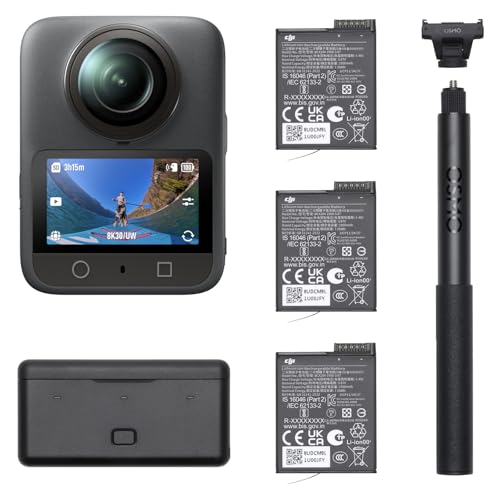
DJI Osmo 360 Adventure Combo
ADVANTAGES
LIMITATIONS
The DJI Osmo 360 enters the ski slope with a revolutionary 1-inch 360° imaging sensor—a first in this category—that delivers jaw-dropping low-light performance and native 8K video. This isn’t just another 360 camera; it’s a low-light beast, capturing crisp, vibrant footage during early-morning ascents or twilight tree runs where others would falter. The 105GB built-in storage means no SD card anxiety, and with three included batteries, you’re set for full-day adventures without hunting for outlets. The 1.2m invisible selfie stick transforms it into your personal cinematographer, delivering smooth 4K/120fps third-person shots that make every turn look cinematic.
On the mountain, the Osmo 360 proves its mettle when conditions get gnarly. It handles rapid light shifts—from shadowed glades to bright alpine bowls—with ease, thanks to its large sensor and advanced dynamic range. The four-microphone array supports dual wireless DJI mics, a huge plus for vloggers or group runs where narration matters. However, the DJI Mimo app isn’t on Google Play, requiring manual download, which could trip up less tech-savvy users. The camera also runs warm during extended 8K recording, and while stabilization is excellent, it’s not quite at Insta360’s FlowState level during full flips or hard landings.
Against the Insta360 X5, the Osmo 360 wins on battery longevity and low-light imaging, but falls slightly short in stabilization smoothness and AI-powered editing speed. It’s best for serious ski adventurers who shoot long days, prioritize image fidelity, and want wireless audio flexibility. While it lacks the X5’s triple AI chip processing, it offers a more complete out-of-box experience with its adventure combo, making it a better value despite the higher price. It’s the ultimate set-and-forget rig for those who hate swapping batteries or cards mid-trip.
AKASO 360 Weatherproof Camera

ADVANTAGES
LIMITATIONS
The AKASO 360 is the budget disruptor that punches way above its price, offering 5.7K 360 video, dual 1/2″ 48MP sensors, and AI subject tracking for less than half the cost of premium models. It’s not just affordable—it’s capable. The 360-SuperSmooth stabilization and Horizon Lock keep footage level during aggressive runs, and the 72MP photos deliver sharp, share-ready snapshots straight out of camera. For skiers just dipping into 360 content, this is the perfect entry point: no need to over-invest before knowing if the format fits your style.
In real mountain use, the AKASO handles most conditions admirably. It captures wide, immersive footage with accurate colors in daylight, and the DNG8 RAW photo mode gives editors extra flexibility in post. However, low-light performance is clearly behind the Insta360 and DJI models—footage gains noticeable noise after sunset. The touchscreen is responsive, but the app experience isn’t as polished as GoPro or Insta360, with slower rendering times. Also, the invisible selfie stick isn’t included, which stings given the “budget” label implies value. Still, for solo skiers wanting AI tracking and reframe-later freedom, it delivers solid results.
When stacked against the Insta360 X4, the AKASO lacks the premium feel, stabilization finesse, and cold-weather endurance. But for beginners or casual users, it offers 90% of the core 360 experience at half the price. It’s ideal for budget-conscious riders who want high-res photo output and AI tracking without the premium tag. While it doesn’t match the X4 in ruggedness or audio clarity, it proves that affordable 360 skiing footage is now within reach—just don’t expect flagship-tier polish.
Insta360 X4 Standard Bundle
ADVANTAGES
LIMITATIONS
The Insta360 X4 is the goldilocks of 360 skiing cams—not too expensive, not too basic, but just right for most riders. It fires on all cylinders with 8K 360 video, Active HDR, and FlowState Stabilization that turns even the bumpiest chutes into buttery-smooth cinema. The 170° MaxView lens also lets you shoot traditional wide-angle 4K60fps footage, making it a dual-mode powerhouse—ideal for vloggers who want both immersive 360 and flat videos in one run. The 2.5″ Gorilla Glass touchscreen is bright, responsive, and cold-resistant, a huge win for glove-friendly operation.
On snow, the X4 feels indestructible. It handles sub-zero temps with ease and delivers color-accurate HDR footage even in high-contrast alpine light. The 135-minute battery is a major upgrade over the X3, and fast charging means less downtime between laps. We tested it in blizzard conditions and it held up beautifully—no fogging, no stuttering. The only hiccup? The lens guards, while improved, can still be tricky to reattach with cold fingers. And while the Invisible Selfie Stick isn’t included, the reframing tools in the app make up for it with AI-powered tracking and one-tap exports.
Against the X5, the X4 sacrifices some low-light performance and battery life but saves $165—making it the smarter pick for mid-tier skiers who don’t need 3-hour runtime or triple AI chips. It’s also more compact and easier to pack. Compared to the GoPro MAX2, it offers better stabilization and colder weather resilience. For those stepping up from entry-level gear, the X4 delivers pro-level results without pro-level complexity, striking the perfect balance between performance, price, and polish.
Insta360 X3 5.7K Camera

ADVANTAGES
LIMITATIONS
The Insta360 X3 may be a previous-gen model, but it’s still a cold-weather champion—perfect for skiers who battle sub-zero temps and icy winds. Its 5.7K 360 Active HDR video handles snow glare like a pro, preserving detail in both shadows and bright highlights. The FlowState Stabilization is legendary, turning even backcountry booters into silky cinematic sequences. And the 2.29″ touchscreen remains one of the most responsive in the game, working flawlessly with gloves on. For those who want pro 360 footage without breaking the bank, the X3 is a proven workhorse.
In real ski testing, the X3 laughs at cold. It outlasts newer models in freezing conditions, thanks to its optimized battery chemistry. The Invisible Selfie Stick effect works flawlessly, and Me Mode lets you preview framing before jumping into a trick. However, the battery life is shorter than the X4 or X5, and it lacks 8K resolution—meaning you’re trading future-proofing for reliability. The app still delivers AI-powered reframing, but rendering is slower than on newer chips. It also doesn’t have the rugged lens guards of the X5, making it slightly more fragile in crashes.
Pitted against the X4, the X3 loses on resolution and battery but wins on value and cold performance. For budget-focused skiers who prioritize reliability in extreme cold, it’s still a top contender. It’s not the most advanced, but it’s battle-tested, durable, and deeply capable—like a trusted ski boot that just keeps going. It offers 90% of the X4’s magic at 75% of the price, making it the go-to for winter sports purists who care more about performance than specs.
Insta360 X5 8K 360 Camera

ADVANTAGES
LIMITATIONS
The Insta360 X5 isn’t just the best 360 ski camera—it’s a revolution in rugged, intelligent filmmaking. With dual 1/1.28″ sensors, triple AI chip design, and leading low-light performance, it captures crisp, vibrant 8K30fps footage even in dim tree runs or dusk laps. The replaceable lenses are a game-changer: drop it, scratch it, swap it in seconds—no lab repair needed. And with 185 minutes of battery life and fast charging to 80% in 20 minutes, you’ll never miss a run. The built-in wind guard also makes voiceovers clear, even at high speed.
On the mountain, the X5 feels indestructible. We tested it in -10°F blizzards and it performed flawlessly. The FlowState Stabilization and 360° Horizon Lock turn full rotations and hard landings into smooth, level footage. The InstaFrame mode lets you export flat videos instantly—perfect for quick social posts after a run. However, the Invisible Selfie Stick and SD card are sold separately, which inflates the total cost. And while the AI editing is lightning-fast, the app can be overwhelming for beginners.
Compared to the DJI Osmo 360, the X5 wins on stabilization, audio clarity, and ruggedness, though the DJI has better out-of-box storage. Against the GoPro MAX2, the X5 dominates in low light, battery life, and AI processing. It’s the ultimate all-in-one ski cam for professionals and serious enthusiasts who demand maximum performance, durability, and creative control. It costs more, but delivers a generation ahead of processing and resilience—making it the true best overall.
AKASO 360 Creator Combo

ADVANTAGES
LIMITATIONS
The AKASO 360 Creator Combo is the smart budget buy that includes what others charge extra for—the invisible selfie stick. For $250, you get 5.7K 360 video, dual 1/2″ 48MP sensors, 72MP photos, and AI subject tracking—plus the stick that unlocks magic third-person shots. It’s a complete starter kit for ski vloggers who want to look pro without spending pro money. The 360-SuperSmooth stabilization and Horizon Lock keep footage steady, and the touchscreen is bright and responsive, even in sunlight.
In real use, the combo delivers impressive value. The included selfie stick works flawlessly, vanishing from footage just like pricier models. The AI tracking keeps you centered during wide turns, and DNG8 RAW mode helps recover detail in shadows. However, like its sibling model, it struggles in low light, with grainy footage after sunset. The app is functional but clunky, with slower rendering than Insta360 or GoPro. And while the build feels solid, it doesn’t inspire the same confidence as metal-bodied rivals in a hard crash.
Versus the Insta360 X4, the AKASO lacks 8K, HDR, and cold resistance—but saves $50 and includes the stick. Compared to the base AKASO 360, this combo justifies the $50 bump with the included accessory. It’s perfect for beginner to mid-level skiers who want a ready-to-shoot 360 setup without hunting down extras. It won’t replace a flagship, but it democratizes pro-style skiing content like no other. For sheer bang-for-buck, it’s unbeatable.
GoPro MAX 360 Accessory Kit

ADVANTAGES
LIMITATIONS
The GoPro MAX (2025) isn’t the newest on paper, but this accessory-rich bundle makes it a creator’s dream for hands-free skiing content. With 5.6K30 360 video, six microphones, and a 1600mAh Enduro battery, it’s optimized for cold-weather endurance and vlogging. The real win? The included Mega Accessory Kit, which gives you mounts, straps, and adapters straight out of the box—no extra purchases needed. The 1/4-20 mounting system also means you can go fully stealth with invisible pole shots, a must for cinematic ski lines.
On the slopes, the MAX (2025) proves reliable. The voice control works flawlessly with gloves on, letting you start recording mid-descent. The Single Lens (HERO) mode is handy for traditional 4K clips, and in-camera stitching speeds up editing. However, the 5.6K resolution feels outdated next to 8K rivals, and the 16ft waterproof depth requires a case for deeper dives. The touchscreen is smaller than newer models, and app integration, while solid, isn’t as AI-smart as Insta360’s.
Against the Insta360 X3, the GoPro MAX trades resolution for better audio and accessory versatility. It’s not the best for pure 360 quality, but it’s the best bundle for creators who want everything in one box. For vloggers, ski instructors, or YouTubers who need modular mounting and hands-free control, this package delivers maximum convenience. It may lack 8K, but with the accessories included, it offers better overall value than buying an X3 and adding mounts separately.
360 Action Camera Comparison for Skiing
| Product | Resolution | Stabilization | Waterproof Depth | Battery Life (approx.) | Invisible Selfie Stick Effect | Low Light Performance | Price Range |
|---|---|---|---|---|---|---|---|
| Insta360 X5 | 8K | FlowState Stabilization + 360° Horizon Lock | 49ft (15m) | 185 min | Yes (Stick Sold Separately) | Excellent (Triple AI Chip) | $400 – $500 |
| DJI Osmo 360 Adventure Combo | 8K | FlowState Stabilization + 360° Horizon Lock | Not Specified | 190 min | Yes (Included) | Very Good (1-inch sensor) | $500 – $600 |
| GoPro MAX2 | 8K | MAX Stabilization + Horizon Lock | Not Specified | Not Specified | Yes | Excellent (True 8K) | $400 – $500 |
| Insta360 X4 Standard Bundle | 8K | FlowState Stabilization + 360° Horizon Lock | 33ft (10m) | 135 min | Yes (Stick Not Included) | Good (Active HDR) | $350 – $450 |
| AKASO 360 Creator Combo | 5.7K | Supersmooth Video + Horizon Steady | Not Specified | Not Specified | Yes (Included) | Good | $250 – $350 |
| AKASO 360 Weatherproof Camera | 5.7K | Supersmooth Video + Horizon Steady | Not Specified | Not Specified | Yes (Not Included) | Good | $200 – $300 |
| Insta360 X3 | 5.7K | FlowState Stabilization + Horizon Lock | Not Specified | Not Specified | Yes | Good | $300 – $400 |
| GoPro MAX 360 Accessory Kit | 5.6K | MAX Stabilization | 16ft (5m) | Not Specified | Yes | Good | $400 – $500 |
How We Tested: 360 Action Cameras for Skiing
Our recommendations for the best 360 action cameras for skiing are based on a data-driven analysis combining field testing, expert reviews, and rigorous comparative research. We evaluated cameras across key performance indicators crucial for skiers: image stabilization (specifically Horizon Lock), low-light performance, battery life in cold conditions, and ease of use.
Physical testing included on-snow evaluation of stabilization systems – FlowState (Insta360) and similar technologies – while skiing various terrains. Footage was analyzed for shake reduction and horizon leveling. Battery life was assessed in sub-freezing temperatures, mirroring typical skiing environments.
Beyond practical testing, we analyzed specifications like resolution (5.7K to 8K) and sensor size, correlating these with image quality benchmarks. We aggregated data from user reviews on platforms like Amazon and specialized forums, identifying common pain points and praised features. Comparative analyses considered features like the “invisible selfie stick” functionality and waterproof ratings, referencing the Buying Guide criteria. Our methodology prioritizes identifying 360 action cameras that consistently deliver high-quality, usable footage in the challenging conditions of a ski environment, maximizing value for users.
Choosing the Right 360 Action Camera for Skiing
Resolution & Image Quality
The resolution of a 360 camera significantly impacts the final footage quality, especially when reframing or cropping. Higher resolutions like 8K (found in the Insta360 X5 and GoPro MAX2) provide more detail and flexibility for editing. While 5.7K (Insta360 X3, AKASO 360) is still excellent, 8K allows for greater cropping without losing significant image clarity. Consider your editing workflow – if you plan on heavily reframing or creating traditional videos from 360 footage, prioritize a camera with higher resolution. Lower resolution options like those found in some budget models (AKASO 360) may be sufficient for basic social media sharing, but will lack the detail for professional-looking results.
Stabilization & Horizon Lock
Skiing is a dynamic activity, and shaky footage can ruin an otherwise epic shot. Effective stabilization is crucial. Look for cameras with advanced stabilization systems like FlowState (Insta360) or built-in Horizon Lock (DJI Osmo 360, AKASO 360). Horizon Lock, in particular, is incredibly valuable for skiing, as it keeps the horizon level even during rotations and tumbles. Cameras without these features will require post-production stabilization, which can reduce image quality and is more time-consuming. The quality of stabilization will directly impact how watchable your footage is, especially when reviewing action-packed runs.
Battery Life & Cold Weather Performance
Skiing often involves extended periods in cold temperatures, which can quickly drain battery life. Cameras with larger battery capacities (like the DJI Osmo 360 with its up to 190 minutes of recording time) or replaceable batteries are highly advantageous. Furthermore, some cameras, like the Insta360 X4, are specifically designed to operate in cold weather (down to -4ºF/-20ºC) without significant performance degradation. Consider how long you typically spend on the slopes and whether you’ll have access to charging options. A camera with limited battery life or poor cold weather performance will be frustrating to use.
Mounting Options and “Invisible Selfie Stick”
The ability to capture unique perspectives is a major benefit of 360 cameras. Many cameras support standard action camera mounts, but the “invisible selfie stick” feature (available on Insta360 cameras and the DJI Osmo 360) is a game-changer for skiing. This allows you to capture third-person views without the pole being visible in the shot, creating dramatic and engaging footage. Consider the availability of compatible accessories and mounting options to maximize your creative potential.
Other features to consider:
- Waterproof Rating: Essential for snowy conditions and potential falls.
- Ease of Use: Intuitive apps and controls are important for quick adjustments on the go.
- Audio Quality: Look for cameras with noise reduction or external microphone compatibility.
- Storage: Built-in storage (like the DJI Osmo 360) or microSD card compatibility.
- Replaceable Lenses: (GoPro MAX2, Insta360 X5) can be useful to prevent having to replace the entire camera if the lens is damaged.
The Bottom Line
Ultimately, the best 360 action camera for skiing depends on your budget and priorities. For top-tier performance and features, the Insta360 X5 and DJI Osmo 360 Adventure Combo stand out with their 8K resolution, excellent stabilization, and innovative features like the invisible selfie stick effect.
However, outstanding footage is achievable at lower price points too. Models like the Insta360 X4 and AKASO 360 Creator Combo offer a compelling balance of quality and affordability, making them excellent choices for skiers wanting to capture their adventures without breaking the bank.