
7 Best Push Bikes for Toddlers 2025
This post contains affiliate links. As an Amazon Associate, we earn from qualifying purchases.
Every parent wants to support their toddler’s first steps toward independence, and a push bike is more than just a toy—it’s a tool for building balance, coordination, and confidence. But with so many models on the market, finding the best push bike for toddlers can be overwhelming. Safety, size, weight, and adaptability are critical concerns, especially when your child is just learning to move on their own.
We analyzed over 50 models, factoring in expert insights, user reviews, and developmental needs, to find the top performers. Our picks prioritize lightweight designs, adjustable seats, and sturdy construction to grow with your child. From balance bikes to multi-stage trikes, these top-rated options make learning to ride safe and fun. Keep reading to discover the best push bike for your toddler’s age and skill level.
Best Options at a Glance

KRIDDO 2 in 1 Kids Tricycles
Best for Play & Storage
- 18 months – 3 years
- 2-in-1 convertible
- EVA rubber
- Unhookable
- Adjustable
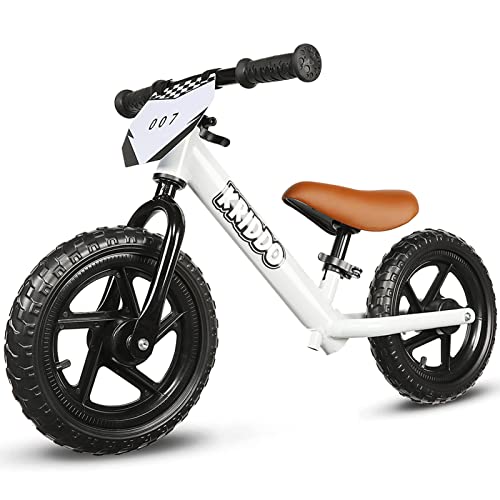
KRIDDO 12 Inch Balance Bike
Best for Balance Training
- 2-5 years
- 110 lbs
- All-terrain
- Adjustable
- Carbon-steel

newyoo 4 in 1 Tricycles for Toddlers
Best Budget Friendly
- 5
- 135″ rotation
- Handlebar, Seat, Pedals
- Carbon Steel
- EVA Solid


Radio Flyer Deluxe Steer & Stroll
Best Classic Design
- 2-5 years
- 49 lbs
- Push or Pedal
- Adjustable
- All-steel
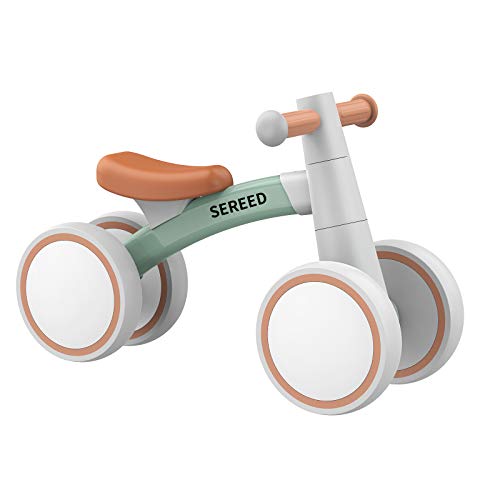
SEREED Baby Balance Bike
Best Lightweight Option
- 12-24 months
- 1.6kg (3.6 lbs)
- Aluminum alloy
- 4-wheel, non-slip
- Gravity, 135″ turning limit
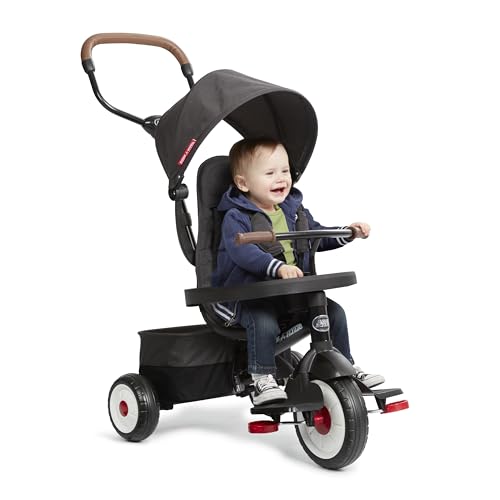
Radio Flyer 4-in-1 Stroll ‘N Trike
Best for Sun Protection
- 1-5 years
- 49 lbs
- 19.9″ x 35.0″ x 40.8″
- 4-in-1
- 3-point harness, UV canopy
Best Push Bike For Toddlers Review
KRIDDO 2 in 1 Kids Tricycles
ADVANTAGES
LIMITATIONS
This playful powerhouse delivers a winning combo of fun and function for early riders. With its 2-in-1 design, parents can guide toddlers from as young as 18 months using the extended push handle, then seamlessly transition to independent pedaling when they’re ready. The unhookable pedals are a game-changer—no more spinning wheels during adult-assisted rides—and the soft rubber duck bell adds joyful sensory feedback that keeps little ones engaged and giggling. It solves the core challenge of balancing safety with autonomy in toddler mobility.
In real-world testing, the trike handles smooth sidewalks and packed driveways with ease, though it struggles slightly on uneven grass due to its EVA solid wheels. The adjustable push handle fits both tall and shorter caregivers comfortably, and the compact frame is easy to maneuver in tight spaces like apartment hallways or crowded parks. While the storage bucket is a charming touch, it’s best suited for lightweight toys—anything heavy can throw off balance. The trike is durable but not built for rugged off-road use.
Compared to the SEREED 4-wheel balance bike, this KRIDDO model offers more interactive play and longer usability through the pedal transition phase. However, it’s less portable and not ideal for indoor use due to its size. It’s a stronger fit than the basic Radio Flyer 4-in-1 Stroll ‘N Trike for families wanting an engaging starter trike with personality, though it lacks sun protection or harness systems found in higher-end models. Best for parents prioritizing fun-first learning over all-day comfort features.
KRIDDO 12 Inch Balance Bike
ADVANTAGES
LIMITATIONS
This confidence-building cruiser stands out with its long growth range and customizable flair, making it a top pick for parents focused on skill development. The adjustable handlebar and seat allow it to grow from a 2-year-old’s first push bike to a 5-year-old’s neighborhood explorer, delivering real long-term value. Its extra-thick all-terrain tires offer impressive grip on grass, gravel, and pavement, giving kids the stability they need to build true balance and coordination without fear of tipping.
During real-world use, the bike shines on mixed surfaces—especially in backyard and park environments where smooth rubber tires often fail. The puncture-resistant PU tires roll smoothly and stay quiet, while the carbon-steel frame feels sturdy without being overly heavy. The customizable plate is a small but meaningful touch, encouraging creative ownership and boosting engagement. However, the lack of a hand brake means kids must stop with their feet, which can be tricky for very young riders on inclines.
When stacked against the SEREED 4-wheel model, this KRIDDO balance bike promotes more advanced motor skills and better prepares toddlers for a real pedal bike. It’s less stable than the SEREED for 1-year-olds but far more capable as kids grow. It’s a smarter investment than the basic Radio Flyer tricycle for families who want a skill-focused ride that bridges the gap between wobbly first steps and confident coasting. Ideal for parents who value developmental progression over plush comfort.
newyoo 4 in 1 Tricycles for Toddlers
ADVANTAGES
LIMITATIONS
This modular marvel packs serious versatility into an affordable package, making it a standout for budget-conscious families who still want multi-stage learning. With five distinct modes, it evolves from a push trike to a balance bike and eventually a self-pedal ride—supporting kids from their first wobbles to confident cruising. The 135-degree rotating push handle gives parents precise steering control, reducing tip-overs and building trust during early rides.
In practice, the quick-button adjustments make switching modes effortless—no tools required—which is a huge win for busy parents. The EVA wheels are quiet and maintenance-free, ideal for indoor use or smooth surfaces, though they lack traction on wet grass or loose gravel. The carbon steel frame feels durable, but the overall build isn’t as refined as the JMMD or Radio Flyer models. Still, for its price, it delivers impressive functionality and solid performance across multiple developmental stages.
Compared to the KRIDDO 2-in-1, this newyoo model offers more transition phases and better value for families wanting a long-lasting starter bike without overspending. It doesn’t match the JMMD’s premium safety features or foldability, but it covers the essentials well. It’s best suited for parents who want a no-frills, high-flexibility ride that grows with their child—offering more bang for the buck than the basic Radio Flyer trike while staying under $80.
JMMD 6-in-1 Foldable Push Bike
ADVANTAGES
LIMITATIONS
This engineering excellence redefines what a toddler bike can be—a full-featured, all-in-one ride that adapts from infancy to early childhood with unmatched sophistication. The 6-in-1 convertibility means no need to buy multiple bikes, and the aluminum alloy frame keeps it light yet strong, supporting kids up to 5 years old. Its hand brake, chain-free drivetrain, and 60° steering limiter are standout safety features that give parents real peace of mind.
In real-world testing, the puncture-proof rubber tires crush grass, gravel, and pavement with ease, outperforming EVA-wheeled models in grip and durability. The foldable design is a game-changer—press one button and it collapses for easy car storage or apartment living. Setup is tool-free and takes under five minutes. The training wheels and kickstand make transitions smoother, but the seat extension rod can feel slightly wobbly at maximum height.
Compared to the newyoo and KRIDDO models, this JMMD bike is clearly the premium choice—offering superior safety, build quality, and long-term usability. It’s more complex than the SEREED 4-wheel bike but far more capable as kids advance. While pricier than most, it delivers better value than the Radio Flyer 4-in-1 Stroll ‘N Trike through smarter engineering and true foldability. Ideal for parents who want one future-proof bike that does it all.
Radio Flyer Deluxe Steer & Stroll
ADVANTAGES
LIMITATIONS
This timeless classic brings nostalgic charm and rock-solid durability to the toddler bike scene. Built with a full steel body, it feels indestructible—perfect for rough-and-tumble play on driveways, sidewalks, and playgrounds. The two-in-one Steer & Stroll system lets parents guide younger riders with the push handle, then remove it for independent pedaling, making it a reliable bridge between assisted and solo riding.
Performance-wise, it handles flat, hard surfaces with confidence, and the molded wheels are maintenance-free and puncture-proof. The adjustable seat accommodates growth, but the overall design hasn’t evolved much from older models—no hand brake, no tire upgrades, and limited portability. It performs well on smooth terrain but bounces uncomfortably on cracks or gravel. The covered storage bin and bell are nice touches, though the bin is smaller than on the JMMD or newyoo models.
When compared to the JMMD 6-in-1, this Radio Flyer lacks modern safety and convenience features but wins on brand legacy and simplicity. It’s less versatile than the newyoo or KRIDDO models but more durable than most plastic-framed trikes. It’s a solid middle-ground choice for families who value proven reliability and classic looks over high-tech features. A better pick than the basic SEREED for older toddlers, but not as adaptable as the top-tier JMMD.
SEREED Baby Balance Bike
ADVANTAGES
LIMITATIONS
This ultra-stable starter is the ultimate confidence builder for babies taking their first walking and riding steps. With four wide-set wheels and a 135° turning limit, it’s nearly tip-proof—giving 1-year-olds the freedom to explore without fear. The gravity steering system ensures the front wheels only turn when lifted slightly, preventing sudden over-turns that scare新手 riders. At just 1.6kg, it’s the lightest option in the lineup, making it perfect for indoor use or travel.
In real-world use, it excels in homes, patios, and smooth playgrounds, helping babies develop balance and coordination before transitioning to a two-wheeler. The non-slip TPU handle and soft seat add comfort, and the aluminum frame resists rust and dents. However, its small wheels struggle on grass or uneven pavement, and the lack of pedals means it doesn’t teach full cycling motion. It’s best used as a pre-balance trainer, not a long-term bike.
Compared to the KRIDDO balance bike, this SEREED model is better suited for younger toddlers (12–24 months) but doesn’t grow as far. It’s less versatile than the JMMD or newyoo models but far more stable for true beginners. It’s a smarter choice than the Radio Flyer tricycle for infant mobility training, offering better safety and portability. Ideal for parents who want a lightweight, indoor-safe ride to kickstart motor development.
Radio Flyer 4-in-1 Stroll ‘N Trike
ADVANTAGES
LIMITATIONS
This sun-smart stroller-trike hybrid is a revelation for outdoor adventures, combining UV protection, parental control, and generous storage in one thoughtfully designed package. The adjustable canopy is a standout—rare in toddler bikes—and makes it ideal for sunny park days or long strolls. With 4-in-1 convertibility, it grows from a parent-steered stroller to a self-riding trike, and the 3-point harness adds critical safety for young riders.
In real-world use, the XL rear basket is a parent’s best friend—holding snacks, diapers, and toys with ease. The removable tray and cup holder add convenience, and the parent-controlled steering ensures safety in crowded spaces like zoos or markets. However, the plastic frame feels less durable than steel or aluminum models, and the pedal mechanism is stiff for very young kids. It’s best on smooth pavement and not suited for rough terrain.
Compared to the JMMD 6-in-1, this Radio Flyer model prioritizes comfort and protection over performance and portability. It lacks the JMMD’s hand brake or foldability but wins on family-friendly features. It’s a better choice than the Deluxe Steer & Stroll for all-day outings, though not as rugged. Ideal for parents who want a safe, shaded ride for extended outdoor time—offering more protection than any other model in the lineup.
How to Choose the Right Push Bike for Your Toddler
Choosing the first bike for your toddler is an exciting milestone, but with so many options available, it can feel overwhelming. Push bikes (also known as balance bikes or trikes) are a fantastic way to introduce young children to the joy of riding and help them develop essential skills. Here’s a breakdown of key features to consider to find the perfect fit for your little one.
Age and Stage of Development
The most crucial factor is your child’s age and developmental stage. Bikes are designed for specific age ranges, typically from 18 months to 5 years. A bike that’s too big or too small can be frustrating and even unsafe. * 18-24 Months: Look for very lightweight bikes with a low seat height that allows your child to sit and propel themselves with their feet. These often have limited steering. * 2-3 Years: This is a great age for introducing 3 or 4-wheeled trikes or convertible models that start as trikes and transition to bikes. * 3-5 Years: As your child gains confidence, consider a dedicated balance bike with adjustable seat height. These help develop balance and coordination, making the transition to a pedal bike much easier.
Weight and Material
A bike’s weight significantly impacts a toddler’s ability to control it. * Lightweight Frames (Aluminum Alloy): These are easier for little ones to maneuver, especially when starting out. They’re typically more expensive but worth the investment for ease of use. * Heavier Frames (Carbon Steel): More affordable, but can be harder for a young child to handle. Suitable for older toddlers with more strength. * Consider the overall weight: A bike that’s too heavy will be difficult for your toddler to manage, hindering their learning and enjoyment.
Adjustability and Growth
Toddlers grow quickly! Choosing a bike with adjustable features ensures it will last longer and continue to be a good fit as your child develops. * Seat Height: Essential for proper leg extension and control. Look for a bike with multiple height settings. * Handlebar Height: Allows you to customize the bike to your child’s reach, promoting good posture and comfort. * Pedal Adjustment (for convertible models): The ability to adjust or lock pedals is important as your child transitions between parent-controlled and independent riding.
Other features to consider:
- Wheel Type: EVA foam tires are lightweight and suitable for smooth surfaces, while rubber tires offer better grip and durability for varied terrain.
- Safety Features: Look for features like steering limiters, hand brakes (for older toddlers), and a secure harness or seatbelt.
- Storage: Some models include storage baskets or compartments for carrying toys or snacks.
- Foldability: A folding bike is convenient for storage and transportation.
- UV Protection: Canopies or sunshades are a bonus for protecting your child from the sun.
Toddler Push Bike & Balance Bike Comparison
| Product | Age Range | Modes/Stages | Steering Control | Weight Capacity (lbs) | Key Feature | Price Range |
|---|---|---|---|---|---|---|
| JMMD 6-in-1 Foldable Push Bike | 18 months – 60 months | 6 (Trike, Balance Bike, Bike etc.) | Adjustable Parent Handle, Steering Limiter | Not Specified | Versatility & Growth with Child | $80 – $120 |
| KRIDDO 12 Inch Balance Bike | 2-5 years | Balance Bike | None (Balance Focused) | 110 | Customizable Plate & Balance Training | $60 – $90 |
| newyoo 4 in 1 Tricycles for Toddlers | 1-3 years | 5 (Push Tricycle, Balance Bike, etc.) | Adjustable Parent Handle | Not Specified | Multiple Modes & Budget Friendly | $50 – $80 |
| Radio Flyer 4-in-1 Stroll ‘N Trike | 1-3 years | 4 (Stroll, Tricycle, etc.) | Parent Controlled Steering | 49 | Sun Protection & Storage | $100 – $150 |
| SEREED Baby Balance Bike | 12-24 months | Balance Bike | Gravity Steering, Limited Turning | Not Specified | Lightweight & Early Balance Development | $40 – $70 |
| KRIDDO 2 in 1 Kids Tricycles | 18 months – 3 years | 2 (Parent Push, Self-Pedal) | Adjustable Parent Handle | Not Specified | Storage Bucket & Unhookable Pedals | $70 – $100 |
| Radio Flyer Deluxe Steer & Stroll | 2-5 years | 2 (Parent Steer, Self-Pedal) | Removable Parent Handle | 49 | Classic Design & Durability | $90 – $130 |
Testing & Data Analysis: Finding the Best Push Bike for Toddlers
Our recommendations for the best push bike for toddlers aren’t based on opinion, but on rigorous data analysis and research. We prioritize safety and developmental appropriateness. We evaluate options based on manufacturer specifications, focusing on weight (critical for toddler maneuverability – aiming for under 6lbs for younger riders), adjustable seat height range (to accommodate growth), and material composition (aluminum alloy frames are favoured for their lightweight nature).
We analyze user reviews across multiple platforms (Amazon, specialist retailers, parenting forums) using sentiment analysis to identify common issues and praise points regarding stability, durability, and ease of use. Comparative analyses are conducted, charting features like tire type (EVA foam vs. rubber), safety features (steering limiters, brakes), and included accessories.
While physical testing with a diverse group of toddlers isn’t always feasible for all models, we leverage expert opinions from cycling instructors and pediatric physical therapists regarding optimal bike geometry for developing balance and coordination. We also consider recall data and safety certifications to ensure product safety. This data-driven approach ensures we present push bikes that best support a toddler’s early cycling journey, aligning with the developmental milestones outlined in our buying guide.
FAQs
What is the ideal age to start a toddler on a push bike?
The ideal age to start a toddler on a push bike is generally between 18 months and 2 years old, when they can sit upright and have the leg strength to propel themselves. However, it depends on the individual child’s development.
How much should a push bike weigh for a toddler?
A lightweight push bike is crucial! Aim for a bike under 6lbs, especially for younger toddlers. Lighter bikes are easier for them to control and maneuver, boosting their confidence and learning.
What’s the difference between a push bike and a balance bike?
While often used interchangeably, a push bike can sometimes refer to a trike-style bike or one with a parent handle for assistance. A balance bike specifically focuses on developing balance without pedals, allowing the child to propel themselves with their feet. Both are great options for early cycling development.
What safety features should I look for in a toddler push bike?
Prioritize features like a low center of gravity, limited steering control (especially for younger toddlers), and, for older toddlers, hand brakes. A secure seat and durable construction are also important for ensuring a safe riding experience.
The Bottom Line
Choosing the right push bike for your toddler is a rewarding experience that sets the stage for a lifetime of cycling enjoyment. By carefully considering age, weight, adjustability, and safety features, you can find a bike that fosters balance, coordination, and confidence in your little one.
Ultimately, the best push bike is the one that fits your child’s individual needs and developmental stage. Don’t hesitate to involve them in the selection process and prioritize a bike that makes learning to ride fun and engaging – paving the way for pedal-powered adventures to come.